
Introduction
Your brain is one of the most energy-demanding organs in your body. Although it makes up only about 2% of your body weight, it consumes roughly 20% of your daily energy. Every thought, memory, decision, and movement depends on a constant supply of nutrients.
Just as a high-performance car requires premium fuel, your brain performs best when supplied with the right foods.
In today’s fast-paced world, many people struggle with brain fog, poor concentration, forgetfulness, mental fatigue, and declining productivity. While stress, sleep deprivation, and lack of exercise contribute to these issues, nutrition plays a crucial role that is often overlooked.
Research shows that certain foods contain nutrients that support memory, improve concentration, protect brain cells, reduce inflammation, and may even lower the risk of age-related cognitive decline.
The good news?
You don’t need expensive supplements or complicated diets to support brain health. Many brain-boosting foods are readily available and can easily become part of your daily routine.
In this comprehensive guide, we’ll explore the best foods that naturally improve brain power and explain how they help your mind stay sharp, focused, and productive.
Understanding Brain Nutrition
Before discussing specific foods, it’s important to understand what the brain needs to function optimally.
The brain depends on:
- Glucose for energy
- Healthy fats for cell structure
- Protein for neurotransmitter production
- Vitamins and minerals for communication between brain cells
- Antioxidants to protect against damage
- Water for proper cognitive function
A deficiency in any of these nutrients can negatively affect memory, concentration, mood, and mental performance.
1. Fatty Fish: The Ultimate Brain Food
When experts discuss brain-healthy foods, fatty fish is often at the top of the list.
Examples include:
- Salmon
- Sardines
- Mackerel
- Tuna
- Trout
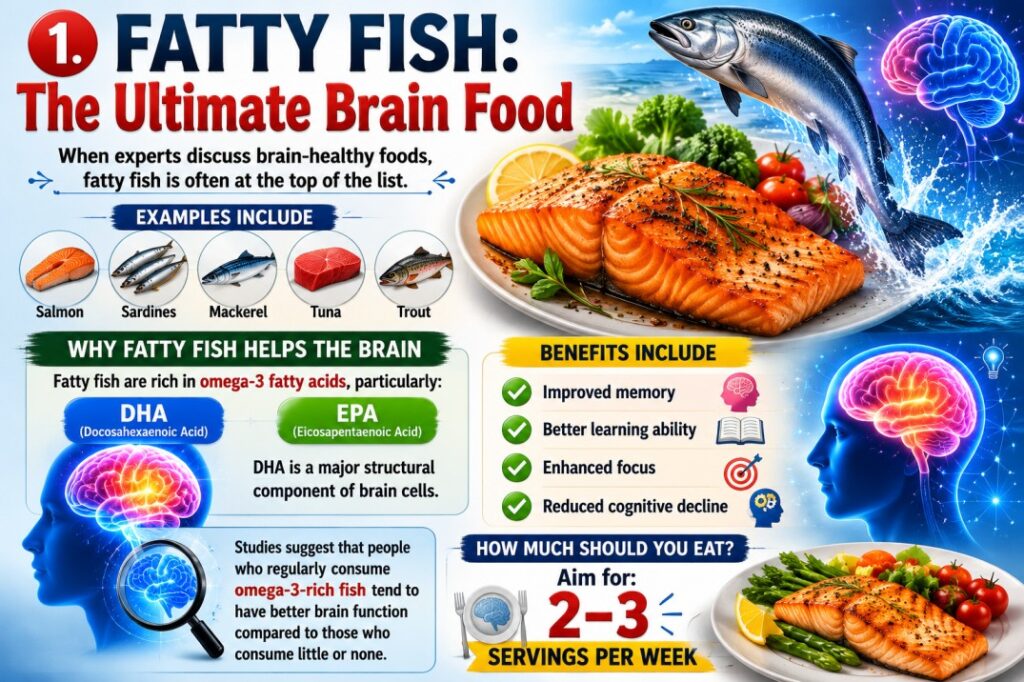
Why Fatty Fish Helps the Brain
Fatty fish are rich in omega-3 fatty acids, particularly:
- DHA (Docosahexaenoic Acid)
- EPA (Eicosapentaenoic Acid)
DHA is a major structural component of brain cells.
Benefits include:
- Improved memory
- Better learning ability
- Enhanced focus
- Reduced cognitive decline
Studies suggest that people who regularly consume omega-3-rich fish tend to have better brain function compared to those who consume little or none.
How Much Should You Eat?
Aim for:
2–3 servings per week.
2. Blueberries: Nature’s Brain Berries
Blueberries are often referred to as “brain berries” due to their impressive concentration of antioxidants.
Brain Benefits
Blueberries contain compounds called flavonoids that help:
- Improve memory
- Enhance learning
- Increase communication between brain cells
- Reduce oxidative stress
Oxidative stress contributes to brain aging and cognitive decline.
By neutralizing harmful free radicals, blueberries help protect brain tissue.
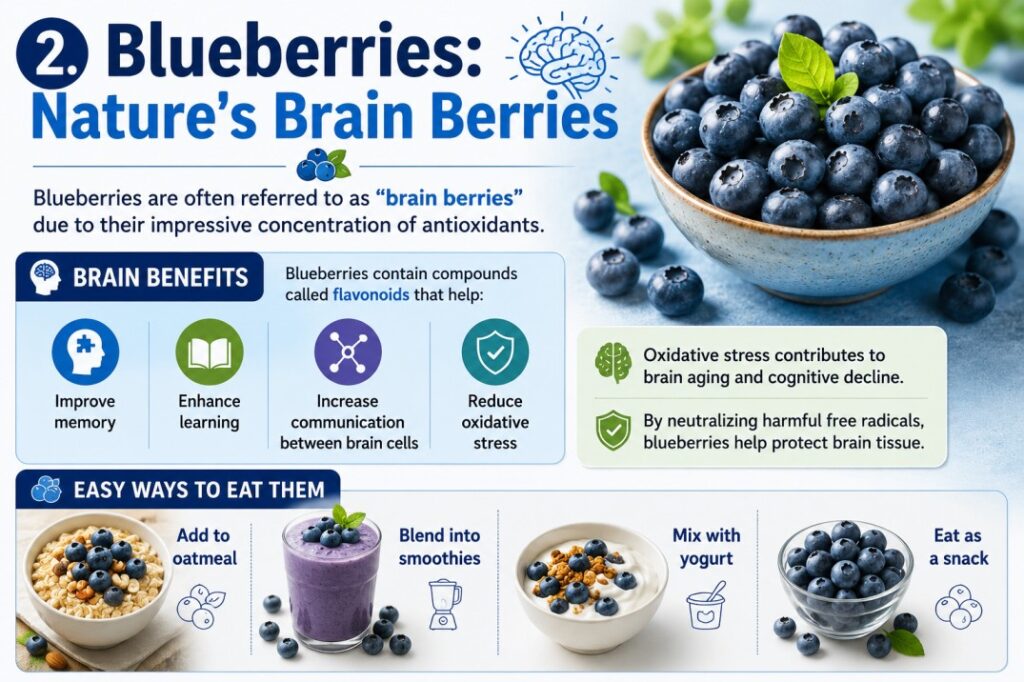
Easy Ways to Eat Them
- Add to oatmeal
- Blend into smoothies
- Mix with yogurt
- Eat as a snack
3. Eggs: A Nutrient Powerhouse
Eggs are among the most nutrient-dense foods available.
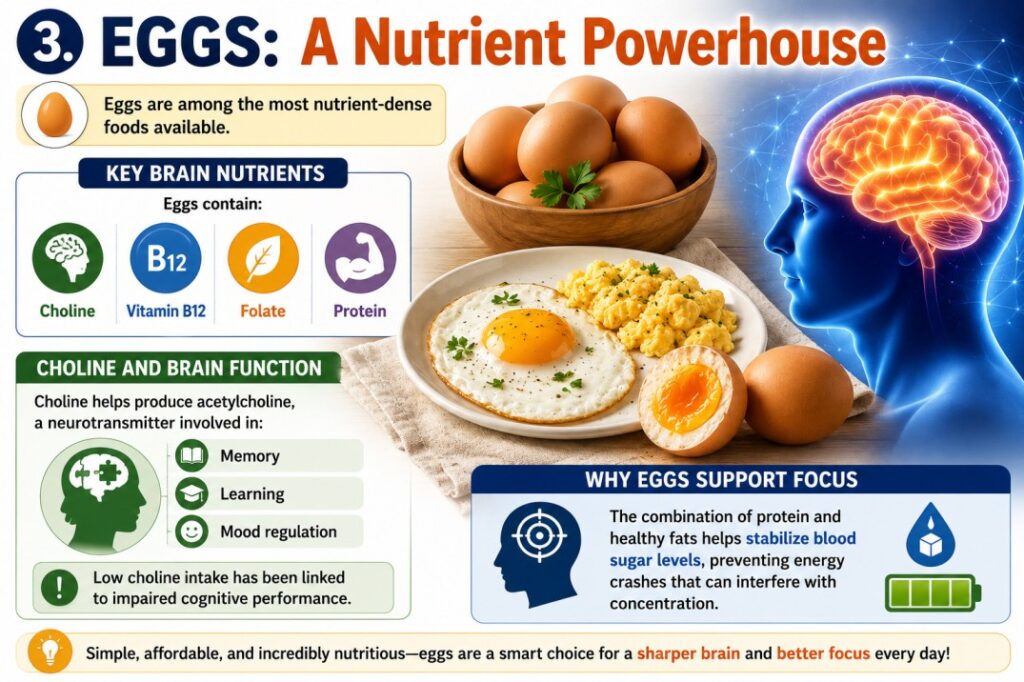
Key Brain Nutrients
Eggs contain:
- Choline
- Vitamin B12
- Folate
- Protein
Choline and Brain Function
Choline helps produce acetylcholine, a neurotransmitter involved in:
- Memory
- Learning
- Mood regulation
Low choline intake has been linked to impaired cognitive performance.
Why Eggs Support Focus
The combination of protein and healthy fats helps stabilize blood sugar levels, preventing energy crashes that can interfere with concentration.
4. Walnuts: The Brain-Shaped Superfood
Walnuts even resemble the human brain.
While appearance doesn’t determine function, walnuts do offer impressive brain-supporting nutrients.
Nutritional Highlights
Walnuts provide:
- Omega-3 fatty acids
- Vitamin E
- Polyphenols
- Antioxidants
Benefits
Research suggests walnuts may help:
Protect against inflammation
Improve cognitive performance
Enhance memory
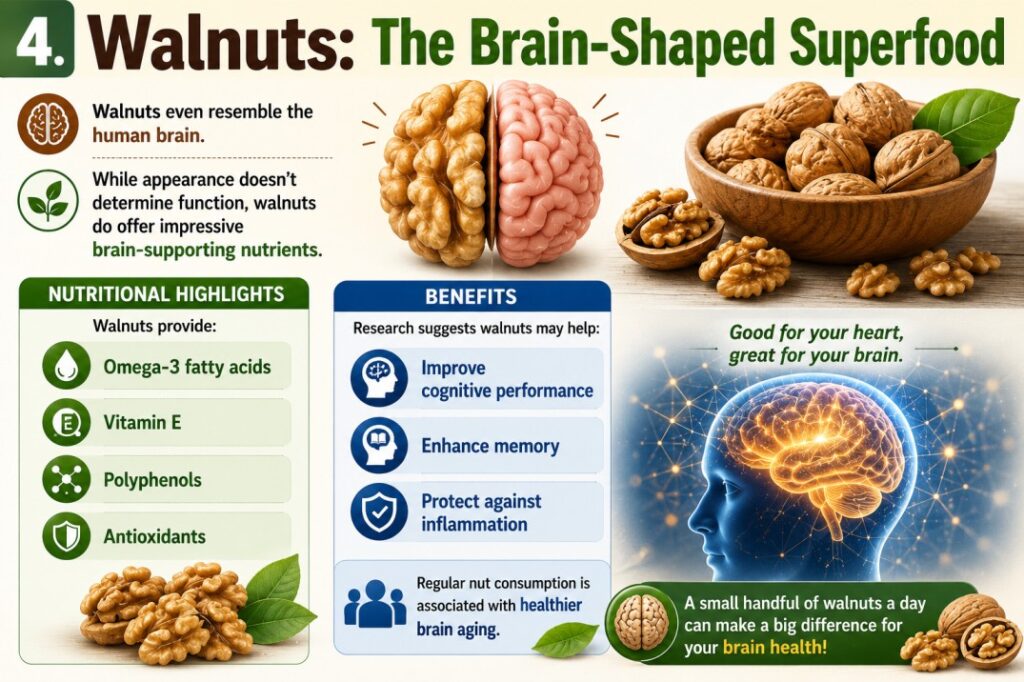
Regular nut consumption is associated with healthier brain aging.
5. Dark Chocolate
Good news for chocolate lovers.
Dark chocolate can support brain health when consumed in moderation.
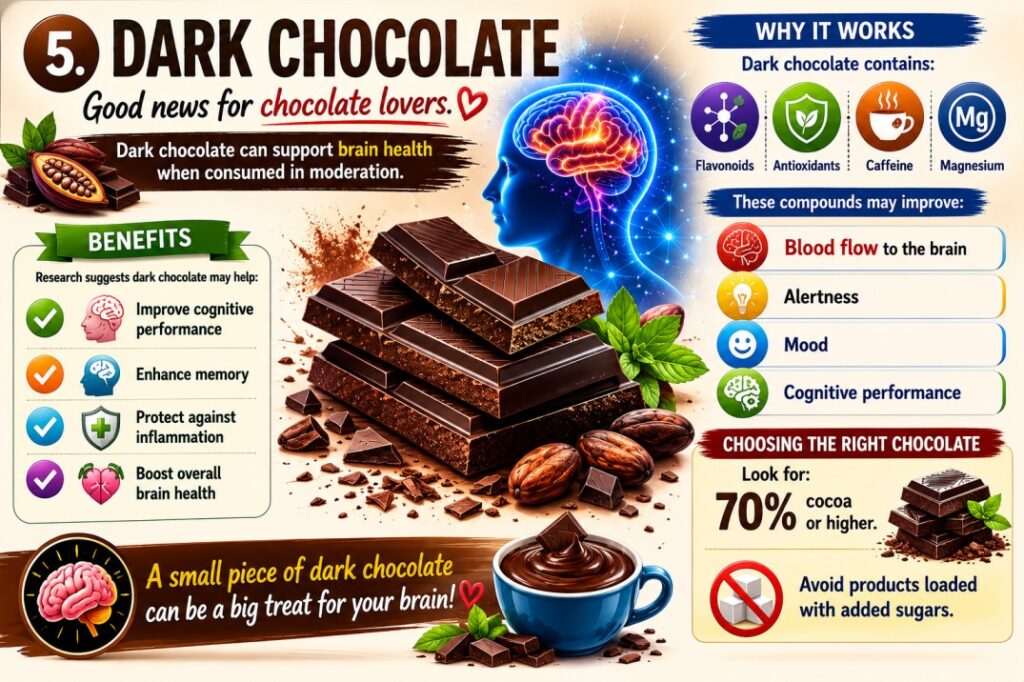
Why It Works
Dark chocolate contains:
- Flavonoids
- Antioxidants
- Caffeine
- Magnesium
These compounds may improve:
- Cognitive performance
- Blood flow to the brain
- Alertness
- Mood
Choosing the Right Chocolate
Look for:
70% cocoa or higher.
Avoid products loaded with added sugars.
6. Green Leafy Vegetables
Vegetables such as:
- Spinach
- Kale
- Swiss chard
- Broccoli
are rich in nutrients that support cognitive health.
Key Nutrients
They contain:
- Vitamin K
- Folate
- Lutein
- Beta-carotene
Brain Benefits
Research suggests these nutrients may help:
- Protect neurons
- Slow cognitive decline
- Improve memory
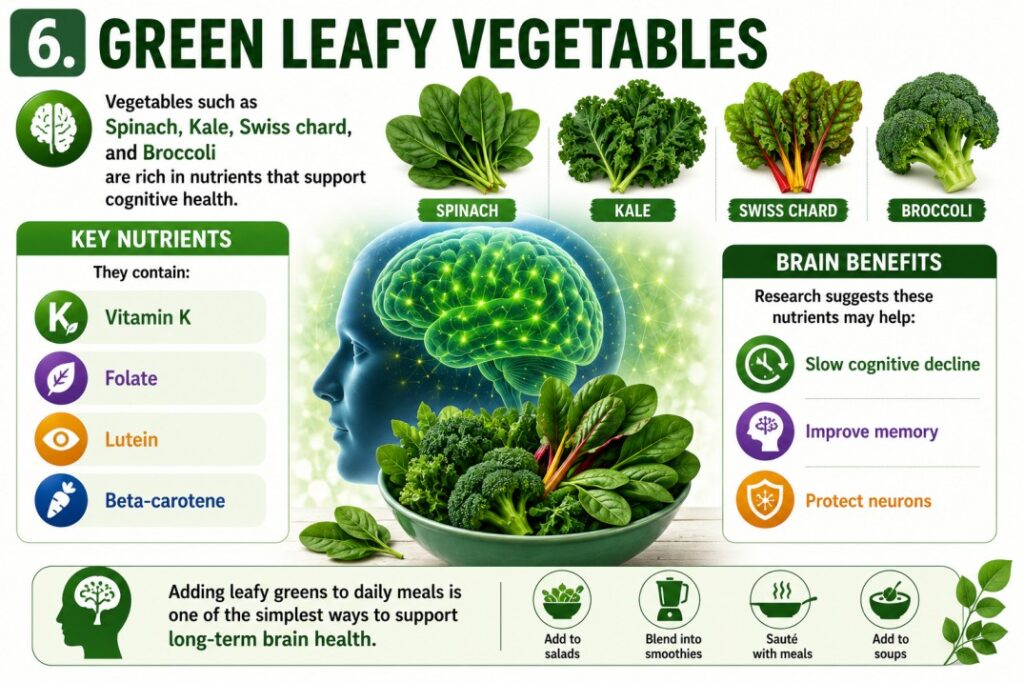
Adding leafy greens to daily meals is one of the simplest ways to support long-term brain health.
7. Avocados
Avocados are loaded with healthy monounsaturated fats.
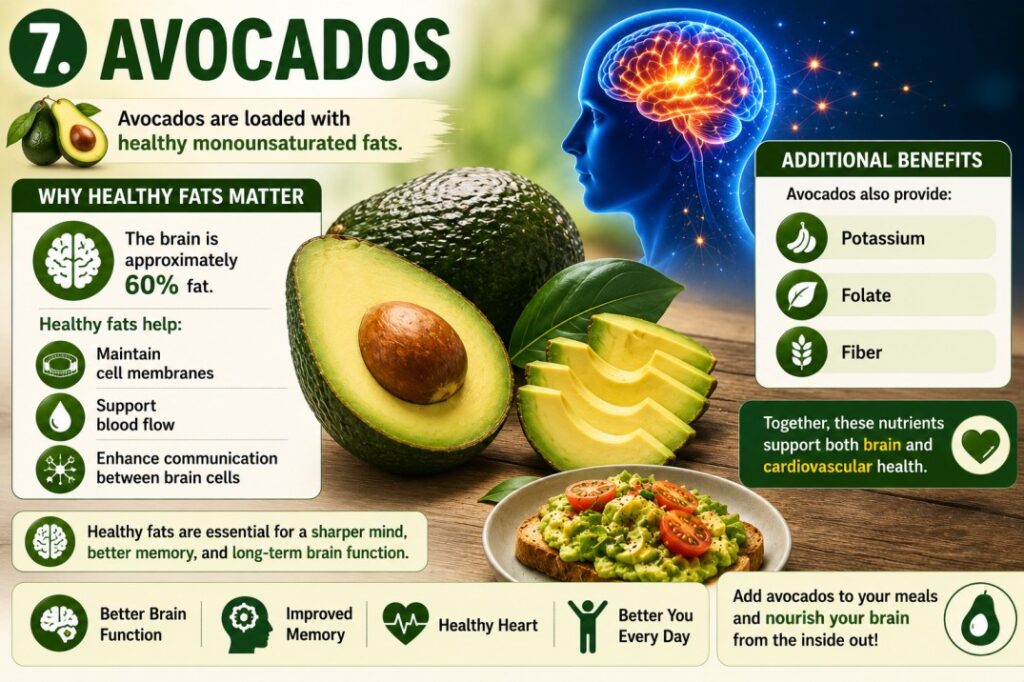
Why Healthy Fats Matter
The brain is approximately 60% fat.
Healthy fats help:
Enhance communication between brain cells
Maintain cell membranes
Support blood flow
Additional Benefits
Avocados also provide:
- Potassium
- Folate
- Fiber
Together, these nutrients support both brain and cardiovascular health.
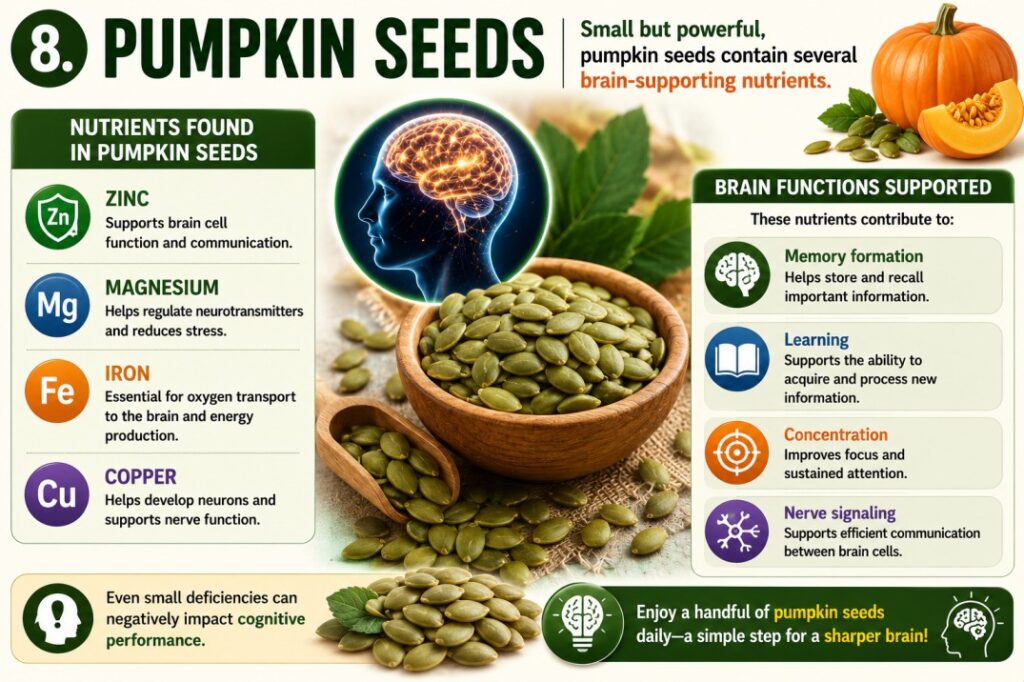
8. Pumpkin Seeds
Small but powerful, pumpkin seeds contain several brain-supporting nutrients.
Nutrients Found in Pumpkin Seeds
- Zinc
- Magnesium
- Iron
- Copper
Brain Functions Supported
These nutrients contribute to:
- Memory formation
- Learning
- Concentration
- Nerve signaling
Even small deficiencies can negatively impact cognitive performance.
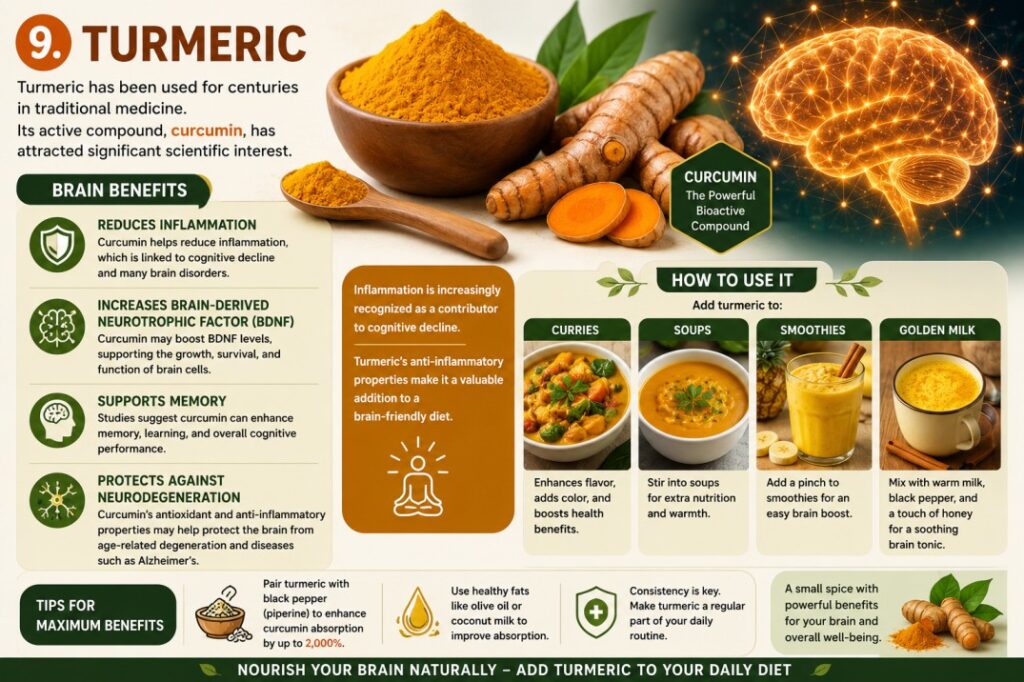
9. Turmeric
Turmeric has been used for centuries in traditional medicine.
Its active compound, curcumin, has attracted significant scientific interest.
Brain Benefits
Curcumin may:
- Reduce inflammation
- Increase brain-derived neurotrophic factor (BDNF)
- Support memory
- Protect against neurodegeneration
Inflammation is increasingly recognized as a contributor to cognitive decline.
Turmeric’s anti-inflammatory properties make it a valuable addition to a brain-friendly diet.
How to Use It
Add turmeric to:
- Curries
- Soups
- Smoothies
- Golden milk
10. Green Tea
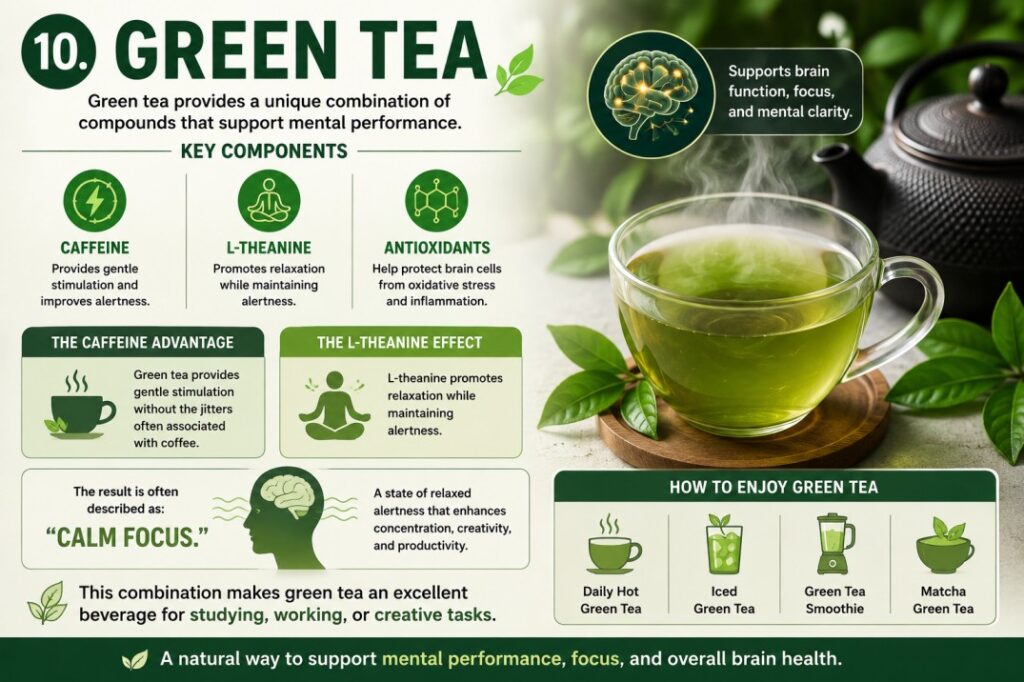
Green tea provides a unique combination of compounds that support mental performance.
Key Components
- Caffeine
- L-theanine
- Antioxidants
The Caffeine Advantage
Green tea provides gentle stimulation without the jitters often associated with coffee.
The L-Theanine Effect
L-theanine promotes relaxation while maintaining alertness.
The result is often described as:
“Calm focus.”
This combination makes green tea an excellent beverage for studying, working, or creative tasks.
11. Oranges and Citrus Fruits
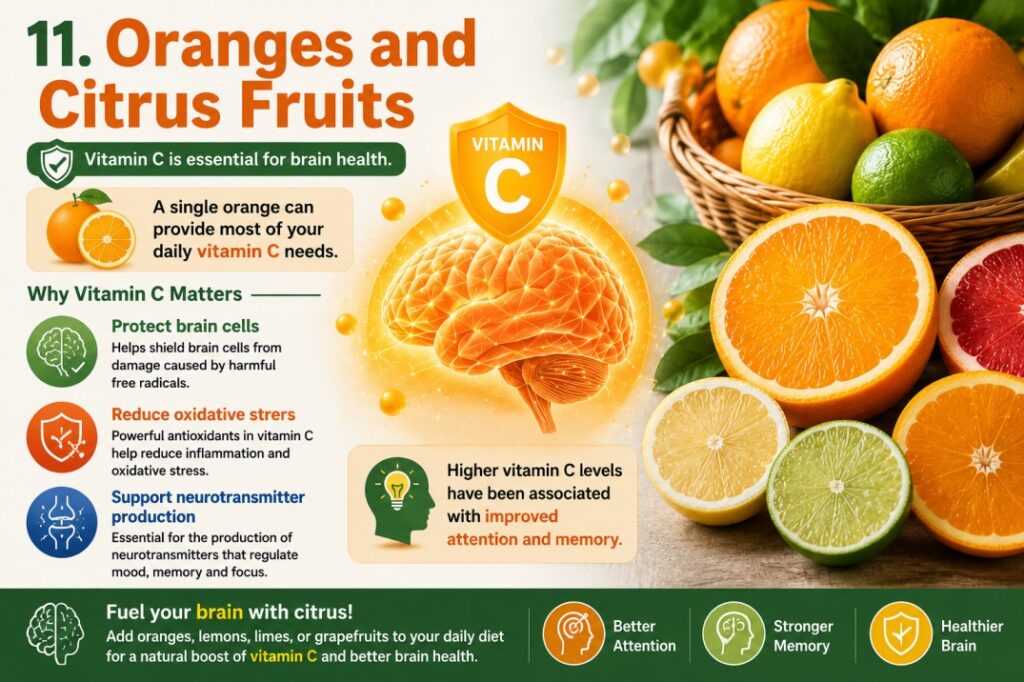
Vitamin C is essential for brain health.
A single orange can provide most of your daily vitamin C needs.
Why Vitamin C Matters
Vitamin C helps:
- Protect brain cells
- Reduce oxidative stress
- Support neurotransmitter production
Higher vitamin C levels have been associated with improved attention and memory.
12. Whole Grains
The brain requires a steady supply of energy.
Whole grains provide:
- Complex carbohydrates
- Fiber
- B vitamins
This supports:
- Stable focus
- Sustained concentration
- Better mental endurance
Examples include:
- Whole wheat
- Oats
- Brown rice
- Quinoa
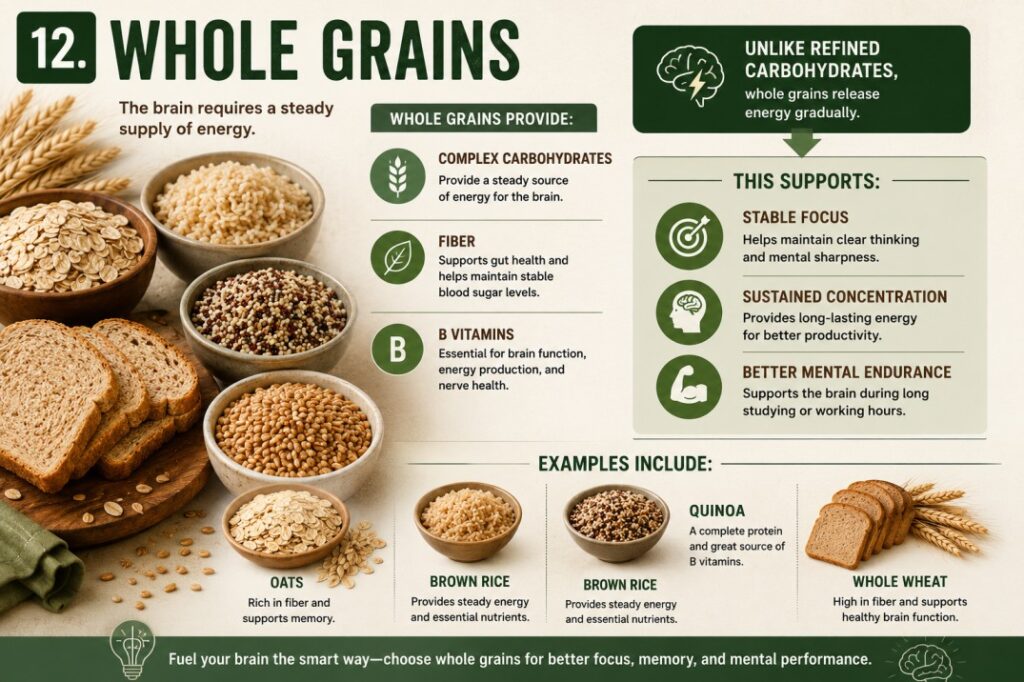
Unlike refined carbohydrates, whole grains release energy gradually.
Foods That Harm Brain Performance
Just as some foods support the brain, others can impair it.
Limiting the following may improve cognitive performance:
Sugary Foods
Excess sugar consumption has been linked to:
- Memory issues
- Brain fog
- Increased inflammation
Highly Processed Foods
These often contain:
- Excess sodium
- Artificial ingredients
- Unhealthy fats
Excessive Alcohol
Heavy alcohol consumption can negatively affect:
- Memory
- Decision-making
- Learning ability
Trans Fats
Trans fats may contribute to:
- Inflammation
- Poor cognitive performance
- Increased risk of neurological disorders
The Importance of Hydration
Food is only part of the equation.
Even mild dehydration can impair:
- Focus
- Memory
- Mood
- Mental performance
The brain relies heavily on adequate hydration to function properly.
Aim to drink water consistently throughout the day.
Conclusion
Improving brain power naturally doesn’t require expensive supplements or extreme diets.
The most effective strategy is consistently consuming nutrient-rich foods that support cognitive health.
Fatty fish, blueberries, eggs, walnuts, leafy greens, avocados, pumpkin seeds, turmeric, green tea, citrus fruits, and whole grains all provide nutrients that nourish the brain and enhance mental performance.
Combined with quality sleep, regular exercise, stress management, and adequate hydration, these foods can help improve memory, concentration, learning ability, and long-term brain health.
Your brain works for you every second of every day.
Feeding it the right nutrients is one of the smartest investments you can make in your health, productivity, and future.
Frequently Asked Questions (FAQs)
1. Can food really improve brain power?
Yes. The brain requires specific nutrients to function optimally. Foods rich in omega-3 fatty acids, antioxidants, vitamins, minerals, and healthy fats can support memory, focus, learning, and overall cognitive performance.
2. What is the best food for brain health?
Fatty fish such as salmon, sardines, and mackerel are often considered among the best brain foods because they are rich in omega-3 fatty acids, which are essential for brain structure and function.
3. Which foods improve memory naturally?
Several foods may support memory, including:
- Blueberries
- Fatty fish
- Eggs
- Walnuts
- Green leafy vegetables
- Pumpkin seeds
- Dark chocolate
4. How do omega-3 fatty acids benefit the brain?
Omega-3 fatty acids, particularly DHA and EPA, help build brain cell membranes, support communication between neurons, reduce inflammation, and may improve memory and learning abilities.
5. Are blueberries really good for the brain?
Yes. Blueberries contain antioxidants called flavonoids that may improve memory, enhance communication between brain cells, and protect against age-related cognitive decline.
6. Why are eggs considered brain food?
Eggs are rich in choline, a nutrient that helps produce acetylcholine, a neurotransmitter involved in memory, learning, and mood regulation.
7. Can dark chocolate improve concentration?
Dark chocolate contains flavonoids, caffeine, and antioxidants that may increase blood flow to the brain, improve alertness, and support cognitive performance when consumed in moderation.
8. How do leafy green vegetables support brain health?
Leafy greens such as spinach and kale provide vitamin K, folate, lutein, and antioxidants that may help protect brain cells and slow cognitive decline.
9. Is coffee good for brain function?
Coffee can improve alertness, concentration, and reaction time due to its caffeine content. However, excessive consumption may lead to anxiety, sleep problems, and dependency.
10. What are the benefits of green tea for the brain?
Green tea contains caffeine and L-theanine, a combination that promotes calm focus, improves attention, and may enhance cognitive performance.
11. Are nuts beneficial for brain health?
Yes. Nuts, especially walnuts, contain healthy fats, antioxidants, vitamin E, and omega-3 fatty acids that may support memory and long-term brain health.
12. Can turmeric improve brain function?
Turmeric contains curcumin, a compound with anti-inflammatory and antioxidant properties that may support memory, learning, and overall cognitive health.
13. What role does hydration play in brain performance?
Even mild dehydration can negatively affect concentration, memory, mood, and mental clarity. Drinking enough water throughout the day is essential for optimal brain function.
14. Which vitamins are important for brain health?
Key vitamins include:
- Vitamin B6
- Vitamin B12
- Folate (Vitamin B9)
- Vitamin C
- Vitamin D
- Vitamin E
These nutrients support nerve function, neurotransmitter production, and cognitive performance.
15. Can poor nutrition affect concentration?
Yes. Diets high in processed foods, sugar, and unhealthy fats may contribute to brain fog, poor concentration, mood swings, and reduced mental performance.
16. Are there foods that help students study better?
Brain-friendly foods for students include:
- Eggs
- Oats
- Blueberries
- Nuts
- Fatty fish
- Yogurt
- Green tea
- Dark chocolate
These foods provide steady energy and support focus.
17. Can brain foods prevent Alzheimer’s disease?
No single food can prevent Alzheimer’s disease. However, a healthy diet rich in fruits, vegetables, healthy fats, and whole foods may help reduce the risk of cognitive decline and support healthy aging.
18. How quickly can brain-healthy foods improve cognition?
Some foods, such as caffeine-containing beverages, may have immediate effects on alertness. Long-term cognitive benefits generally result from consistent healthy eating habits over weeks, months, and years.
19. What is the best breakfast for brain power?
A brain-healthy breakfast might include:
- Eggs
- Oatmeal
- Greek yogurt
- Berries
- Nuts and seeds
- Whole-grain toast
This combination provides protein, healthy fats, fiber, and sustained energy.
20. Are supplements better than food for brain health?
In most cases, whole foods are the preferred source of nutrients because they provide a combination of vitamins, minerals, antioxidants, and fiber that supplements cannot fully replicate.
21. What foods should I avoid for better brain function?
Limit:
- Sugary drinks
- Highly processed foods
- Trans fats
- Excessive alcohol
- Foods high in refined carbohydrates
These may negatively impact memory, focus, and overall brain health.
22. Can healthy fats improve brain performance?
Yes. Healthy fats from sources such as fish, avocados, olive oil, nuts, and seeds help maintain brain cell structure and support communication between neurons.
23. How does blood sugar affect brain function?
Stable blood sugar levels help maintain concentration and energy. Frequent spikes and crashes caused by sugary foods can contribute to brain fog and fatigue.
24. Is the Mediterranean diet good for brain health?
Yes. The Mediterranean diet emphasizes fish, fruits, vegetables, olive oil, nuts, legumes, and whole grains, all of which are associated with improved cognitive function and healthier brain aging.
25. What is the most important takeaway about brain foods?
The most important takeaway is that long-term brain health depends on consistent healthy eating patterns. A diet rich in whole foods, healthy fats, antioxidants, vitamins, and minerals can help support memory, focus, learning, and overall cognitive performance throughout life.
References
Books and Brain Health Literature
- Gomez-Pinilla, F. (2008). Brain Foods: The Effects of Nutrients on Brain Function. Nature Reviews Neuroscience.
- Mosconi, L. (2018). Brain Food: The Surprising Science of Eating for Cognitive Power. Avery.
- Perlmutter, D., & Loberg, K. (2013). Grain Brain: The Surprising Truth About Wheat, Carbs, and Sugar—Your Brain’s Silent Killers. Little, Brown and Company.
- Ratey, J. J. (2008). Spark: The Revolutionary New Science of Exercise and the Brain. Little, Brown Spark.
- Walker, M. (2017). Why We Sleep: Unlocking the Power of Sleep and Dreams. Scribner.
- Amen, D. G. (2013). Change Your Brain, Change Your Life. Harmony Books.
Scientific Journals and Research
- Nature Reviews Neuroscience. Research on nutrition, brain plasticity, and cognitive function.
- Nutrients. Studies on dietary patterns, omega-3 fatty acids, antioxidants, and brain health.
- The American Journal of Clinical Nutrition. Research on nutrition and cognitive performance.
- Frontiers in Aging Neuroscience. Studies on aging, memory, and neuroprotection.
- Journal of Alzheimer’s Disease. Research on diet and prevention of cognitive decline.
- Neurology. Studies on nutrition and long-term brain health outcomes.
- Brain Research Bulletin. Research on nutrients that influence learning and memory.
- Nutritional Neuroscience. Studies on food, cognition, mood, and mental performance.
Health and Nutrition Organizations
- World Health Organization (WHO) Healthy Diet Resources
- National Institutes of Health (NIH) Nutrition and Brain Health Information
- Harvard T.H. Chan School of Public Health – The Nutrition Source
- Academy of Nutrition and Dietetics
- Mayo Clinic Nutrition and Wellness Resources
- Cleveland Clinic Brain Health Resources