
Introduction
Tuberculosis (TB) is one of the world’s oldest and most persistent infectious diseases. Despite remarkable advances in medicine, TB continues to affect millions of people globally each year. Caused by the bacterium Mycobacterium tuberculosis, the disease primarily attacks the lungs but can also affect other parts of the body, including the kidneys, spine, and brain.
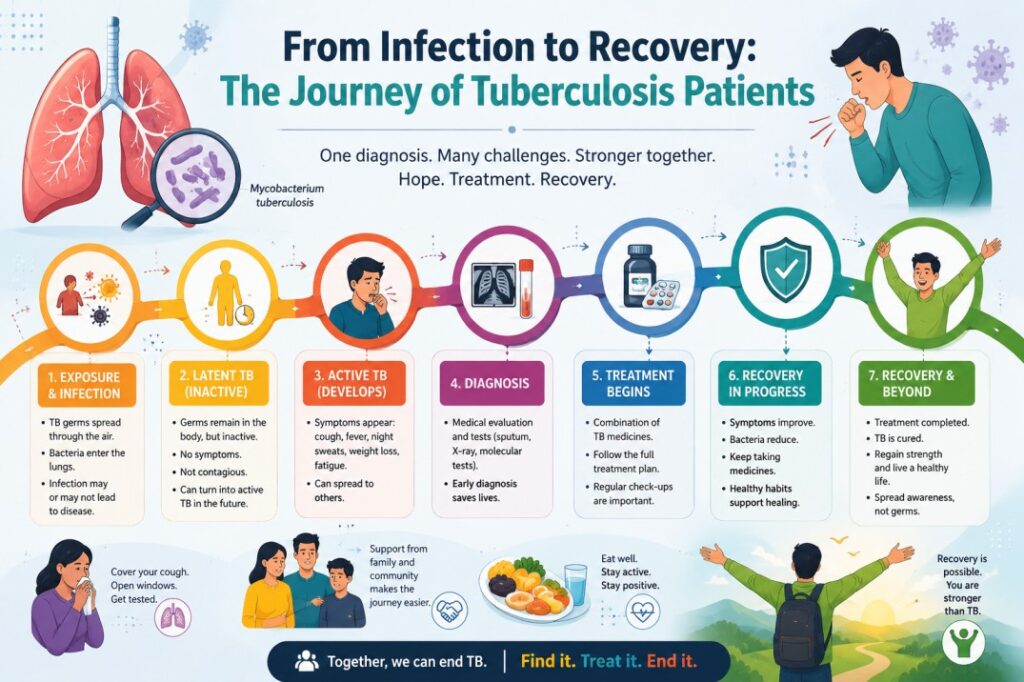
For many patients, tuberculosis is more than just a medical diagnosis. It is a journey filled with uncertainty, physical discomfort, emotional challenges, and social stigma. However, with timely diagnosis, proper treatment, and continuous support, recovery is possible. Understanding the patient journey—from infection to complete recovery—can help raise awareness, encourage early diagnosis, and inspire those currently battling the disease.
This article explores the stages of tuberculosis, from how infection occurs to the challenges of treatment and the path toward recovery.
Understanding Tuberculosis
Tuberculosis is an airborne infectious disease. It spreads when a person with active pulmonary TB coughs, sneezes, laughs, or speaks, releasing tiny droplets containing TB bacteria into the air. People nearby may inhale these bacteria and become infected.
However, infection does not always mean disease. There are two main forms of tuberculosis:
Latent TB Infection
In latent TB, the bacteria remain inactive within the body. Individuals do not experience symptoms and cannot spread the disease to others. However, the bacteria may become active later, especially if the immune system becomes weakened.
Active TB Disease
When the immune system cannot contain the bacteria, they multiply and cause active disease. Patients develop symptoms and can transmit the infection to others if the lungs are affected.
Understanding this distinction is important because many individuals carry latent TB without realizing it, while active TB requires immediate medical treatment.
The Beginning: Exposure and Infection
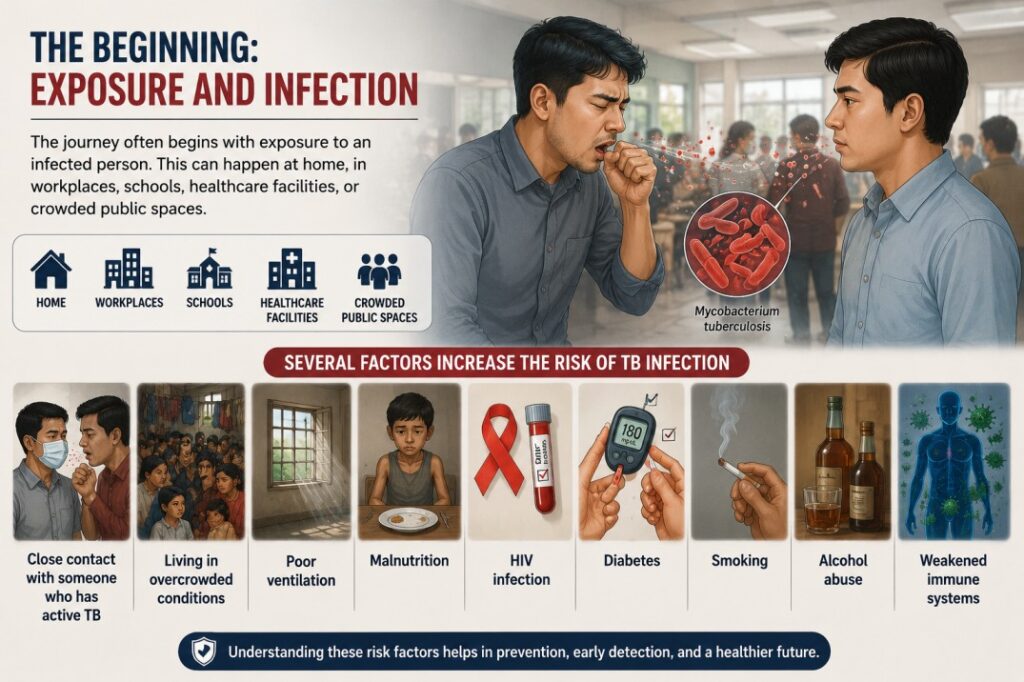
The journey often begins with exposure to an infected person. This can happen at home, in workplaces, schools, healthcare facilities, or crowded public spaces.
Several factors increase the risk of TB infection:
- Close contact with someone who has active TB
- Living in overcrowded conditions
- Poor ventilation
- Malnutrition
- HIV infection
- Diabetes
- Smoking
- Alcohol abuse
- Weakened immune systems
Once inhaled, TB bacteria travel into the lungs. The immune system immediately attempts to fight the infection. In many cases, the body’s defenses successfully contain the bacteria, resulting in latent TB infection.
For others, especially individuals with weakened immunity, the bacteria continue multiplying and eventually lead to active disease.
Recognizing the Symptoms
One of the biggest challenges with tuberculosis is that symptoms often develop gradually. Many patients initially mistake the signs for a common cold, flu, or seasonal illness.
Common symptoms of active pulmonary TB include:
- Persistent cough lasting more than two weeks
- Chest pain
- Coughing up blood or sputum
- Fever
- Night sweats
- Fatigue
- Loss of appetite
- Unexplained weight loss
Some patients experience symptoms for months before seeking medical attention. During this time, the disease may continue spreading to family members and close contacts.
For extrapulmonary TB, symptoms vary depending on the affected organ. For example:
- Spine TB may cause back pain.
- Brain TB may cause headaches and neurological symptoms.
- Lymph node TB may cause swollen glands.
Early recognition of symptoms is crucial because prompt treatment significantly improves outcomes.
The Diagnosis Journey
Receiving a tuberculosis diagnosis can be overwhelming. Many patients feel anxious, confused, or fearful after hearing the diagnosis. However, accurate diagnosis is the first step toward recovery.
Healthcare providers use several methods to confirm TB:
Medical History and Physical Examination
Doctors assess symptoms, risk factors, travel history, and potential exposure to infected individuals.
Chest X-Ray
Chest imaging helps identify abnormalities associated with pulmonary TB.
Sputum Testing
Patients provide sputum samples, which are analyzed for TB bacteria.
Molecular Testing
Modern diagnostic tools can rapidly detect TB bacteria and identify drug-resistant strains.
Skin and Blood Tests
These tests help identify latent TB infection.
Once TB is confirmed, healthcare professionals determine whether the disease is drug-sensitive or drug-resistant. This information guides treatment decisions.
Emotional Impact of Diagnosis
The emotional burden of tuberculosis is often underestimated.
Many patients experience:
- Fear about their future
- Anxiety about infecting loved ones
- Social isolation
- Depression
- Shame due to stigma
In some communities, misconceptions about TB can lead to discrimination. Patients may hide their diagnosis because they fear judgment from friends, neighbors, or employers.
Emotional support from healthcare workers, family members, and support groups plays a vital role in helping patients cope with these challenges.
Starting Treatment
The good news is that tuberculosis is generally curable with appropriate treatment.
Most patients begin treatment immediately after diagnosis. Standard treatment for drug-sensitive TB involves a combination of antibiotics taken over several months.
Common treatment goals include:
- Eliminating TB bacteria
- Preventing disease progression
- Stopping transmission
- Preventing drug resistance
Because TB bacteria grow slowly, treatment must continue for an extended period. Even when symptoms improve, bacteria may still be present in the body.
Patients are encouraged to follow their treatment plans carefully and attend regular follow-up appointments.
The First Few Weeks of Treatment
The initial weeks of treatment often bring noticeable improvement.
Patients may experience:
- Reduced coughing
- Improved energy levels
- Better appetite
- Decreased fever
- Weight gain
Many individuals feel significantly better after a few weeks and may mistakenly believe they are fully cured.
This is one of the most dangerous phases of treatment because stopping medication prematurely can allow surviving bacteria to multiply again.
Healthcare providers emphasize the importance of completing the entire treatment course, even when symptoms disappear.
Challenges During Treatment
Although TB treatment is highly effective, patients may encounter various obstacles.
Medication Side Effects
Some patients experience:
- Nausea
- Stomach discomfort
- Fatigue
- Skin reactions
- Joint pain
- Liver-related complications
Healthcare teams monitor patients regularly and adjust treatment when necessary.
Financial Difficulties
Long-term treatment can affect employment and income. Transportation costs, missed workdays, and medical expenses may create financial strain.
Social Isolation
Patients may temporarily reduce social interactions to avoid transmitting the disease. This isolation can contribute to loneliness and emotional distress.
Treatment Fatigue
Taking multiple medications daily for months can become exhausting. Patients sometimes struggle to maintain motivation throughout the treatment period.
Support systems are essential in helping individuals overcome these challenges.
The Threat of Drug-Resistant Tuberculosis
Drug-resistant TB develops when bacteria become resistant to one or more TB medications.
This often occurs because of:
- Incomplete treatment
- Incorrect medication use
- Poor treatment adherence
- Delayed diagnosis
Drug-resistant TB requires longer, more complex treatment regimens and may involve stronger medications with additional side effects.
The rise of multidrug-resistant tuberculosis (MDR-TB) highlights the importance of proper treatment adherence and public health efforts to control the disease.
The Role of Family and Community Support
Recovery from tuberculosis is not solely a medical process. Emotional and practical support can significantly improve treatment success.
Families can help by:
- Encouraging medication adherence
- Providing emotional reassurance
- Assisting with daily activities
- Supporting healthy nutrition
- Accompanying patients to appointments
Communities can contribute by reducing stigma and promoting accurate information about TB.
When patients feel supported rather than judged, they are more likely to complete treatment successfully.
Nutrition and Recovery
Nutrition plays a crucial role in strengthening the immune system and supporting recovery.
Many TB patients experience weight loss and nutritional deficiencies.
Healthcare professionals often recommend:
- Protein-rich foods
- Fruits and vegetables
- Whole grains
- Healthy fats
- Adequate hydration
Important nutrients include:
- Vitamin A
- Vitamin C
- Vitamin D
- Zinc
- Iron
While nutrition alone cannot cure TB, it helps the body recover more effectively and regain strength during treatment.
Monitoring Progress
Throughout treatment, healthcare providers monitor patient progress using:
Follow-Up Examinations
Regular assessments help evaluate symptom improvement.
Laboratory Testing
Repeated sputum tests confirm that bacteria are being eliminated.
Imaging Studies
Chest X-rays may be used to monitor lung healing.
Medication Reviews
Doctors assess side effects and ensure proper adherence.
These follow-up visits provide opportunities to address concerns and reinforce treatment compliance.
Reaching Recovery
After months of consistent treatment, most patients achieve recovery.
Signs of successful recovery include:
- Resolution of symptoms
- Negative laboratory tests
- Improved physical health
- Weight restoration
- Increased energy levels
Completing treatment is a major milestone. Patients often describe feelings of relief, gratitude, and renewed hope.
However, recovery does not always mean an immediate return to normal life. Some individuals continue rebuilding their strength and confidence for several months.
Life After Tuberculosis
Many patients go on to live healthy, productive lives after treatment.
Nevertheless, some may experience long-term effects, including:
- Reduced lung function
- Chronic respiratory symptoms
- Fatigue
- Psychological stress
Follow-up care helps identify and manage any lingering complications.
Former TB patients often become advocates for awareness and education, using their experiences to help others seek early diagnosis and treatment.
Preventing Future Cases
Preventing tuberculosis requires a combination of individual and public health efforts.
Key prevention strategies include:
Early Detection
Prompt diagnosis reduces transmission and improves outcomes.
Treatment of Latent TB
Treating latent infection prevents future active disease.
Vaccination
The BCG vaccine provides protection against severe forms of TB in children.
Infection Control
Good ventilation, respiratory hygiene, and screening programs reduce transmission risks.
Addressing Social Determinants
Improving nutrition, housing, and healthcare access helps reduce TB incidence worldwide.
Conclusion
The journey of a tuberculosis patient is often challenging, beginning with infection and progressing through diagnosis, treatment, and recovery. Along the way, patients face physical symptoms, emotional struggles, social stigma, and treatment-related challenges. Yet tuberculosis is a disease that can be successfully treated and cured when diagnosed early and managed properly.
Recovery is not merely about eliminating bacteria from the body. It involves rebuilding physical health, restoring emotional well-being, and regaining confidence in daily life. Families, healthcare providers, communities, and policymakers all play essential roles in supporting patients throughout this journey.
As awareness grows and healthcare systems continue improving access to diagnosis and treatment, millions more people can move from infection to recovery. Every successful recovery story demonstrates that tuberculosis, despite its challenges, is a disease that can be overcome with knowledge, commitment, and support.
Frequently Asked Questions (FAQs): From Infection to Recovery – The Journey of Tuberculosis Patients
1. What is tuberculosis (TB)?
Tuberculosis (TB) is an infectious disease caused by the bacterium Mycobacterium tuberculosis. It primarily affects the lungs but can also impact other parts of the body, such as the brain, kidneys, spine, and lymph nodes.
2. How does tuberculosis spread?
TB spreads through the air when a person with active pulmonary TB coughs, sneezes, speaks, or laughs. Tiny droplets containing TB bacteria can be inhaled by people nearby.
3. Can a person be infected with TB without being sick?
Yes. This condition is known as latent TB infection. The bacteria remain inactive in the body, causing no symptoms and posing no risk of transmission. However, latent TB can develop into active TB later if the immune system becomes weakened.
4. What are the early symptoms of tuberculosis?
Common symptoms include:
- Persistent cough lasting more than two weeks
- Fever
- Night sweats
- Fatigue
- Weight loss
- Loss of appetite
- Chest pain
- Coughing up blood
5. Who is most at risk of developing TB?
People at higher risk include:
- Individuals with weakened immune systems
- People living with HIV/AIDS
- Smokers
- People with diabetes
- Those living in crowded conditions
- Healthcare workers exposed to TB patients
- Individuals with poor nutrition
6. How is tuberculosis diagnosed?
Doctors may use:
- Physical examination
- Medical history review
- Chest X-rays
- Sputum tests
- Blood tests
- Molecular diagnostic tests
These tests help confirm TB and determine the most effective treatment.
7. Is tuberculosis curable?
Yes. Most cases of TB can be successfully cured with proper treatment and adherence to prescribed medications.
8. How long does TB treatment take?
Drug-sensitive TB treatment typically lasts 6 to 9 months. Drug-resistant TB may require treatment for 12 months or longer, depending on the severity and resistance pattern.
9. Why is it important to complete the full course of treatment?
Stopping treatment early can allow surviving bacteria to multiply, causing the disease to return and potentially become drug-resistant, making treatment more difficult.
10. What medications are used to treat tuberculosis?
TB is usually treated with a combination of antibiotics prescribed by healthcare professionals. The specific medications depend on the type and severity of TB.
11. What are the common side effects of TB medications?
Possible side effects include:
- Nausea
- Vomiting
- Fatigue
- Loss of appetite
- Skin rashes
- Joint pain
- Liver-related issues
Patients should report any unusual symptoms to their healthcare provider.
12. Can TB patients continue working or attending school?
This depends on the stage of the disease and medical advice. Many patients can resume normal activities once treatment begins and they are no longer considered infectious.
13. Is tuberculosis contagious throughout the entire treatment period?
Not usually. Many patients become significantly less contagious after a few weeks of effective treatment, but they should follow their doctor’s recommendations regarding isolation and precautions.
14. What is multidrug-resistant tuberculosis (MDR-TB)?
MDR-TB is a form of tuberculosis that does not respond to the two most powerful first-line TB drugs. It requires longer and more complex treatment.
15. How does nutrition help during TB recovery?
A healthy diet supports the immune system, helps restore lost weight, and improves overall recovery. Protein-rich foods, fruits, vegetables, and adequate hydration are especially important.
16. Can TB affect mental health?
Yes. Many patients experience anxiety, depression, fear, and social isolation during diagnosis and treatment. Emotional support and counseling can play an important role in recovery.
17. What role does family support play in TB recovery?
Family support helps patients stay motivated, adhere to treatment schedules, attend medical appointments, and cope with emotional challenges.
18. Can tuberculosis come back after treatment?
Although successful treatment greatly reduces the risk, TB can return if a person is reinfected or if treatment was not fully completed. Regular follow-up care helps monitor long-term health.
19. Is there a vaccine for tuberculosis?
Yes. The BCG vaccine is commonly given in many countries and helps protect children from severe forms of TB. However, it does not provide complete protection against all forms of tuberculosis.
20. How can tuberculosis be prevented?
TB prevention strategies include:
- Early diagnosis and treatment
- Good ventilation in indoor spaces
- Covering the mouth when coughing or sneezing
- Screening high-risk individuals
- Treating latent TB infection
- Maintaining a healthy immune system
21. What does recovery from tuberculosis look like?
Recovery typically involves:
- Elimination of TB bacteria
- Improvement in symptoms
- Weight gain and restored strength
- Better lung function
- Return to normal daily activities
The recovery process may continue even after treatment is completed.
22. Can recovered TB patients live a normal life?
Yes. Most people who complete treatment successfully can return to healthy, productive lives. Ongoing healthy habits and medical follow-up can help maintain long-term wellness.
23. What should I do if I think I have TB symptoms?
Seek medical attention as soon as possible. Early diagnosis and treatment improve recovery outcomes and help prevent the spread of the disease to others.
24. Why is raising awareness about tuberculosis important?
Awareness helps reduce stigma, encourages early diagnosis, promotes treatment adherence, and supports global efforts to eliminate tuberculosis as a public health threat.
25. What is the key message of the TB recovery journey?
Tuberculosis is a serious but curable disease. With early detection, proper treatment, strong support systems, and patient commitment, individuals can successfully move from infection to recovery and regain a healthy,
References
- World Health Organization. (2025). Tuberculosis fact sheet. World Health Organization. Retrieved from https://www.who.int/news-room/fact-sheets/detail/tuberculosis
- Centers for Disease Control and Prevention. (2025). How TB spreads. Centers for Disease Control and Prevention. Retrieved from https://www.cdc.gov/tb/about/how-tb-spreads.html
- Centers for Disease Control and Prevention. (2025). Risk factors for tuberculosis. Centers for Disease Control and Prevention. Retrieved from https://www.cdc.gov/tb/risk-factors
- National Institute of Allergy and Infectious Diseases. (2024). Tuberculosis (TB). National Institutes of Health. Retrieved from https://www.niaid.nih.gov/diseases-conditions/tuberculosis-tb
- World Health Organization. (2024). Global tuberculosis report 2024. World Health Organization. Retrieved from https://www.who.int/teams/global-tuberculosis-programme/tb-reports
- Murray & Nadel’s Textbook of Respiratory Medicine. (2022). Elsevier. Chapter: Tuberculosis and Nontuberculous Mycobacterial Infections.
- Harrison’s Principles of Internal Medicine. (2022). McGraw-Hill Education. Chapter: Tuberculosis.
- The Lancet Respiratory Medicine. (2024). Tuberculosis transmission, risk factors, and prevention strategies. The Lancet Respiratory Medicine.