
Introduction
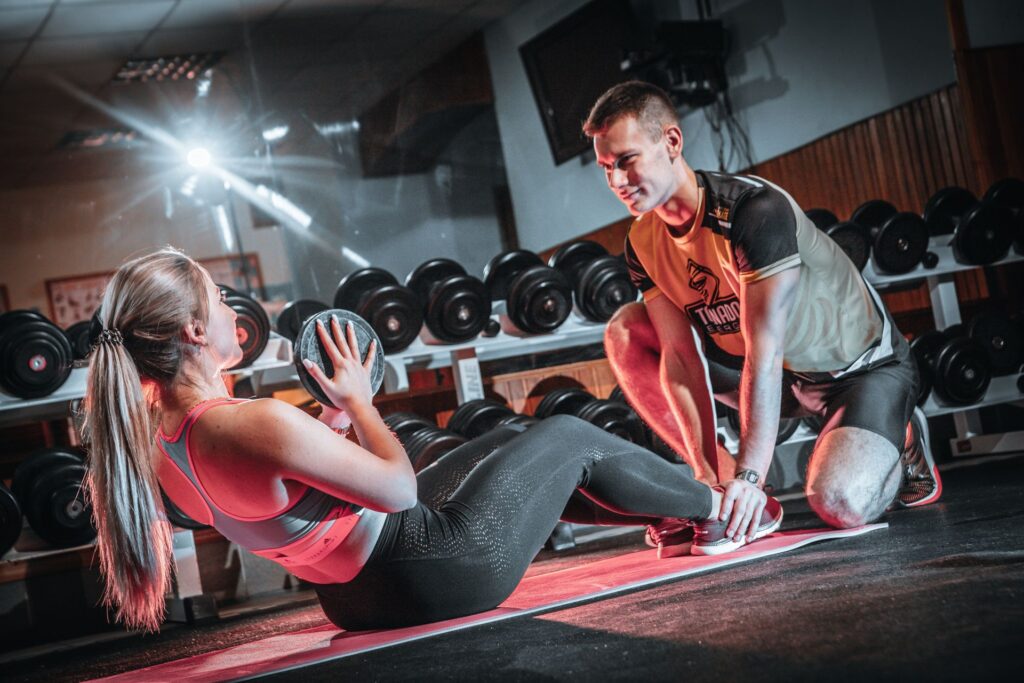
Imagine waking up every morning with more energy, feeling stronger with each passing day, and noticing positive changes in your body and mindset after just one month. It sounds ambitious, but for millions of people worldwide, a 30-day fitness challenge has become the catalyst for life-changing transformation.
Fitness challenges have exploded in popularity because they offer something many long-term fitness plans fail to provide: a clear starting point, measurable goals, and a manageable timeline. While achieving a complete body transformation in just 30 days may not be realistic, developing life-changing habits certainly is.
The beauty of a 30-day challenge lies in its simplicity. Anyone can commit to 30 days. Whether you’re a busy professional, a student, a parent, or someone who has never exercised consistently before, a month-long challenge provides the perfect opportunity to reset your health and establish sustainable habits.
Throughout this article, we’ll explore the most effective 30-day fitness challenges that have helped people lose weight, gain strength, improve mental health, increase energy levels, and completely transform their lifestyles.
Why 30 Days Can Change Your Life
Many people underestimate the power of consistency. While one workout won’t transform your body, repeating positive actions daily for a month can create remarkable changes.
The Science of Habit Formation
Research suggests that habits begin forming through repeated actions. A 30-day challenge provides enough time to establish routines that become easier to maintain over time.
When you commit to exercising daily, several things happen:
- Your brain adapts to the new routine.
- Physical activity becomes less mentally demanding.
- Motivation gradually transforms into discipline.
- Healthy choices become more automatic.
This shift from relying on motivation to relying on habits is often the biggest transformation participants experience.
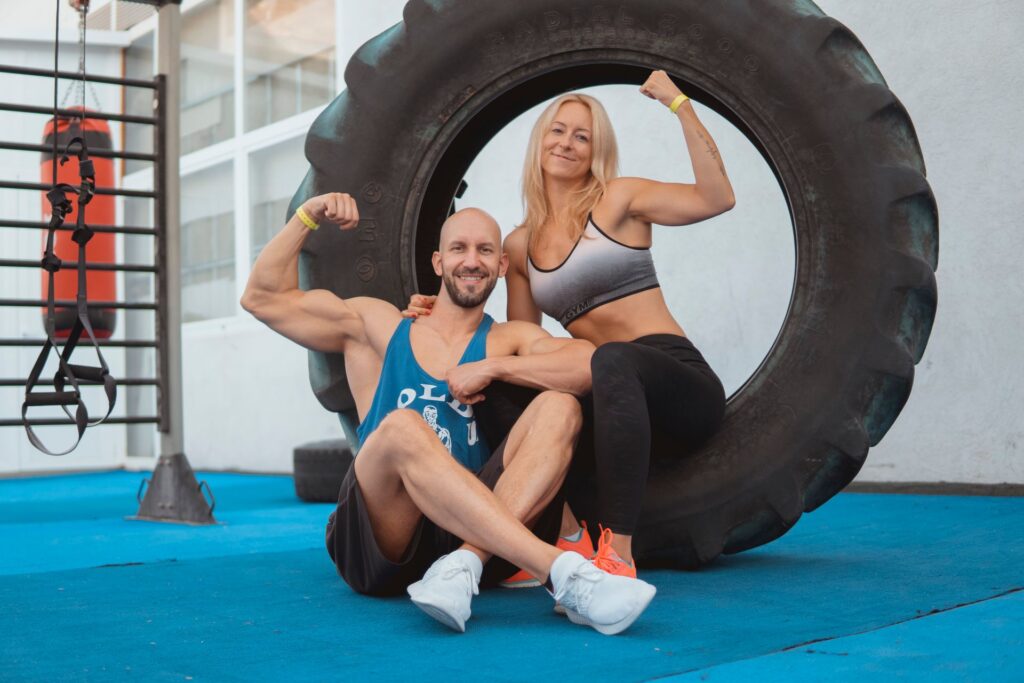
Physical Benefits
Within 30 days, participants often notice:
- Increased stamina
- Improved muscle tone
- Better posture
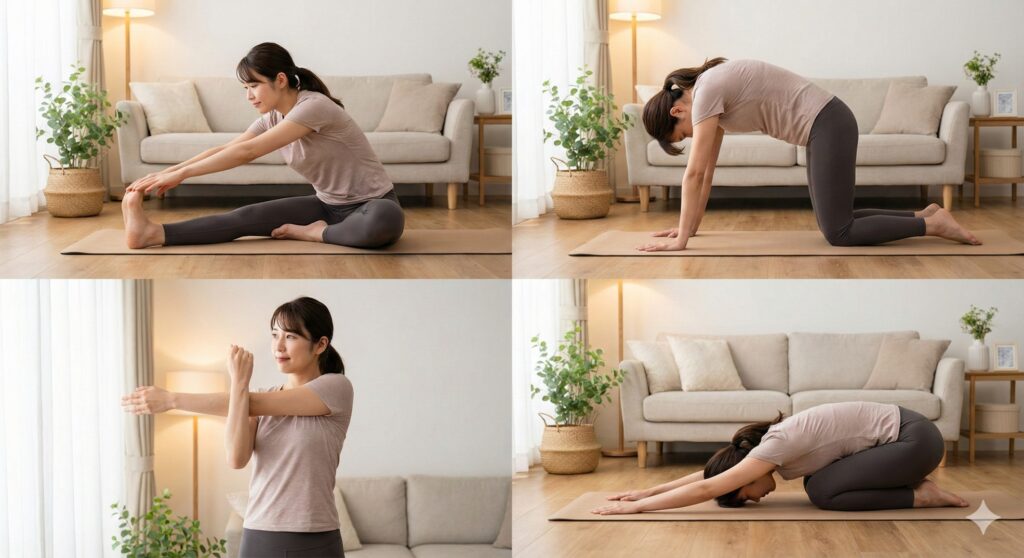
- Enhanced flexibility
- Improved sleep quality
- Reduced stress levels
- Greater confidence
Even if the scale doesn’t show dramatic changes, improvements in strength, endurance, and mental wellbeing are often significant.
The Walking Challenge That Changed Thousands of Lives
Challenge Overview
Goal: Walk 10,000 steps every day for 30 days.
Walking remains one of the most underrated forms of exercise. Unlike intense workout programs that may intimidate beginners, walking is accessible to nearly everyone.
Why It Works
Walking:
- Burns calories
- Improves cardiovascular health
- Reduces stress
- Enhances mood
- Supports weight management
Many people who completed this challenge reported losing between 2 and 8 pounds, depending on diet and starting fitness levels.
Real-Life Transformation
Participants frequently report unexpected benefits:
- More energy during work hours
- Better sleep quality
- Reduced anxiety
- Improved focus and productivity
What begins as a fitness challenge often evolves into a permanent lifestyle habit.
The 30-Day Push-Up Challenge
Challenge Structure
Day 1: 5 Push-Ups
Gradually increase repetitions until Day 30.
Why Push-Ups Matter
Push-ups target multiple muscle groups simultaneously:
- Chest
- Shoulders
- Arms
- Core
- Back
This makes them one of the most efficient bodyweight exercises available.
Physical Results
After 30 days, many participants experience:
- Improved upper body strength
- Better posture
- Increased muscle definition
- Greater athletic performance
The challenge is especially appealing because it requires no equipment and can be completed anywhere.
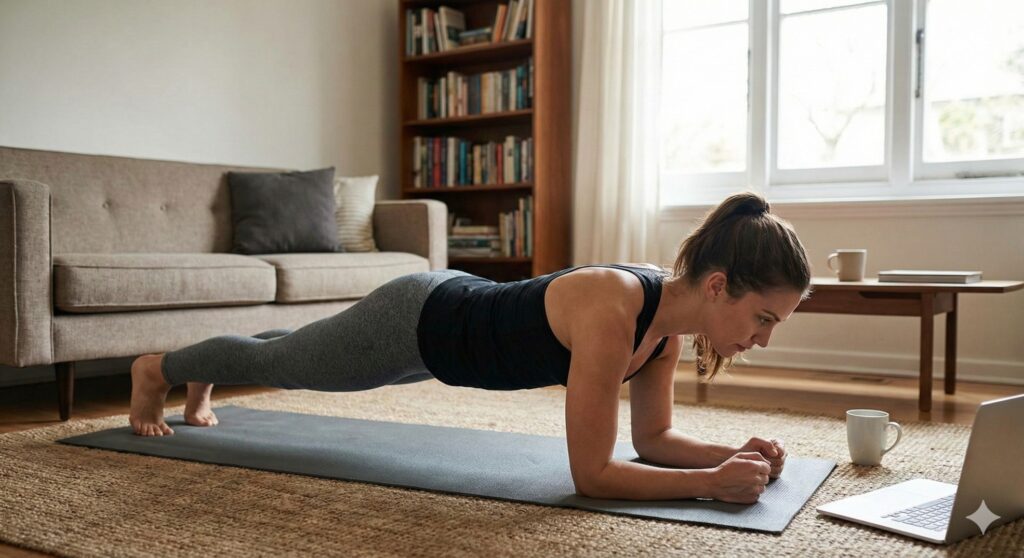
The Plank Challenge
Challenge Overview
Start with a 20-second plank and gradually increase duration over 30 days.
Benefits
Planks strengthen:
- Core muscles
- Lower back
- Shoulders
- Glutes
A strong core improves nearly every movement you perform daily.
Life-Changing Results
Participants commonly report:
- Reduced back pain
- Better posture
- Increased stability
- Enhanced athletic performance
Many discover that a stronger core improves confidence and overall body awareness.
The 30-Day Running Challenge
Challenge Goal
Run consistently for 30 days.
Beginners might start with:
- 10 minutes per day
- Walk-run intervals
- Short distances
Advanced runners can increase intensity and mileage.
Mental Transformation
Running is often described as a form of moving meditation.
Benefits include:
- Stress reduction
- Improved mood
- Increased mental clarity
- Enhanced resilience
Many participants report that the mental benefits exceed the physical changes.
Physical Changes
Within 30 days, runners frequently experience:
- Better cardiovascular fitness
- Weight loss
- Increased endurance
- Improved lung capacity
The No-Sugar Challenge
Challenge Rules
Eliminate added sugars for 30 days.
This includes:
- Soft drinks
- Candy
- Processed snacks
- Sugary desserts
Why It Works
Excess sugar contributes to:
- Weight gain
- Energy crashes
- Inflammation
- Increased cravings
Removing it often leads to rapid improvements.
Results Participants Notice
Within weeks, many experience:
- Stable energy levels
- Better sleep
- Reduced cravings
- Weight loss
- Improved skin appearance
The challenge highlights how nutrition can dramatically affect overall wellbeing.
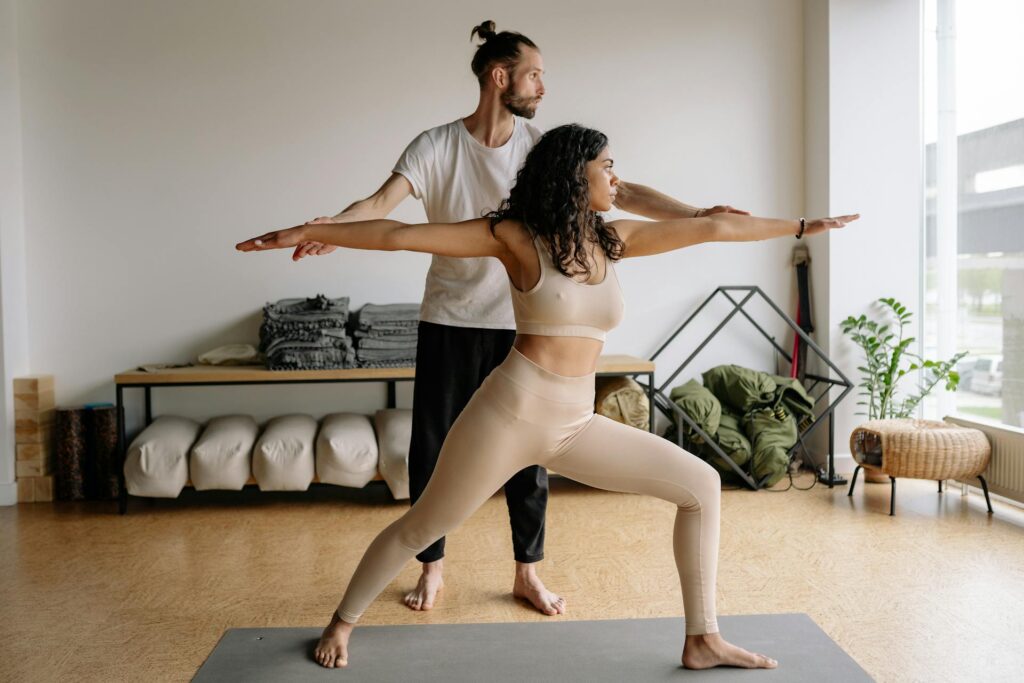
The Daily Yoga Challenge
Commitment
Practice yoga for at least 20 minutes every day.
Benefits Beyond Flexibility
Yoga improves:
- Mobility
- Balance
- Mental health
- Breathing patterns
- Stress management
Transformation Stories
Participants frequently report:
- Reduced anxiety
- Better focus
- Increased flexibility
- Improved emotional regulation
For many, yoga becomes more than exercise—it becomes a daily self-care practice.
The Bodyweight Challenge
Program Components
Daily exercises may include:
- Squats
- Push-ups
- Lunges
- Planks
- Mountain climbers
Advantages
Bodyweight training:
- Requires no gym membership
- Can be done anywhere
- Builds functional strength
- Improves mobility
Results
After 30 days, participants often notice:
- Increased strength
- Better endurance
- Visible muscle tone
- Improved confidence
The accessibility of bodyweight training makes it one of the most successful challenge formats.
The Squat Challenge
Structure
Begin with a manageable number of squats and gradually increase volume.
Benefits
Squats strengthen:
- Glutes
- Quadriceps
- Hamstrings
- Core
They also improve everyday movements such as standing, lifting, and climbing stairs.
Success Stories
Many participants report:
- Stronger legs
- Improved athletic performance
- Better posture
- Increased lower-body definition
The challenge is simple yet highly effective.
The Hydration Challenge
Goal
Drink the recommended amount of water daily for 30 days.
Why It Matters
Hydration affects:
- Energy levels
- Digestion
- Skin health
- Physical performance
- Mental clarity
Common Results
Participants often experience:
- Better concentration
- Improved digestion
- Reduced fatigue
- Healthier skin
Although simple, this challenge often creates surprisingly significant improvements.
The Morning Workout Challenge
Challenge Description
Complete a workout every morning for 30 consecutive days.
Benefits
Morning exercise can:
- Boost energy
- Improve consistency
- Enhance productivity
- Strengthen discipline
Long-Term Impact
Many participants discover that exercising early eliminates excuses and creates momentum for healthier daily decisions.
The challenge often leads to permanent routine changes that continue long after the 30 days are complete.
The Mental Side of Fitness Challenges
Physical transformations are exciting, but the most profound changes often occur mentally.
Participants frequently develop:
- Greater self-confidence
- Improved discipline
- Better stress management
- Increased resilience
- Stronger self-belief
Completing a challenge proves that goals can be achieved through consistent effort.
This mindset frequently spills into other areas of life, including careers, relationships, finances, and personal development.
Common Mistakes People Make
While 30-day challenges can be transformative, certain mistakes limit results.
Setting Unrealistic Expectations
Many expect dramatic transformations in just one month.
The reality:
30 days is enough to build momentum, not necessarily achieve perfection.
Doing Too Much Too Soon
Starting with excessive intensity often leads to burnout or injury.
Consistency beats intensity.
Ignoring Recovery
Recovery is essential for progress.
Include:
- Quality sleep
- Stretching
- Hydration
- Proper nutrition
Focusing Only on Weight
Success should also be measured by:
- Strength gains
- Energy levels
- Improved habits
- Better mental health
These indicators often matter more than a number on the scale.
Frequently Asked Questions (FAQs)
1. What is a 30-day fitness challenge?
A 30-day fitness challenge is a structured health and exercise program designed to help individuals improve their physical fitness, build healthy habits, and achieve specific goals through daily actions over a one-month period.
2. Can a 30-day fitness challenge really transform your body?
Yes. While major transformations vary depending on factors such as starting fitness level, nutrition, and consistency, many people experience noticeable improvements in strength, endurance, energy, body composition, and overall wellbeing within 30 days.
3. Is 30 days enough to build a fitness habit?
Thirty days is often enough to establish the foundation of a healthy habit. Consistently exercising, eating nutritious foods, and following a routine for a month can make those behaviors easier to maintain long-term.
4. What are the benefits of participating in a fitness challenge?
Benefits may include:
- Increased energy levels
- Improved strength and endurance
- Better sleep quality
- Enhanced confidence
- Reduced stress
- Weight loss or fat loss
- Improved mental health
- Greater self-discipline
5. Which 30-day fitness challenge is best for beginners?
Beginner-friendly options include:
- Walking challenges
- Yoga challenges
- Stretching challenges
- Hydration challenges
- Basic bodyweight workout programs
These challenges are easy to follow and require minimal equipment.
6. How much weight can I lose in 30 days?
Weight loss varies based on diet, activity level, metabolism, and consistency. Many people lose between 2 and 10 pounds during a balanced 30-day fitness challenge, though individual results differ.
7. Do I need a gym membership to complete a fitness challenge?
No. Many challenges rely on bodyweight exercises such as squats, push-ups, lunges, planks, and walking, making them effective without a gym membership.
8. How important is nutrition during a fitness challenge?
Nutrition is extremely important. A healthy diet supports energy levels, muscle recovery, fat loss, and overall performance. Exercise and nutrition work best when combined.
9. What should I eat during a 30-day fitness challenge?
Focus on:
- Lean proteins
- Fruits and vegetables
- Whole grains
- Healthy fats
- Plenty of water
Limit highly processed foods, sugary beverages, and excessive junk food.
10. How much water should I drink during a fitness challenge?
Hydration needs vary, but most adults benefit from drinking enough water throughout the day to stay hydrated. Active individuals may require additional fluids based on exercise intensity and climate.
11. Can a fitness challenge improve mental health?
Yes. Regular exercise can reduce stress, improve mood, boost confidence, and help manage symptoms of anxiety and depression.
12. What if I miss a workout day?
Missing a single day is not a failure. Simply resume your challenge the next day and focus on consistency over perfection.
13. How can I stay motivated throughout the challenge?
You can maintain motivation by:
- Tracking progress
- Setting realistic goals
- Taking progress photos
- Working out with a friend
- Celebrating small milestones
- Remembering your reasons for starting
14. Why do some people fail fitness challenges?
Common reasons include:
- Unrealistic expectations
- Lack of planning
- Inconsistent effort
- Overtraining
- Poor nutrition
- Giving up after minor setbacks
15. What are the best exercises for a 30-day challenge?
Popular exercises include:
- Walking
- Push-ups
- Squats
- Lunges
- Planks
- Running
- Yoga
- Cycling
- Jump rope workouts
16. How important is sleep during a fitness challenge?
Sleep is essential. It supports muscle recovery, hormone regulation, energy production, and overall physical performance.
17. Can I build muscle in 30 days?
Beginners may experience noticeable strength gains and some muscle development within 30 days, especially when combining resistance training with adequate protein intake.
18. Will I see visible results after 30 days?
Many participants notice:
- Improved muscle tone
- Better posture
- Increased energy
- Reduced bloating
- Enhanced fitness levels
Visible results depend on individual circumstances and consistency.
19. What is the best challenge for weight loss?
Walking challenges, running programs, full-body workouts, and nutrition-focused challenges are among the most effective options for supporting weight loss goals.
20. What is the best challenge for building strength?
Strength-focused challenges often include:
- Push-up challenges
- Squat challenges
- Plank challenges
- Resistance training programs
- Bodyweight strength routines
21. How can I prevent injuries during a fitness challenge?
To reduce injury risk:
- Warm up properly
- Use correct exercise form
- Increase intensity gradually
- Stay hydrated
- Prioritize recovery
- Listen to your body
22. Are fitness challenges suitable for older adults?
Yes. Fitness challenges can be adapted for all ages. Walking, stretching, yoga, and low-impact strength exercises are particularly beneficial for older adults.
23. How do I measure success beyond weight loss?
Success can be measured through:
- Increased strength
- Better endurance
- Improved flexibility
- Enhanced mood
- Better sleep
- Greater confidence
- Consistent healthy habits
24. What happens after the 30-day challenge ends?
The most successful participants continue the healthy habits they developed during the challenge. The goal is to turn temporary actions into long-term lifestyle changes.
25. What is the biggest lesson from successful 30-day transformations?
The biggest lesson is that lasting change comes from consistency, not perfection. Small daily improvements, repeated over time, can create remarkable physical and mental transformations.
26. Can fitness challenges improve self-confidence?
Absolutely. Completing a challenge demonstrates commitment, discipline, and resilience, which often leads to increased self-esteem and confidence.
27. How can I create my own 30-day fitness challenge?
Start by:
- Defining a clear goal.
- Choosing simple daily actions.
- Tracking progress.
- Planning for obstacles.
- Staying consistent for 30 days.
28. Are home workouts effective for a 30-day challenge?
Yes. Home workouts can be highly effective when performed consistently and combined with proper nutrition and recovery.
29. Why do experts recommend starting small?
Starting small increases the likelihood of success. Simple, achievable goals build momentum and reduce the risk of burnout or injury.
30. What’s the most important takeaway from a 30-day fitness challenge?
The most important takeaway is that meaningful transformation begins with daily action. Small, consistent efforts can improve your body, strengthen your mindset, and create habits that last a lifetime.
References
Books and Fitness Literature
- Clear, J. (2018). Atomic Habits: An Easy & Proven Way to Build Good Habits and Break Bad Ones. Avery.
- Duhigg, C. (2014). The Power of Habit: Why We Do What We Do in Life and Business. Random House.
- Ratey, J. J. (2008). Spark: The Revolutionary New Science of Exercise and the Brain. Little, Brown Spark.
- McGonigal, K. (2012). The Willpower Instinct: How Self-Control Works, Why It Matters, and What You Can Do to Get More of It. Avery.
- Matthews, M. (2019). Bigger Leaner Stronger: The Simple Science of Building the Ultimate Male Body. Legion Publishing.
- Matthews, M. (2018). Thinner Leaner Stronger: The Simple Science of Building the Ultimate Female Body. Legion Publishing.
- Murphy, M. (2014). The Body You Want in the Time You Have. HarperOne.
- Ferriss, T. (2010). The 4-Hour Body. Crown Publishing Group.
Scientific Research and Journals
- American College of Sports Medicine. (2024). ACSM’s Guidelines for Exercise Testing and Prescription.
- Journal of Strength and Conditioning Research. Studies on resistance training, muscle growth, and exercise adherence.
- Medicine & Science in Sports & Exercise. Research on physical activity, endurance, and health outcomes.
- British Journal of Sports Medicine. Studies on exercise, fitness, and disease prevention.
- International Journal of Behavioral Nutrition and Physical Activity. Research on habit formation and long-term behavior change.
- Journal of Physical Activity and Health. Studies on exercise benefits and lifestyle interventions.
- Sports Medicine Journal. Evidence-based reviews on fitness training and exercise science.
Health and Fitness Organizations
- World Health Organization (WHO) Physical Activity Guidelines
- American College of Sports Medicine (ACSM)
- Centers for Disease Control and Prevention (CDC) Physical Activity Resources
- National Institutes of Health (NIH) Health Information
- Harvard Health Publishing – Exercise and Fitness Resources
Nutrition and Wellness Resources
- Academy of Nutrition and Dietetics
- Mayo Clinic Fitness and Nutrition Resources
- National Sleep Foundation
- Johns Hopkins Medicine Wellness Resources
- Cleveland Clinic Health Library
Further Reading
- Atomic Habits by James Clear
- The Power of Habit by Charles Duhigg
- Spark by John J. Ratey
- The Willpower Instinct by Kelly McGonigal
- Bigger Leaner Stronger by Michael Matthews
Pingback: The Morning Habits of High Performers: How Successful People
Exactly! 💪 A healthy body supports a focused mind. That’s why exercise is often a non-negotiable part of successful people’s daily routines.
Pingback: Walking vs. Running: Which Burns More Fat