
Real-Life Success Stories: How 30 Days Sparked Lasting Change
One of the biggest reasons fitness challenges remain popular is that they produce real results for ordinary people. While everyone’s journey is different, common themes emerge from successful participants: consistency, commitment, and gradual improvement.
Sarah’s Story: From Sedentary Lifestyle to Active Living
Sarah, a 34-year-old office worker, spent most of her day sitting. Long work hours, family responsibilities, and lack of energy left little room for exercise.
After noticing increasing fatigue and weight gain, she committed to a simple 30-day walking challenge.
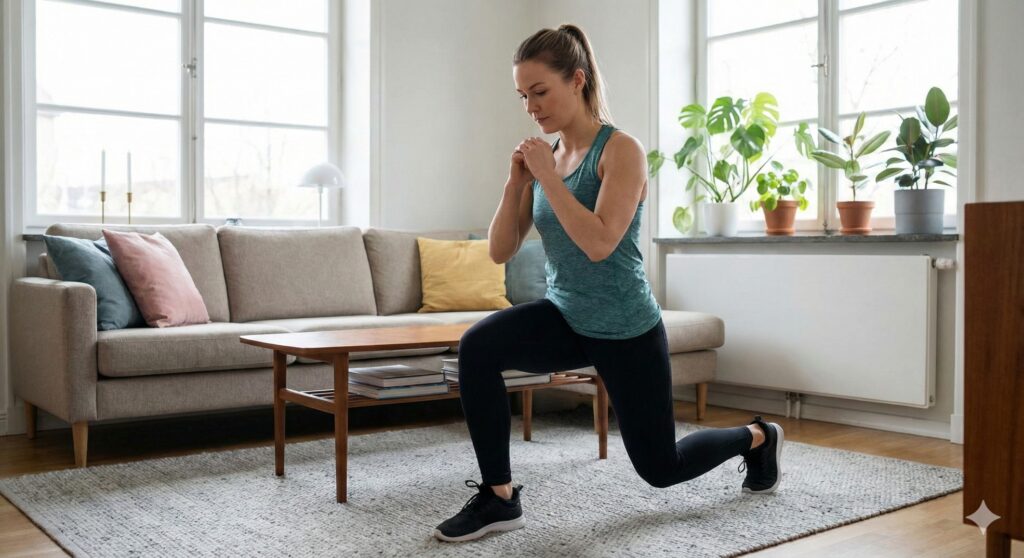
Her Plan
- Walk 30 minutes every day
- Drink 2 liters of water daily
- Reduce sugary beverages
- Track progress using a fitness app
Results After 30 Days
- Lost 5 pounds
- Improved energy levels
- Better sleep quality
- Reduced stress
More importantly, she continued walking long after the challenge ended. What began as a temporary goal became a permanent lifestyle change.
Michael’s Story: Rebuilding Confidence
Michael had previously enjoyed sports but stopped exercising after college.
Years later, he struggled with low confidence and poor fitness.
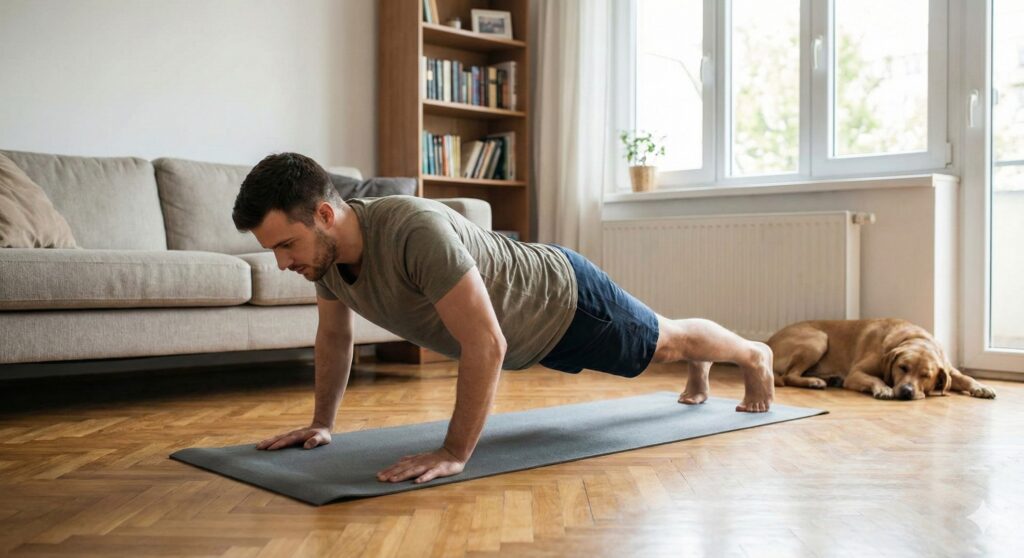
He chose a bodyweight challenge involving:
- Push-ups
- Squats
- Planks
- Daily stretching
At first, he could only perform a handful of push-ups.
By Day 30:
- Push-ups increased from 8 to 35
- Plank time increased from 20 seconds to 2 minutes
- Energy levels dramatically improved
The biggest change wasn’t physical—it was mental. Completing the challenge reminded him that progress comes from consistency.
Priya’s Story: Managing Stress Through Fitness
Priya worked in a high-pressure corporate environment.
Constant deadlines led to:
- Anxiety
- Poor sleep
- Emotional eating
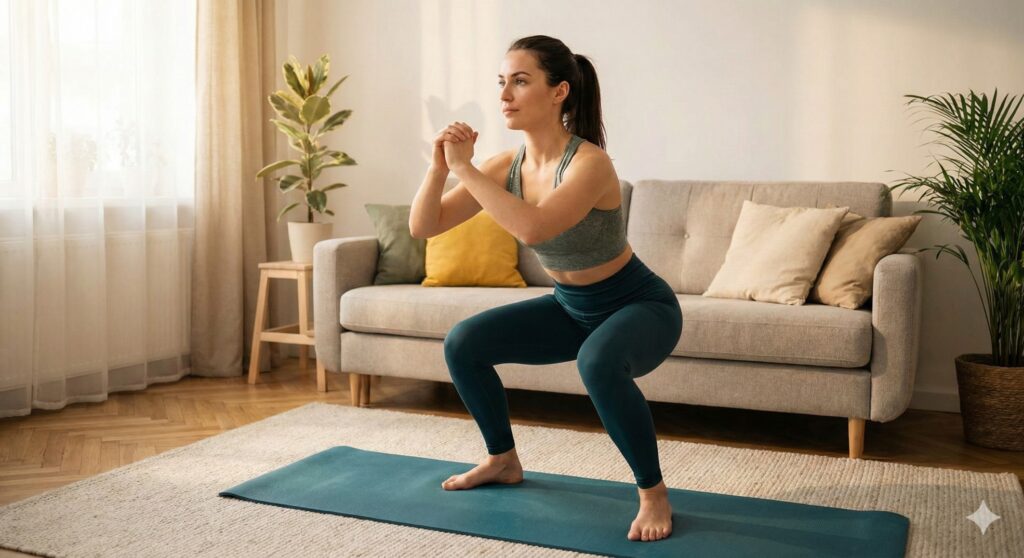
Instead of focusing on weight loss, she committed to a 30-day yoga challenge.
Within weeks she experienced:
- Improved mood
- Better sleep
- Reduced anxiety
- Enhanced flexibility
Her challenge demonstrated that fitness isn’t only about appearance—it’s also about mental wellbeing.
Why Some Challenges Succeed While Others Fail
Not every challenge produces lasting results.
The difference often comes down to strategy.
Successful Participants Focus on Consistency
People who succeed understand a simple principle:
Small actions repeated daily outperform occasional extreme efforts.
For example:
- 20 minutes daily is better than 3 hours once a week.
- 30 push-ups every day are more effective than one exhausting workout.
Consistency creates momentum.
They Track Progress
Tracking helps maintain motivation.
Useful metrics include:
- Body measurements
- Daily workouts
- Energy levels
- Mood
- Sleep quality
- Step count
Progress becomes visible even when physical changes are subtle.
They Expect Challenges
Many people quit because they believe motivation should always feel strong.
The truth:
Motivation naturally fluctuates.
Successful participants continue even when motivation disappears.
They rely on routines instead.
The Psychology Behind Transformation
Fitness challenges are effective because they work with human psychology.
The Power of Short-Term Goals
Long-term goals can feel overwhelming.
For example:
“Get fit this year.”
versus
“Exercise every day for 30 days.”
The second goal feels achievable.
When goals feel achievable, action becomes easier.
Daily Wins Build Confidence
Every completed workout becomes evidence that change is possible.
This creates a positive cycle:
Action → Progress → Confidence → More Action
Over time, self-belief grows stronger.
Identity Changes
One of the most powerful outcomes of a challenge is identity transformation.
Participants stop saying:
“I should exercise.”
And begin saying:
“I am someone who exercises.”
This shift dramatically increases long-term success.
The Best 30-Day Weight Loss Challenge
Many people begin fitness journeys with weight loss goals.
A well-designed challenge focuses on healthy habits rather than quick fixes.
Weekly Structure
Week 1: Build Momentum
Goals:
- Walk 8,000–10,000 steps daily
- Eliminate sugary drinks
- Eat protein with every meal
Week 2: Increase Activity
Add:
- 20-minute workouts
- Strength training twice weekly
- Extra vegetables
Week 3: Improve Consistency
Focus on:
- Sleep quality
- Meal preparation
- Workout intensity
Week 4: Maximize Results
Combine:
- Strength training
- Cardio sessions
- Proper nutrition
- Recovery
Expected Results
Depending on individual circumstances, participants may experience:
- Weight loss
- Reduced bloating
- Increased muscle definition
- Better energy levels
The greatest benefit is developing habits that support continued progress.
The Best 30-Day Strength Challenge
Strength training improves:
- Muscle mass
- Bone density
- Metabolism
- Functional movement
Sample Weekly Routine
Monday
Upper Body
- Push-ups
- Shoulder taps
- Tricep dips
Tuesday
Lower Body
- Squats
- Lunges
- Glute bridges
Wednesday
Core
- Planks
- Mountain climbers
- Leg raises
Thursday
Active Recovery
- Walking
- Stretching
Friday
Full Body
Combination workout
Saturday
Cardio
Running or cycling
Sunday
Recovery
Light mobility work
Following this structure for 30 days often produces noticeable improvements in strength and endurance.
Nutrition Strategies That Maximize Results
Exercise is only part of the equation.
Nutrition significantly influences outcomes.
Prioritize Protein
Protein supports:
- Muscle recovery
- Satiety
- Strength development
Good sources include:
- Eggs
- Fish
- Chicken
- Lentils
- Beans
- Greek yogurt
- Tofu
Eat More Whole Foods
Focus on:
- Fruits
- Vegetables
- Whole grains
- Lean proteins
Reduce heavily processed foods whenever possible.
Stay Hydrated
Hydration affects:
- Performance
- Recovery
- Focus
- Appetite regulation
Many people mistake thirst for hunger.
Don’t Starve Yourself
Extreme calorie restriction often leads to:
- Low energy
- Muscle loss
- Poor adherence
Sustainable nutrition produces better long-term results.
The 30-Day Mobility Challenge
Mobility is often overlooked.
However, it plays a crucial role in:
- Injury prevention
- Athletic performance
- Daily comfort
Daily Mobility Routine
Neck Rolls
1 minute
Shoulder Circles
1 minute
Hip Openers
2 minutes
Deep Squat Hold
1 minute
Hamstring Stretch
2 minutes
Spinal Twists
2 minutes
Ankle Mobility
2 minutes
Total Time:
Approximately 10 minutes daily.
Benefits After 30 Days
Participants commonly report:
- Less stiffness
- Better posture
- Improved flexibility
- Reduced pain
Mobility improvements often enhance performance in other workouts as well.
The Sleep Challenge That Improves Fitness
Many people focus exclusively on exercise while ignoring recovery.
Sleep is one of the most powerful performance enhancers available.
30-Day Sleep Challenge Rules
- Sleep at the same time daily
- Wake up consistently
- Avoid screens before bed
- Limit caffeine late in the day
Results
Participants frequently notice:
- Better workouts
- Improved mood
- Faster recovery
- Reduced cravings
Sleep quality influences nearly every aspect of fitness.
Creating Your Own 30-Day Challenge
The most effective challenge is one you can actually complete.
Step 1: Define Your Goal
Examples:
- Lose weight
- Build strength
- Improve flexibility
- Increase endurance
- Reduce stress
Choose one primary focus.
Step 2: Make It Specific
Instead of:
“Exercise more.”
Try:
“Walk 10,000 steps daily.”
Specific goals improve accountability.
Step 3: Track Progress
Record:
- Daily completion
- Measurements
- Mood
- Energy
Tracking creates awareness and motivation.
Step 4: Plan for Obstacles
Common barriers include:
- Busy schedules
- Travel
- Low motivation
- Bad weather
Prepare solutions in advance.
Step 5: Celebrate Success
Reward consistency.
Examples:
- New workout clothes
- Fitness equipment
- A relaxing day off
Positive reinforcement increases adherence.
Lessons Learned from Successful Participants
Across thousands of transformations, certain lessons repeatedly emerge.
Lesson 1: Start Small
Small habits are easier to maintain.
Lesson 2: Consistency Beats Perfection
Missing one day isn’t failure.
Quitting entirely is.
Lesson 3: Progress Takes Time
Visible results often lag behind effort.
Trust the process.
Lesson 4: Mindset Matters
Physical transformation begins with mental commitment.
Lesson 5: Lifestyle Wins Over Motivation
Long-term success comes from habits, not temporary enthusiasm.
By the end of a 30-day challenge, many participants realize that fitness is not a destination. It is a lifestyle built through daily decisions and consistent effort.
Frequently Asked Questions (FAQs)
1. What is a 30-day fitness challenge?
A 30-day fitness challenge is a structured program designed to help individuals build healthier habits, improve fitness levels, and achieve specific health goals through consistent daily actions over one month.
2. Can a 30-day fitness challenge really change your life?
Yes. While dramatic physical transformations vary from person to person, many people experience improved energy, stronger habits, increased confidence, better mental health, and noticeable fitness improvements within 30 days.
3. How much weight can I lose in a 30-day challenge?
Weight loss depends on factors such as diet, activity level, metabolism, and consistency. Many participants lose between 2 and 10 pounds during a well-balanced challenge, though results vary.
4. Do I need a gym membership to complete a fitness challenge?
No. Many successful challenges use bodyweight exercises such as push-ups, squats, lunges, planks, and walking, making them accessible from home without equipment.
5. What is the best fitness challenge for beginners?
Walking challenges, daily stretching, yoga routines, and simple bodyweight workouts are excellent starting points for beginners because they are low-risk and easy to follow.
6. How important is consistency during a 30-day challenge?
Consistency is the most important factor. Small daily efforts performed consistently often produce better results than intense workouts done occasionally.
7. What should I do if I miss a day?
Missing one day doesn’t mean failure. Simply continue the challenge the next day. Avoid letting one missed workout become a reason to quit entirely.
8. How can I stay motivated throughout the challenge?
You can stay motivated by:
- Tracking your progress
- Taking weekly photos
- Setting realistic goals
- Finding an accountability partner
- Celebrating small victories
9. Are fitness challenges effective for building habits?
Yes. Repeating healthy behaviors for 30 days can help establish routines that become easier to maintain over time, increasing the likelihood of long-term success.
10. What role does nutrition play in a fitness challenge?
Nutrition is crucial. A balanced diet that includes lean proteins, fruits, vegetables, whole grains, and proper hydration can significantly improve results and support recovery.
11. Should I focus more on exercise or diet?
Both are important. Exercise helps build strength and fitness, while proper nutrition supports recovery, energy levels, and body composition changes.
12. How much protein should I consume during a fitness challenge?
Protein needs vary by individual, but consuming protein with each meal can help support muscle growth, recovery, and satiety.
13. Why is sleep important during a fitness challenge?
Quality sleep supports muscle recovery, hormone regulation, energy levels, and overall performance. Poor sleep can slow progress and reduce motivation.
14. Can a fitness challenge improve mental health?
Absolutely. Regular exercise can reduce stress, improve mood, boost self-esteem, and help manage symptoms of anxiety and depression.
15. What are the most common mistakes people make during fitness challenges?
Common mistakes include:
- Setting unrealistic goals
- Doing too much too soon
- Ignoring recovery
- Following extreme diets
- Focusing only on the scale
16. How can I track my progress effectively?
You can track:
- Weight
- Body measurements
- Progress photos
- Workout performance
- Energy levels
- Sleep quality
- Daily habits
17. What if I don’t see visible results after 30 days?
Visible changes may take longer than 30 days. Focus on non-scale victories such as improved strength, endurance, flexibility, confidence, and consistency.
18. Which challenge is best for weight loss?
Walking challenges, running challenges, full-body workouts, and nutrition-focused challenges often support weight loss when combined with a balanced diet.
19. Which challenge is best for building strength?
Bodyweight strength challenges, push-up challenges, squat challenges, and structured resistance training programs are excellent for developing strength.
20. How can I prevent injuries during a fitness challenge?
To reduce injury risk:
- Warm up properly
- Use correct form
- Increase intensity gradually
- Stay hydrated
- Get adequate rest
- Listen to your body
21. Is a 30-day challenge enough to achieve long-term fitness goals?
A 30-day challenge is typically the beginning rather than the end. It helps build momentum and habits that can support long-term fitness success.
22. What is the biggest benefit of completing a 30-day fitness challenge?
The greatest benefit is often the development of discipline and self-confidence. Completing a challenge proves that meaningful change is possible through consistent daily effort.
23. Can older adults participate in fitness challenges?
Yes. Fitness challenges can be adapted for all ages and fitness levels. Walking, stretching, yoga, and low-impact strength training are particularly suitable for older adults.
24. How do successful participants maintain results after the challenge ends?
Successful participants continue the healthy habits they developed during the challenge, such as regular exercise, proper nutrition, hydration, and consistent sleep schedules.
25. What’s the most important lesson from successful 30-day transformations?
The most important lesson is that lasting change doesn’t come from perfection—it comes from showing up consistently, making small improvements each day, and staying committed to the process.
References
The following references can be included at the end of “30-Day Fitness Challenges That Changed Lives (Part 2)” to enhance credibility, support key claims, and improve SEO value.
Books and Expert Publications
- Clear, J. (2018). Atomic Habits: An Easy & Proven Way to Build Good Habits and Break Bad Ones. Avery.
- Duhigg, C. (2014). The Power of Habit: Why We Do What We Do in Life and Business. Random House.
- Matthews, M. (2019). Bigger Leaner Stronger: The Simple Science of Building the Ultimate Male Body. Legion Publishing.
- Matthews, M. (2018). Thinner Leaner Stronger: The Simple Science of Building the Ultimate Female Body. Legion Publishing.
- Ratey, J. J. (2008). Spark: The Revolutionary New Science of Exercise and the Brain. Little, Brown Spark.
- McGonigal, K. (2012). The Willpower Instinct: How Self-Control Works, Why It Matters, and What You Can Do to Get More of It. Avery.
Fitness and Health Organizations
- World Health Organization (WHO) Physical Activity Guidelines
- American College of Sports Medicine (ACSM)
- Centers for Disease Control and Prevention (CDC) Physical Activity Resources
- National Institutes of Health (NIH) Fitness and Exercise Information
- Harvard Health Publishing – Exercise and Fitness Resources
Scientific Research and Journals
- American College of Sports Medicine. (2024). Guidelines for Exercise Testing and Prescription.
- Journal of Strength and Conditioning Research. Research on resistance training, muscle development, and exercise adherence.
- British Journal of Sports Medicine. Studies on physical activity and long-term health outcomes.
- Medicine & Science in Sports & Exercise. Research on exercise physiology, strength training, and fitness improvements.
- International Journal of Behavioral Nutrition and Physical Activity. Studies on habit formation, exercise behavior, and lifestyle change.
Nutrition References
- Academy of Nutrition and Dietetics
- Mayo Clinic Fitness and Nutrition Resources
- National Sleep Foundation
- Johns Hopkins Medicine – Exercise and Wellness Information
Further Reading
- Atomic Habits by James Clear
- The Power of Habit by Charles Duhigg
- Spark by John J. Ratey
- The Willpower Instinct by Kelly McGonigal