
Introduction
When it comes to losing weight and improving fitness, one question consistently sparks debate:
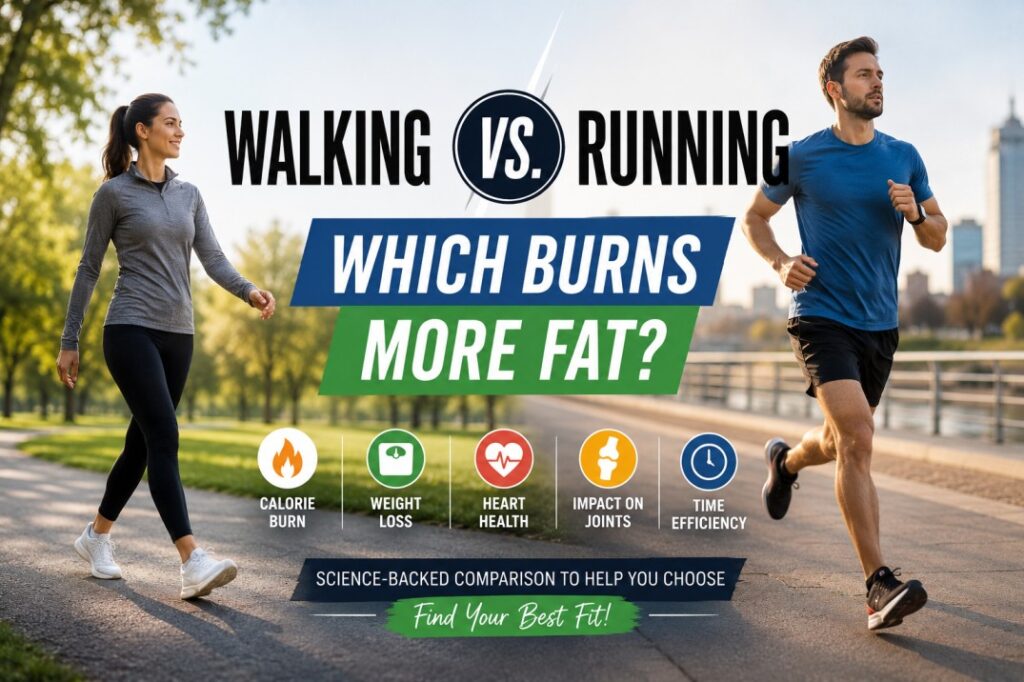
Is walking or running better for burning fat?
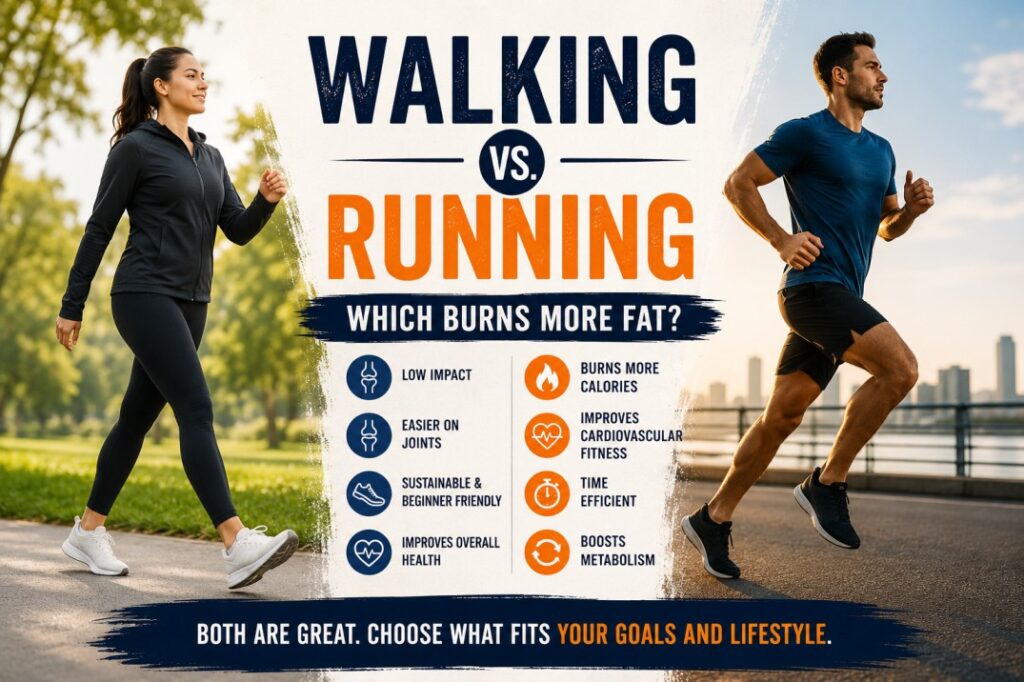
Some people swear by running because it burns more calories in less time. Others prefer walking because it’s easier on the joints, sustainable, and suitable for almost everyone.
The truth is that both activities can help you lose fat and improve overall health. However, they do so in slightly different ways.
Understanding the science behind calorie burning, fat metabolism, exercise intensity, and sustainability can help you choose the best option for your goals.
In this comprehensive guide, we’ll compare walking and running, examine how each affects fat loss, and help you determine which form of exercise may be most effective for your lifestyle.
Understanding Fat Loss
Before comparing walking and running, it’s important to understand how fat loss actually works.
Many people believe that certain exercises directly “burn fat.”
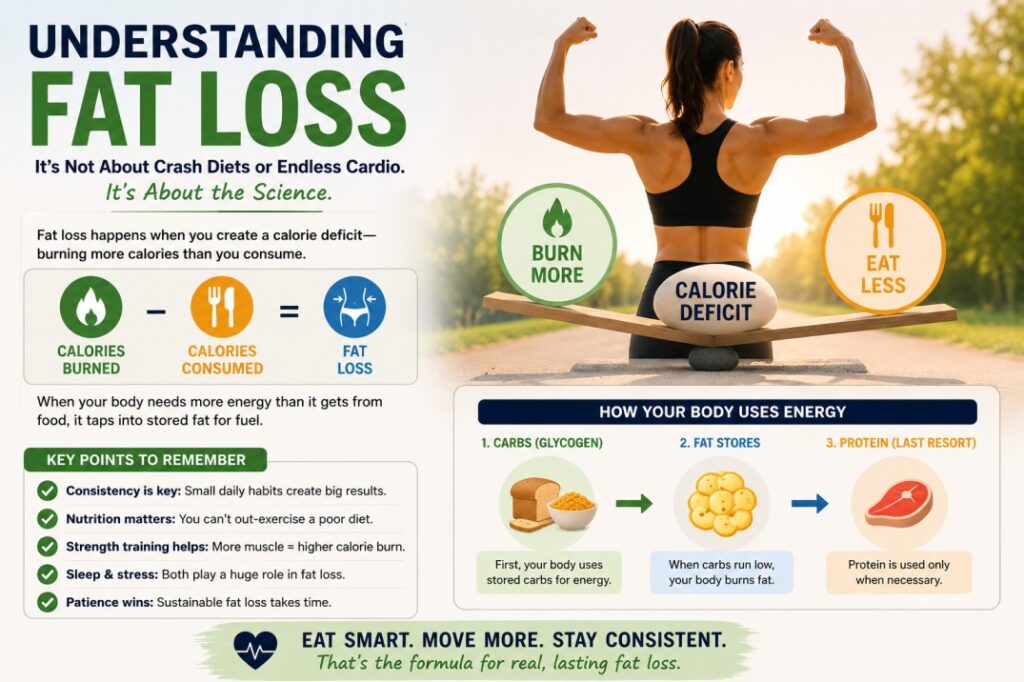
In reality, fat loss occurs when you consistently create a calorie deficit.
This means:
Calories burned > Calories consumed
When your body needs more energy than it receives from food, it begins using stored energy reserves, including body fat.
Both walking and running contribute to this calorie deficit.
The question is: Which one does it more effectively?
How the Body Uses Energy During Exercise
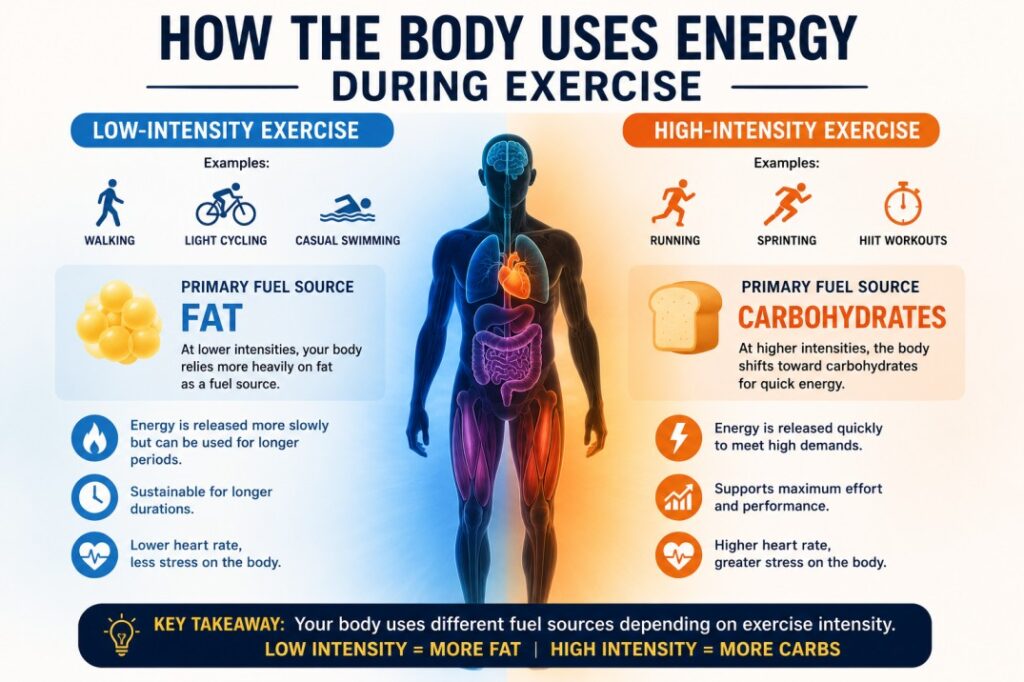
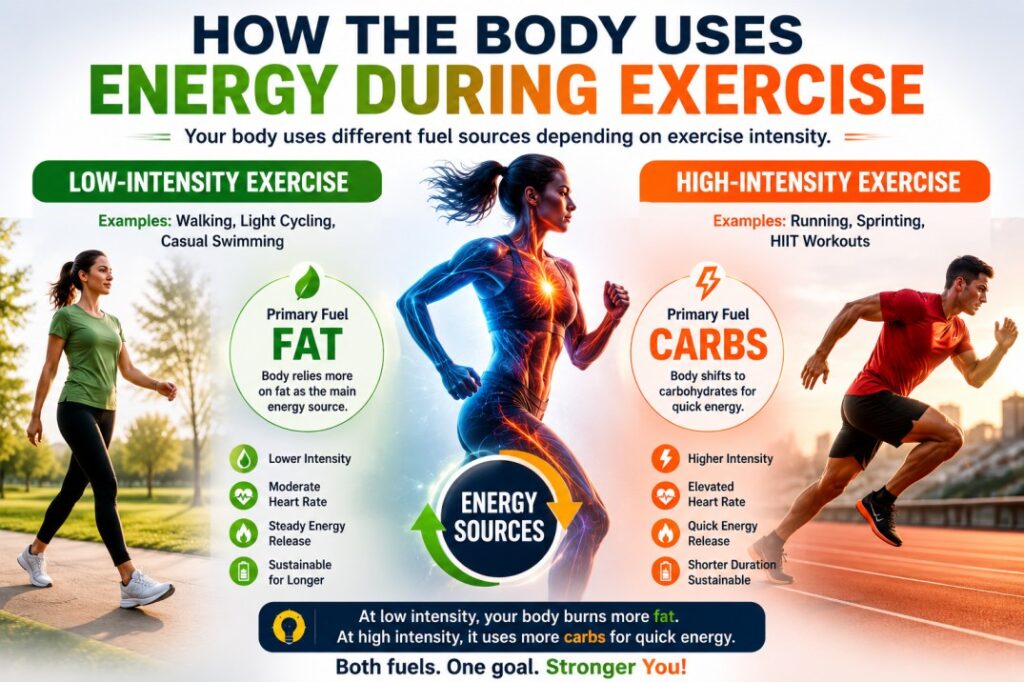
Your body uses different fuel sources depending on exercise intensity.
Low-Intensity Exercise
Examples:
- Walking
- Light cycling
- Casual swimming
At lower intensities, your body relies more heavily on fat as a fuel source.
High-Intensity Exercise
Examples:
- Running
- Sprinting
- HIIT workouts
At higher intensities, the body shifts toward carbohydrates for quick energy.
This leads many people to believe walking burns more fat than running.
But the full story is more complex.
Walking vs. Running: The Fat-Burning Myth
You may have heard that walking burns a higher percentage of fat compared to running.
Technically, that’s true.
However, percentage alone doesn’t tell the whole story.
Example
Imagine:
Walking burns:
- 200 calories
- 60% from fat
Fat calories burned:
120
Running burns:
- 400 calories
- 40% from fat
Fat calories burned:
160
Although running uses a lower percentage of fat, it burns more total calories and more total fat.
This is why exercise scientists focus on overall calorie expenditure rather than fuel percentages alone.
Calories Burned: Walking vs. Running
The number of calories burned depends on:
- Body weight
- Speed
- Duration
- Fitness level
- Terrain
Walking
A 70 kg (154 lb) person walking at a moderate pace for one hour burns approximately:
200–350 calories
Running
The same person running for one hour may burn:
500–800 calories
or more.
This is one reason running is often considered more efficient for fat loss.
Why Running Burns More Calories
Running requires greater effort because:
- Both feet leave the ground
- More muscles are activated
- Heart rate increases significantly
- Energy demands rise
Your body must generate more force and consume more oxygen.
The result:
Greater calorie expenditure.
The Afterburn Effect
Running provides another advantage known as:
Excess Post-Exercise Oxygen Consumption (EPOC)
Also called the “afterburn effect.”
After intense exercise, the body continues burning calories while recovering.
Running generally creates a larger EPOC effect than walking.
This means you may continue burning additional calories even after your workout ends.
Benefits of Walking for Fat Loss
Although running burns more calories per minute, walking offers unique advantages.
1. Easier Recovery
Walking places less stress on:
- Knees
- Ankles
- Hips
- Lower back
This allows more frequent exercise without excessive fatigue.
2. Sustainable for Beginners
Many people struggle to maintain a running routine.
Walking is easier to:
- Start
- Maintain
- Enjoy consistently
Consistency often matters more than workout intensity.
3. Lower Injury Risk
Running increases the likelihood of:
- Shin splints
- Tendinitis
- Knee pain
- Muscle strains
Walking carries a significantly lower injury risk.
4. Suitable for Most Fitness Levels
Walking is accessible to:
- Beginners
- Seniors
- Overweight individuals
- People recovering from injury
Benefits of Running for Fat Loss
1. Higher Calorie Burn
Running burns significantly more calories per minute.
This can accelerate fat loss when combined with healthy nutrition.
2. Improved Cardiovascular Fitness
Running challenges the heart and lungs more intensely.
Benefits include:
- Increased endurance
- Better cardiovascular health
- Enhanced athletic performance
3. Time Efficiency
If you’re short on time, running can produce substantial calorie expenditure in a shorter period.
A 30-minute run may burn as many calories as a 60-minute walk.
4. Greater Metabolic Impact
Running stimulates:
- Mitochondrial adaptation
- Aerobic capacity
- Metabolic efficiency
These changes support long-term fitness improvements.
Which Burns More Belly Fat?
One of the most common questions is:
“Does running burn more belly fat than walking?”
The answer is:
Neither exercise specifically targets belly fat.
Spot reduction is a myth.
Fat loss occurs throughout the body based on genetics and hormonal factors.
However, because running burns more calories overall, it may contribute to faster overall fat reduction when maintained consistently.
Walking can also reduce belly fat when performed regularly and combined with a healthy diet.
Walking for Weight Loss: How to Maximize Results
If you prefer walking, consider these strategies:
Increase Duration
Longer walks increase total calorie burn.
Aim for:
45–60 minutes or more.
Walk Faster
Brisk walking significantly raises energy expenditure.
Add Hills
Inclines increase workout intensity.
Walk Daily
Consistency is key.
Even moderate daily walking can lead to substantial results over time.
Track Steps
Many experts recommend:
8,000–12,000 steps daily.
Running for Weight Loss: How to Maximize Results
Include Interval Training
Alternating between:
- Fast running
- Slower recovery periods
can increase calorie burn and EPOC.
Progress Gradually
Avoid increasing mileage too quickly.
This reduces injury risk.
Combine with Strength Training
Muscle mass helps increase resting metabolic rate.
Prioritize Recovery
Adequate sleep and recovery support fat loss and performance.
What Does Research Say?
Numerous studies have compared walking and running.
Research generally finds:
Running
- Produces greater calorie expenditure
- Leads to faster weight loss in some individuals
- Improves aerobic fitness more rapidly
Walking
- Improves health markers
- Supports long-term adherence
- Reduces disease risk
- Contributes effectively to fat loss
The best exercise is often the one you can consistently maintain.
Walking vs. Running for Different Goals
Goal: Maximum Fat Loss
Winner: Running
Higher calorie expenditure per minute.
Goal: Beginner Fitness
Winner: Walking
Lower impact and easier to sustain.
Goal: Joint Health
Winner: Walking
Less stress on the body.
Goal: Time Efficiency
Winner: Running
More calories burned in less time.
Goal: Long-Term Sustainability
Winner: Walking
Higher adherence for many people.
Goal: Cardiovascular Conditioning
Winner: Running
Greater cardiovascular challenge.
Why Combining Both May Be Best
You don’t necessarily have to choose one over the other.
Many fitness experts recommend combining walking and running.
For example:
Weekly Schedule
Monday: Walk
Tuesday: Run
Wednesday: Walk
Thursday: Run
Friday: Walk
Saturday: Long Run
Sunday: Recovery Walk
This approach provides:
- Variety
- Better recovery
- Reduced injury risk
- Sustainable fat loss
Nutrition Still Matters
Even the most effective exercise program cannot compensate for poor nutrition.
To lose fat effectively:
Focus on:
- Lean proteins
- Fruits
- Vegetables
- Whole grains
- Healthy fats
Limit:
- Sugary beverages
- Highly processed foods
- Excess calories
Remember:
Fat loss occurs primarily through maintaining a calorie deficit.
Exercise helps create that deficit, but nutrition plays a critical role.
Common Mistakes to Avoid
Overestimating Calories Burned
Many people consume extra calories after exercise, eliminating the deficit.
Ignoring Recovery
Too much running can lead to burnout and injury.
Expecting Quick Results
Fat loss takes time and consistency.
Focusing Only on Exercise
Nutrition, sleep, and stress management are equally important.
Conclusion
So, which burns more fat: walking or running?
From a purely calorie-burning perspective, running burns more calories and generally leads to greater fat expenditure per unit of time.
However, walking remains an excellent fat-loss tool because it is accessible, sustainable, low-impact, and easier to maintain consistently.
The best choice depends on your:
- Fitness level
- Health status
- Goals
- Preferences
- Lifestyle
For many people, a combination of both walking and running provides the ideal balance of calorie burning, cardiovascular fitness, recovery, and long-term sustainability.
Ultimately, the most effective exercise is the one you enjoy enough to do regularly. Consistency beats intensity when it comes to lasting fat loss and better health.
Frequently Asked Questions (FAQs)
1. Which burns more fat, walking or running?
Running generally burns more calories and more total fat per minute than walking. However, both activities can contribute to fat loss when performed consistently and combined with a healthy diet.
2. Does walking burn fat?
Yes. Walking is a low-intensity activity that uses fat as a primary fuel source and can effectively support weight loss and fat reduction over time.
3. Why does running burn more calories than walking?
Running requires more energy because it involves greater muscle activation, higher heart rates, and increased oxygen consumption, leading to a higher calorie burn.
4. Is it true that walking burns a higher percentage of fat?
Yes. Walking often burns a higher percentage of calories from fat compared to running. However, running typically burns more total calories and more total fat overall.
5. Which is better for losing belly fat?
Neither walking nor running specifically targets belly fat. Fat loss occurs throughout the body. However, because running burns more calories, it may help reduce overall body fat more quickly.
6. Can walking help me lose weight?
Absolutely. Regular walking, especially when combined with a calorie-controlled diet, can help create a calorie deficit and support weight loss.
7. How much walking is needed for fat loss?
Many experts recommend at least 30–60 minutes of brisk walking most days of the week or aiming for 8,000–12,000 steps daily.
8. How much running is needed for fat loss?
Even 20–30 minutes of running several times per week can significantly increase calorie expenditure and contribute to fat loss.
9. Is walking safer than running?
Generally, yes. Walking is lower impact and places less stress on the joints, making it a safer option for beginners, older adults, and individuals with joint concerns.
10. Does running increase the risk of injury?
Running can increase the risk of injuries such as shin splints, knee pain, tendonitis, and muscle strains, especially when training volume increases too quickly.
11. Which is better for beginners?
Walking is usually the better choice for beginners because it is accessible, low-impact, and easier to maintain consistently.
12. Can walking and running be combined?
Yes. Many fitness experts recommend combining walking and running to balance calorie burning, recovery, and injury prevention.
13. What is the afterburn effect?
The afterburn effect, also known as Excess Post-Exercise Oxygen Consumption (EPOC), refers to the additional calories your body burns after intense exercise. Running typically creates a larger afterburn effect than walking.
14. Is brisk walking more effective than slow walking?
Yes. Brisk walking increases heart rate and calorie expenditure, making it more effective for improving fitness and supporting fat loss.
15. Can walking improve cardiovascular health?
Yes. Regular walking can strengthen the heart, improve circulation, lower blood pressure, and reduce the risk of cardiovascular disease.
16. Is running better for heart health?
Running generally provides a greater cardiovascular challenge, which can improve endurance and aerobic fitness more rapidly than walking.
17. Which exercise is more time-efficient for weight loss?
Running is more time-efficient because it burns more calories in a shorter amount of time.
18. Can overweight individuals start with running?
Many overweight individuals may benefit from starting with walking to reduce stress on the joints before gradually incorporating running.
19. Does walking build muscle?
Walking primarily improves endurance and muscular stamina, especially in the legs and glutes, but it is not a significant muscle-building activity.
20. Can running help improve metabolism?
Yes. Running can increase calorie expenditure, improve metabolic fitness, and support long-term weight management.
21. Which is better for long-term consistency?
Walking is often easier to maintain over the long term because it is less physically demanding and has a lower risk of injury.
22. Should I walk or run if I have joint pain?
Walking is generally the better option for individuals with joint pain, although consulting a healthcare professional is recommended for personalized advice.
23. Does walking count as exercise?
Absolutely. Walking is one of the most effective and accessible forms of physical activity and offers numerous health benefits.
24. What role does diet play in fat loss?
Diet is crucial. Fat loss occurs when you maintain a calorie deficit, meaning you burn more calories than you consume. Exercise supports this process, but nutrition remains a key factor.
25. Is running necessary to lose fat?
No. Many people successfully lose fat through walking, strength training, cycling, swimming, and other forms of exercise. Consistency and a calorie deficit are what matter most.
26. Which burns more calories in 30 minutes?
For most people, running burns significantly more calories in 30 minutes than walking, depending on speed, body weight, and fitness level.
27. Can walking every day reduce body fat?
Yes. Daily walking can contribute to a calorie deficit, improve overall activity levels, and support gradual fat loss.
28. What is the biggest advantage of walking?
The biggest advantage of walking is its accessibility. Nearly anyone can do it regardless of age, fitness level, or experience.
29. What is the biggest advantage of running?
The biggest advantage of running is its ability to burn a large number of calories in a relatively short period.
30. What is the ultimate verdict: walking or running?
Running burns more calories and may accelerate fat loss, but walking is highly effective, sustainable, and suitable for most people. The best choice is the one you enjoy and can maintain consistently as part of a healthy lifestyle.
References
Books and Exercise Science Literature
- Powers, S. K., & Howley, E. T. (2021). Exercise Physiology: Theory and Application to Fitness and Performance (11th ed.). McGraw-Hill Education.
- Kenney, W. L., Wilmore, J. H., & Costill, D. L. (2020). Physiology of Sport and Exercise (7th ed.). Human Kinetics.
- McArdle, W. D., Katch, F. I., & Katch, V. L. (2022). Exercise Physiology: Nutrition, Energy, and Human Performance (10th ed.). Wolters Kluwer.
- Sharkey, B. J., & Gaskill, S. E. (2013). Fitness and Health (7th ed.). Human Kinetics.
- Noakes, T. (2003). Lore of Running (4th ed.). Human Kinetics.
Scientific Journals and Research
- Medicine & Science in Sports & Exercise. Research on calorie expenditure, fat metabolism, and aerobic exercise.
- Journal of Applied Physiology. Studies on exercise intensity, energy expenditure, and fat oxidation.
- Obesity Reviews. Research on weight loss, exercise, and body composition.
- British Journal of Sports Medicine. Studies on walking, running, and long-term health outcomes.
- The American Journal of Clinical Nutrition. Research on exercise, metabolism, and weight management.
- International Journal of Obesity. Studies on physical activity and fat loss.
- Sports Medicine. Reviews on aerobic exercise, calorie burning, and exercise programming.
- Journal of Strength and Conditioning Research. Research on endurance exercise and body composition.
Health and Fitness Organizations
- World Health Organization (WHO) Physical Activity Guidelines
- American College of Sports Medicine (ACSM)
- Centers for Disease Control and Prevention (CDC) Physical Activity Resources
- National Institutes of Health (NIH) Weight Management Resources
- Harvard Health Publishing – Walking and Running Resources
Fitness and Weight Loss Resources
- Mayo Clinic Exercise and Fitness Guide
- Cleveland Clinic Exercise and Wellness Resources
- Johns Hopkins Medicine Fitness Resources
- American Heart Association Physical Activity Resources
- National Academy of Sports Medicine (NASM)
Further Reading
- Exercise Physiology: Theory and Application to Fitness and Performance by Scott K. Powers
- Physiology of Sport and Exercise by W. Larry Kenney
- Lore of Running by Tim Noakes
- Research from the American College of Sports Medicine
- Guidelines from the World Health Organization