
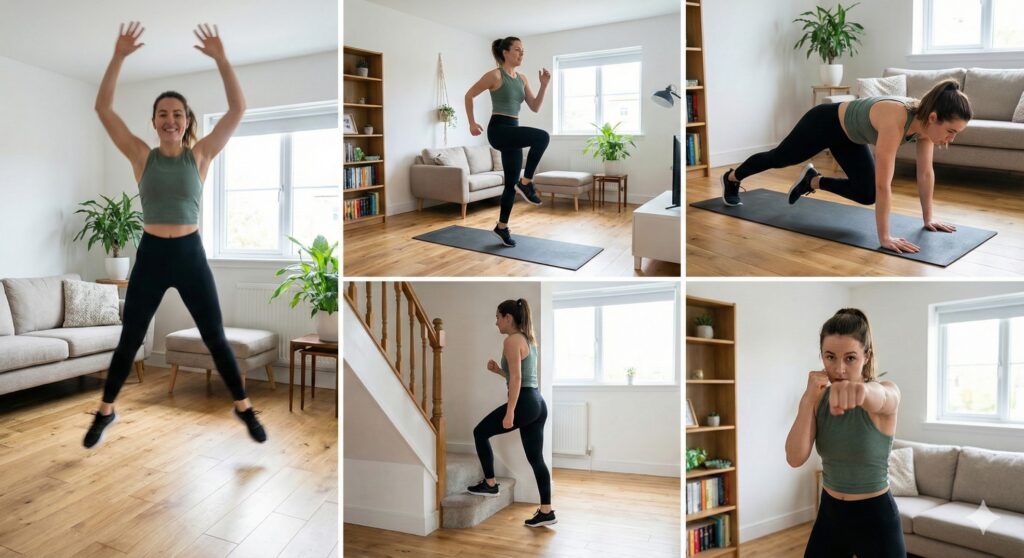
Staying active doesn’t require a gym membership, expensive equipment, or complicated workout plans. In fact, some of the most effective exercises use nothing more than your own body weight and a small space in your home.
If you’ve ever skipped a workout because you couldn’t make it to the gym, felt intimidated by equipment, or believed you needed professional tools to get results, this guide is for you. The truth is simple: you can build strength, improve flexibility, boost endurance, and support your overall health right from your living room.
This comprehensive guide will walk you through the benefits of home workouts, the principles of effective exercise, and a wide range of simple exercises you can do at home—whether you’re a beginner or looking to refresh your routine.
Why Home Workouts Are More Effective Than You Think
Many people underestimate home workouts. However, consistency matters more than location. If exercising at home makes it easier to stay regular, it’s often more beneficial than an inconsistent gym routine.
Benefits of Exercising at Home
- Saves time (no commute)
- No membership cost
- Flexible schedule
- Comfortable environment
- No equipment required
- Easier to build a daily habit
When convenience increases, excuses decrease.
The Foundations of an Effective Home Workout
Before diving into exercises, it’s important to understand what makes a workout balanced.
An effective routine includes:
- Strength training – Builds muscle and supports metabolism
- Cardiovascular exercise – Improves heart health and endurance
- Flexibility and mobility – Prevents stiffness and injury
- Core stability – Supports posture and balance
You don’t need long sessions. Even 20–30 minutes of focused movement can make a significant difference when done consistently.
Warm-Up: Preparing Your Body
Warming up increases blood flow, reduces stiffness, and prepares your muscles for activity.
Simple 5-Minute Warm-Up Routine
- March or jog in place (1 minute)
- Arm circles (30 seconds each direction)
- Hip circles (1 minute)
- Bodyweight squats (1 minute)
- Gentle stretching (1 minute)
A proper warm-up reduces injury risk and improves performance.
Strength Exercises You Can Do at Home
Strength training doesn’t require weights. Your body weight provides natural resistance.
1. Squats
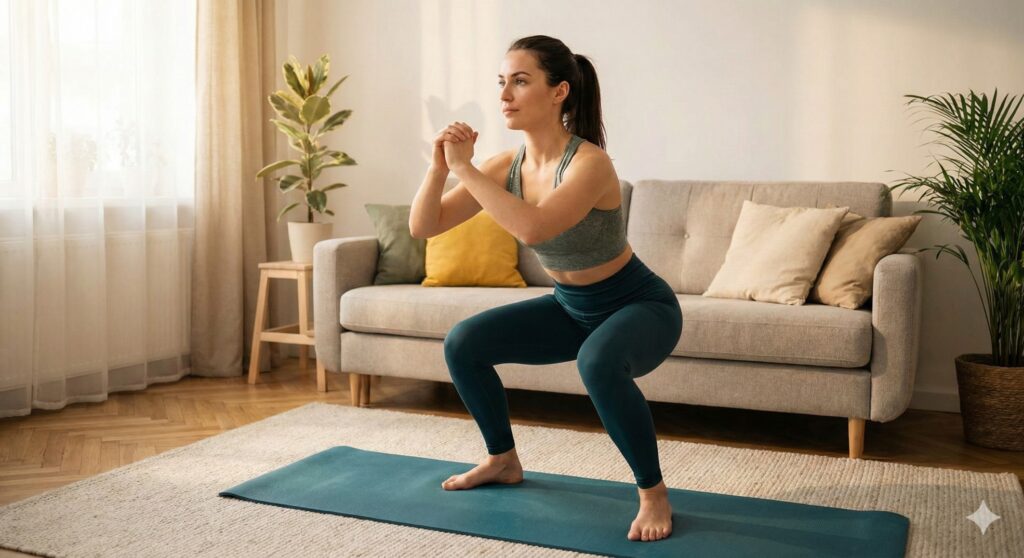
Squats strengthen your legs, glutes, and core.
How to do it:
- Stand with feet shoulder-width apart
- Lower your hips back and down
- Keep chest upright
- Return to standing
Do 2–3 sets of 10–15 repetitions.
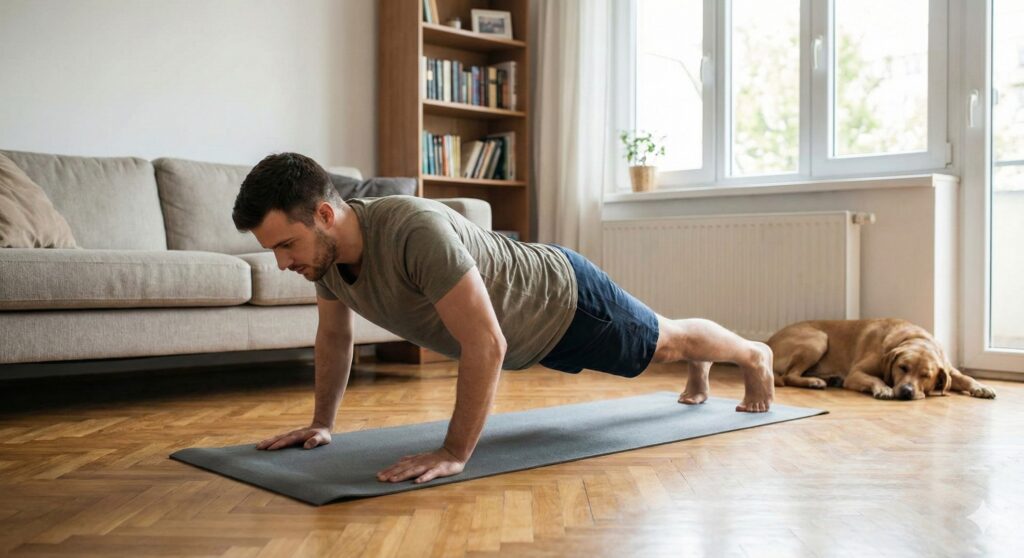
2. Push-Ups
Push-ups strengthen the chest, shoulders, arms, and core.
Modification: Perform on knees if needed.
Do 2–3 sets of 8–12 repetitions.
3. Lunges
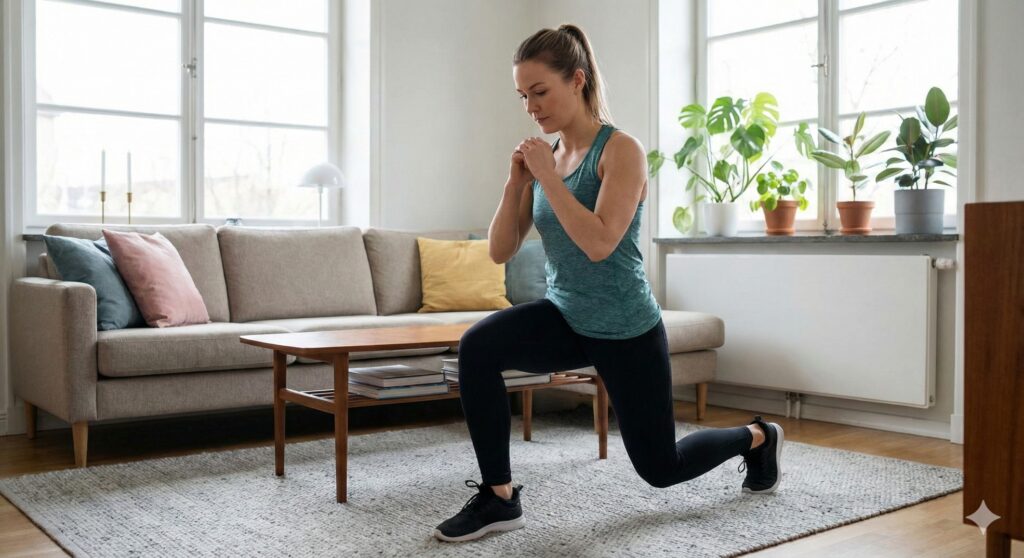
Lunges improve leg strength and balance.
- Step forward
- Lower back knee toward the floor
- Return to standing
Repeat 10 times per leg.
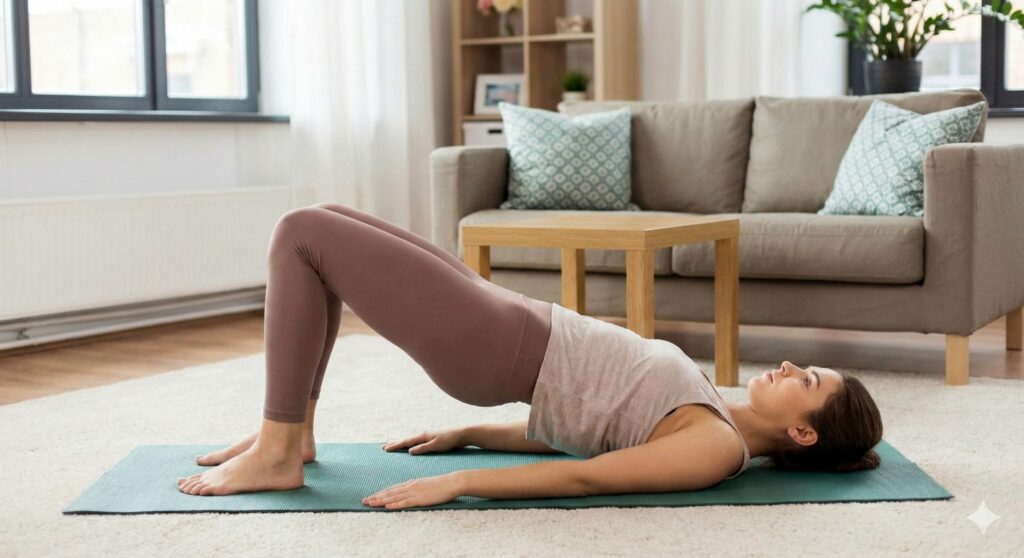
4. Glute Bridges
Great for strengthening the lower body.
- Lie on your back
- Bend knees
- Lift hips upward
- Lower slowly
Do 12–15 repetitions.
5. Plank
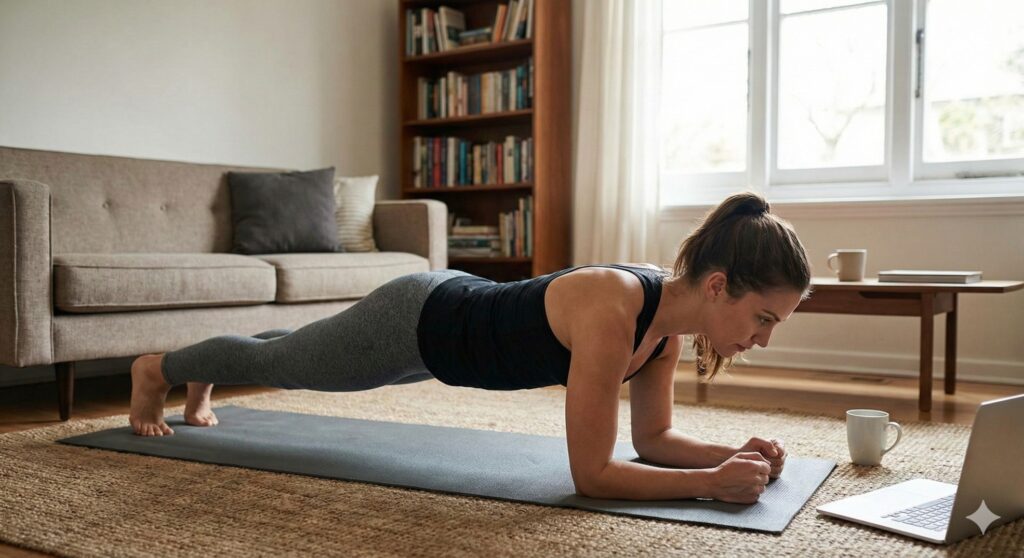
Planks build core stability.
- Hold a straight line from head to heels
- Engage core muscles
- Hold 20–60 seconds
Repeat 2–3 times.
Cardio Exercises Without Equipment
Cardio boosts heart health and burns calories.
1. Jumping Jacks
Full-body movement that raises heart rate.
Perform for 30–60 seconds.
2. High Knees
Jog in place while lifting knees high.
Perform for 30 seconds.
3. Mountain Climbers
Engages core and cardio simultaneously.
Perform for 30 seconds.
4. Step-Ups
Use stairs or a sturdy step.
Repeat for 1 minute.
5. Shadow Boxing
Punch the air lightly to elevate heart rate.
Do 1–2 minutes.
Flexibility and Mobility Exercises
Stretching improves recovery and reduces tension.
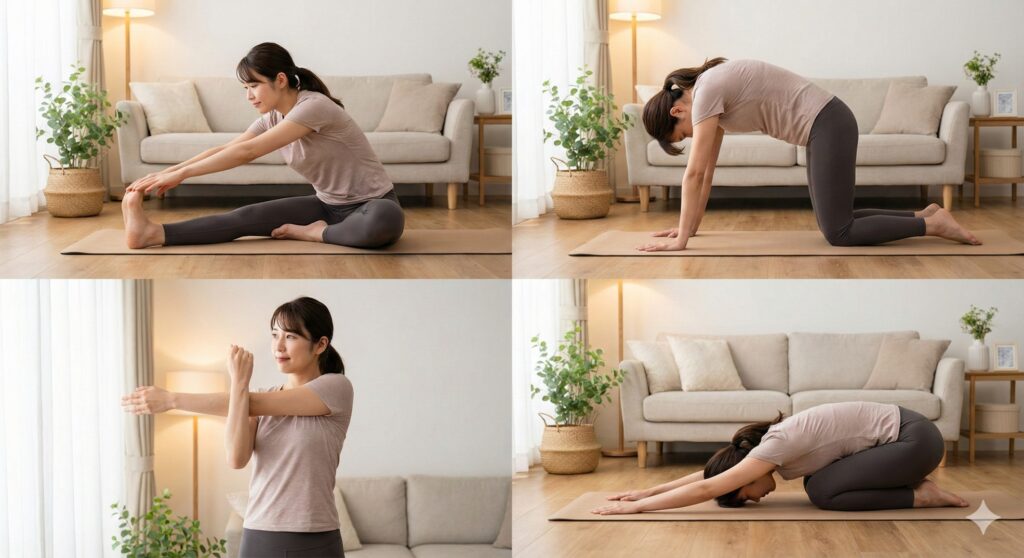
1. Hamstring Stretch
Sit and reach toward your toes.
Hold for 20–30 seconds.
2. Cat-Cow Stretch
Improves spine mobility.
Repeat 10 times.
3. Shoulder Stretch
Stretch each arm across the body.
Hold for 20 seconds per side.
4. Child’s Pose
Relaxing stretch for the lower back.
Hold for 30–60 seconds.
Creating a Weekly Home Workout Plan
You don’t need daily intense workouts. Balance is key.
Example Weekly Plan
Monday: Strength (Lower body + core)
Tuesday: Cardio (20 minutes)
Wednesday: Rest or light stretching
Thursday: Strength (Upper body + core)
Friday: Cardio + core
Saturday: Full body workout
Sunday: Rest
Adjust based on your fitness level.
Beginner-Friendly 20-Minute Routine
- Warm-up – 5 minutes
- Squats – 12 reps
- Push-ups – 8 reps
- Lunges – 10 per leg
- Plank – 30 seconds
- Jumping jacks – 30 seconds
Repeat circuit 2–3 times.
How to Stay Motivated at Home
Working out at home requires self-discipline. Here’s how to stay consistent:
- Schedule workouts like appointments
- Set small goals
- Track progress
- Play energizing music
- Keep workout clothes ready
Remember: short workouts done regularly are better than long workouts done rarely.
Common Mistakes to Avoid
- Skipping warm-ups
- Poor form
- Overtraining
- Inconsistent schedule
- Expecting instant results
Progress takes time.
When to Increase Intensity
Once exercises feel easy:
- Add more repetitions
- Increase sets
- Slow down movements
- Add resistance bands
- Extend workout duration
Gradual progression prevents plateau.
Benefits of Regular Home Exercise
When practiced consistently, home workouts can:
- Improve strength and muscle tone
- Boost metabolism
- Enhance heart health
- Improve mood
- Reduce stress
- Improve sleep quality
- Increase energy levels
The key factor is consistency, not complexity.
Exercise and Mental Health
Movement releases endorphins—natural mood boosters. Regular exercise reduces anxiety, enhances focus, and builds confidence.
Even short daily sessions can positively impact mental clarity and emotional balance.
Listening to Your Body
Not every day will feel the same. Rest when needed. Push gently when capable. Fitness is a long-term commitment, not a short-term challenge.
Final Thoughts: You Don’t Need a Gym to Get Fit
Fitness isn’t about fancy equipment or expensive memberships. It’s about movement, discipline, and consistency. Your body is the most powerful piece of equipment you own.
With simple exercises done regularly, you can build strength, improve endurance, and maintain flexibility—all without leaving home.
No gym? No problem.
Your living room can be your training ground.
Frequently Asked Questions (FAQs)
1. Can I really get fit without going to the gym?
Yes, you can. Bodyweight exercises such as squats, push-ups, lunges, and planks are highly effective for building strength, improving endurance, and maintaining overall fitness without gym equipment.
2. How long should a home workout be?
A home workout can be effective in just 20–30 minutes. Consistency is more important than duration. Even short daily sessions can improve strength and cardiovascular health.
3. Do I need equipment for home workouts?
No equipment is required for many exercises. However, optional tools like resistance bands, dumbbells, or a yoga mat can add variety and intensity if desired.
4. How often should I exercise at home?
Aim for at least 3–5 days per week. You can alternate between strength training, cardio, and flexibility exercises to create a balanced routine.
5. Are home workouts suitable for beginners?
Yes. Many home exercises can be modified to suit beginners. Start with basic movements and gradually increase intensity as your strength and endurance improve.
6. Can home workouts help with weight loss?
Yes. Combined with balanced nutrition, regular home workouts can support fat loss, improve metabolism, and increase muscle tone.
7. What are the best exercises to start with at home?
Begin with squats, push-ups (or knee push-ups), lunges, planks, and jumping jacks. These exercises target multiple muscle groups and improve overall fitness.
8. How do I stay motivated to work out at home?
Set realistic goals, create a schedule, track progress, play energizing music, and remind yourself of the long-term health benefits.