
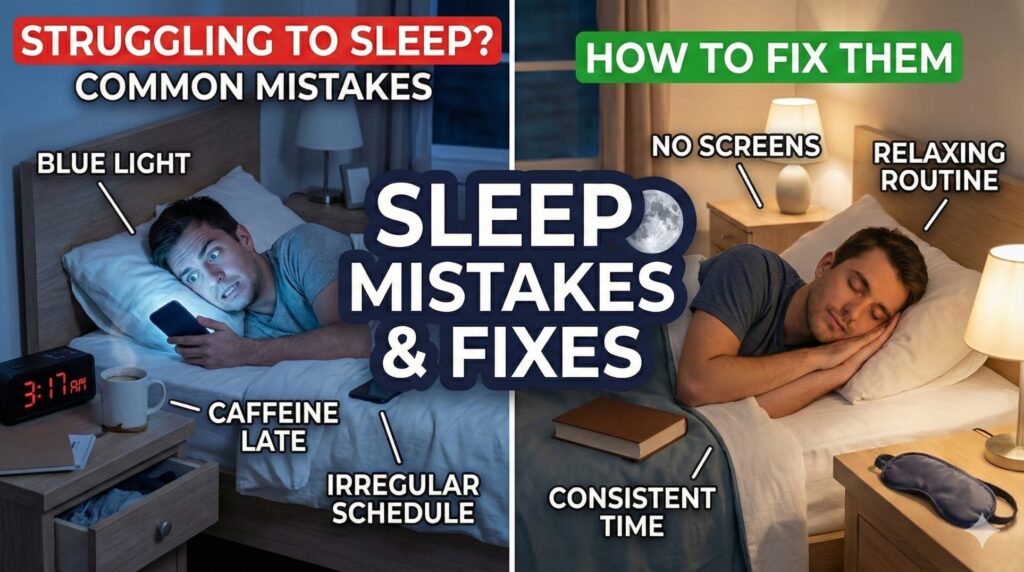
Sleep should be natural. You lie down, close your eyes, and drift off. Yet for many people, sleep feels frustrating, unpredictable, and exhausting. You might toss and turn for hours, wake up multiple times during the night, or get a full eight hours and still feel tired in the morning.
If you’re struggling to sleep, you’re not alone. Modern lifestyles have quietly disrupted our natural sleep rhythms. The good news is that many sleep problems are not caused by serious medical conditions—they are often linked to everyday habits. Small, unnoticed behaviors can interfere with your body’s ability to rest deeply.
This article explores common sleep mistakes and, more importantly, how to fix them. By understanding what might be sabotaging your rest, you can build healthier sleep habits that support long-term energy, mood, and overall well-being.
Why Sleep Matters More Than You Think
Sleep is not just downtime. It is an active biological process that restores and regulates your body.
During sleep:
- Your brain processes memories and information
- Your body repairs tissues
- Hormones are balanced
- Your immune system strengthens
- Stress levels decrease
When sleep suffers, everything else suffers too—focus, mood, metabolism, and resilience. Fixing sleep is often the foundation for improving overall health.
Mistake #1: Inconsistent Sleep Schedule
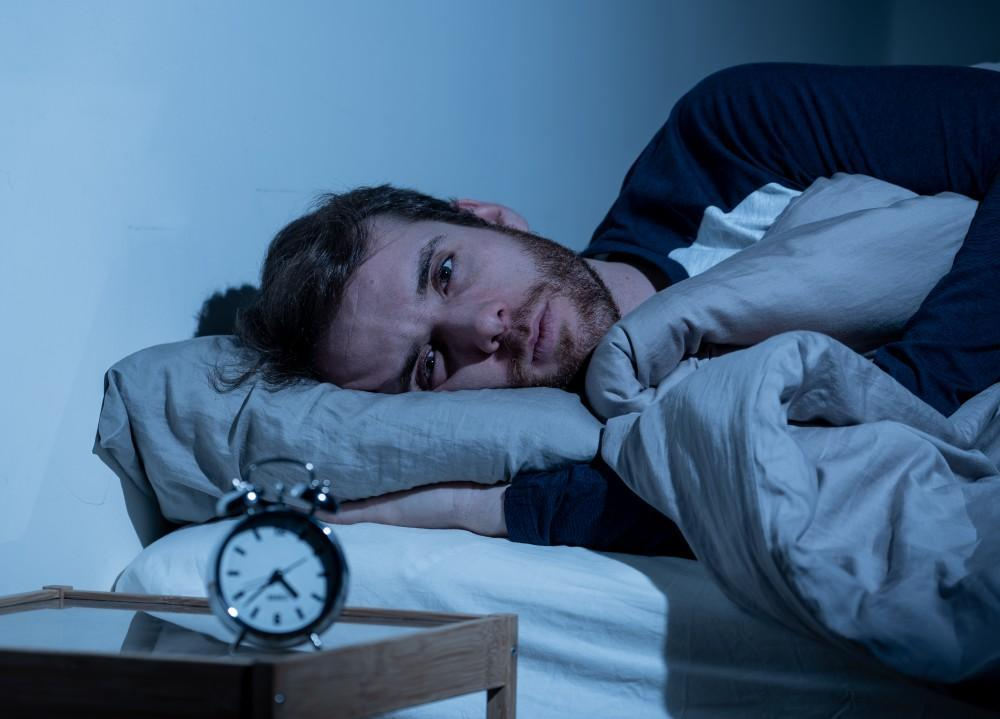
One of the biggest sleep disruptors is going to bed and waking up at different times every day. Staying up late on weekends and trying to “catch up” on sleep confuses your internal clock.
Why This Is a Problem
Your body runs on a circadian rhythm—a natural 24-hour cycle. When you constantly change your sleep timing, your brain struggles to regulate hormones like melatonin (sleep hormone) and cortisol (wake hormone).
How to Fix It
- Choose a consistent bedtime and wake-up time
- Stick to it even on weekends (within 1 hour difference)
- Gradually adjust your schedule if needed
Consistency trains your body to feel sleepy at the right time naturally.
Mistake #2: Using Screens Right Before Bed
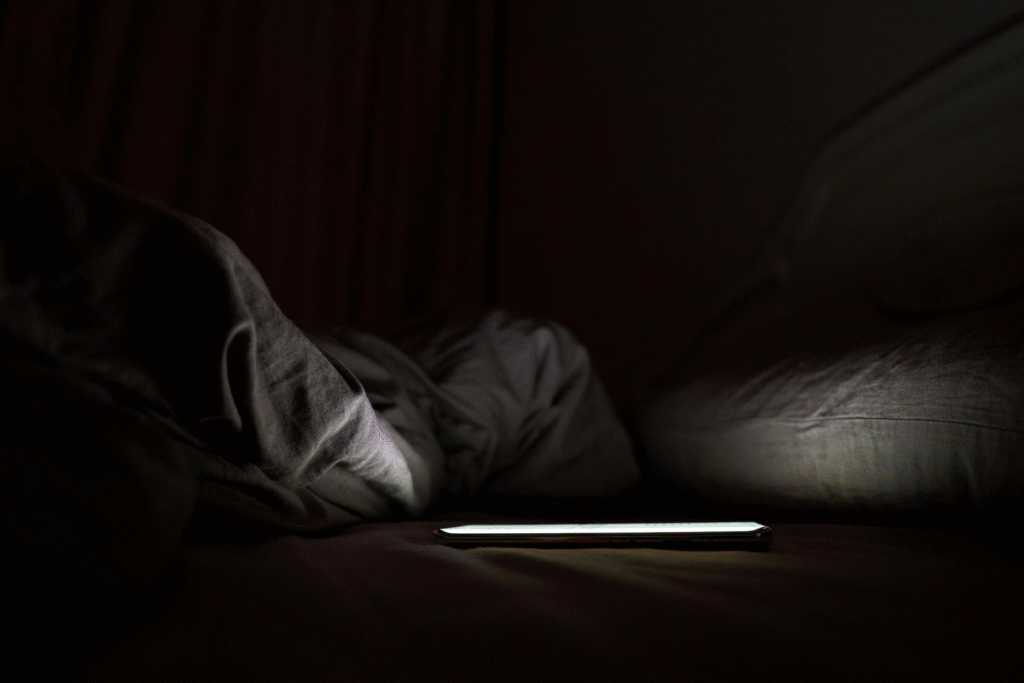
Scrolling through your phone or watching TV may feel relaxing, but it stimulates your brain and exposes you to blue light.
Why It Affects Sleep
Blue light suppresses melatonin production, making it harder to fall asleep. Social media and news also increase mental stimulation.
How to Fix It
- Stop screen use at least 30–60 minutes before bed
- Use warm lighting in the evening
- Replace scrolling with reading or light stretching
Creating a technology boundary before sleep improves sleep onset significantly.
Mistake #3: Drinking Caffeine Too Late
Caffeine stays in your system longer than most people realize—sometimes 6–8 hours or more.
Why It’s Disruptive
Even if you fall asleep, caffeine can reduce deep sleep.
How to Fix It
- Avoid caffeine after early afternoon
- Pay attention to hidden sources (tea, chocolate, soda)
- Notice how your body reacts individually
Reducing caffeine often improves sleep within days.
Mistake #4: Irregular Evening Routine
Your brain needs signals that bedtime is approaching. If your evenings are chaotic or overstimulating, sleep becomes harder.
Why Routine Matters
Predictable habits calm your nervous system and prepare your brain for rest.
How to Fix It
Create a simple wind-down routine:
- Dim the lights
- Take a warm shower
- Practice deep breathing
- Read something calming
Repetition teaches your brain that these activities mean sleep is near.
Mistake #5: Overthinking in Bed
Using bedtime to replay the day or worry about tomorrow keeps your mind alert.
Why This Happens
At night, distractions decrease, so unresolved thoughts become louder.
How to Fix It
- Journal earlier in the evening
- Write down tomorrow’s to-do list
- Practice slow breathing techniques
- If awake for 20+ minutes, get up briefly and return when sleepy
Separating problem-solving time from sleep time reduces mental stimulation.
Mistake #6: Poor Sleep Environment
Your bedroom environment strongly influences sleep quality.
Common Environmental Issues
- Too much light
- Noise disturbances
- Uncomfortable mattress or pillows
- Room too hot or too cold
How to Fix It
- Keep the room dark and cool
- Use blackout curtains
- Reduce noise or use white noise
- Invest in supportive bedding
Small environmental upgrades often bring big improvements.
Mistake #7: Lack of Daytime Movement
Physical activity supports sleep pressure—the natural tiredness you feel at night.
Why Movement Helps
Exercise reduces stress and balances hormones that influence sleep.
How to Fix It
- Add daily walking
- Stretch regularly
- Avoid intense exercise right before bed
Even moderate activity improves sleep depth.
Mistake #8: Eating Heavy Meals Late at Night
Large or spicy meals close to bedtime can cause discomfort and disrupt digestion.
Why It Affects Sleep
Your body stays active, digesting food instead of resting.
How to Fix It
- Eat dinner 2–3 hours before bed
- Keep late snacks light
- Avoid excessive sugar late at night
Balanced timing supports restful sleep.
Mistake #9: Napping Too Long During the Day
Short naps can help, but long or late naps reduce nighttime sleep drive.
How to Fix It
- Limit naps to 20–30 minutes
- Avoid napping late in the afternoon
If nighttime sleep improves, you may not need naps at all.
Mistake #10: Trying Too Hard to Sleep
Ironically, forcing sleep often makes it worse.
Why Pressure Backfires
Sleep requires relaxation. Anxiety about sleep increases alertness.
How to Fix It
- Focus on resting, not sleeping
- Accept occasional poor nights
- Remind yourself that your body knows how to sleep
Reducing pressure improves natural sleep patterns.
Additional Factors That Affect Sleep
Stress and Emotional Health
Chronic stress keeps the nervous system activated. Managing stress during the day supports better sleep at night.
Hydration Balance
Both dehydration and excessive fluid intake before bed can disrupt sleep.
Sunlight Exposure
Morning sunlight helps regulate your circadian rhythm and improve nighttime melatonin production.
Building Healthy Sleep Hygiene
Sleep hygiene refers to habits that support quality sleep.
Healthy sleep hygiene includes:
- Consistent schedule
- Relaxing pre-bed routine
- Comfortable sleep environment
- Limited stimulants
- Stress management
When combined, these habits create powerful long-term improvements.
How Long Does It Take to Improve Sleep?
Sleep habits take time to reset. You may notice changes within one week, but consistent improvement often takes 2–4 weeks.
Be patient. Sleep responds to rhythm and repetition.
When to Seek Professional Help
If you experience:
- Loud snoring or breathing pauses
- Chronic insomnia lasting months
- Severe daytime fatigue
- Restless leg sensations
It may be helpful to consult a healthcare professional.
Final Thoughts: Sleep Is a Skill You Can Improve
If you’re struggling to sleep, it doesn’t mean something is wrong with you. Often, small habits quietly interfere with your body’s natural rhythm.
By fixing common sleep mistakes—like inconsistent schedules, late caffeine, excessive screen time, and poor bedtime routines—you give your body the conditions it needs to rest deeply.
Better sleep doesn’t require perfection. It requires consistency, patience, and small adjustments.
Start with one change tonight.
Over time, those small improvements will add up to calmer nights and more energized mornings.
Frequently Asked Questions (FAQs)
1. Why am I struggling to fall asleep at night?
Difficulty falling asleep is often caused by stress, screen exposure before bed, caffeine intake, or an inconsistent sleep schedule. Improving your bedtime routine and reducing mental stimulation can help your body relax naturally.
2. How long does it take to fix sleep problems?
Many people notice improvements within one to two weeks of consistent sleep habits. However, long-term sleep issues may take several weeks of steady routine changes to fully improve.
3. Is it bad to use my phone before bed?
Yes, using your phone before bed can interfere with sleep. Blue light reduces melatonin production, and scrolling through social media or news can stimulate your brain, making it harder to relax.
4. What is the best bedtime routine for better sleep?
A simple bedtime routine may include dimming the lights, turning off screens, taking a warm shower, reading a book, practicing deep breathing, or listening to calming music. Consistency is key.
5. Does caffeine really affect sleep?
Yes. Caffeine can stay in your system for 6–8 hours or longer. Even if you fall asleep, caffeine may reduce deep sleep quality. Avoiding caffeine in the afternoon can improve sleep significantly.
6. Why do I wake up in the middle of the night?
Night awakenings can be caused by stress, temperature changes, noise, light exposure, or late meals. Improving your sleep environment and reducing evening stimulation can help minimize disruptions.
7. Is napping during the day harmful?
Short naps (20–30 minutes) can be helpful, but long or late naps may reduce nighttime sleep pressure and make it harder to fall asleep at night.
8. How can I calm my mind before bed?
Writing down your thoughts, practicing deep breathing, gentle stretching, or meditation can help calm your nervous system and reduce overthinking at night.
9. What is sleep hygiene?
Sleep hygiene refers to daily habits and environmental factors that support quality sleep, such as maintaining a consistent schedule, creating a dark and quiet bedroom, limiting caffeine, and managing stress.
10. When should I see a doctor about sleep problems?
You should consider seeking medical advice if you experience chronic insomnia, severe daytime fatigue, loud snoring with breathing pauses, or sleep problems that persist for several months despite lifestyle changes.
References
Books and Sleep Science Literature
- Walker, M. (2017). Why We Sleep: Unlocking the Power of Sleep and Dreams. Scribner.
- Breus, M. J. (2016). The Power of When: Discover Your Chronotype and the Best Time to Eat Lunch, Ask for a Raise, Have Sex, Write a Novel, Take Your Meds, and More. Little, Brown Spark.
- Winter, C. (2017). The Sleep Solution: Why Your Sleep Is Broken and How to Fix It. TarcherPerigee.
- Dement, W. C., & Vaughan, C. (1999). The Promise of Sleep. Dell Publishing.
- Hauri, P., & Linde, S. (1996). No More Sleepless Nights. Wiley.
- Perlis, M. L., Jungquist, C., Smith, M. T., & Posner, D. (2005). Cognitive Behavioral Treatment of Insomnia. Springer.
Scientific Journals and Research
- Sleep. Official journal of the Sleep Research Society, featuring research on sleep disorders, sleep quality, and sleep medicine.
- Journal of Clinical Sleep Medicine. Studies on insomnia, sleep hygiene, and treatment interventions.
- Sleep Medicine Reviews. Evidence-based reviews on sleep disorders and sleep improvement strategies.
- Nature and Science of Sleep. Research on sleep physiology, sleep deprivation, and behavioral sleep interventions.
- Journal of Sleep Research. Studies on circadian rhythms, sleep habits, and overall health outcomes.
- The Lancet Neurology. Research on sleep and neurological health.
- Behavioral Sleep Medicine. Studies on cognitive behavioral therapy for insomnia (CBT-I).
Health and Medical Organizations
- National Sleep Foundation
- American Academy of Sleep Medicine (AASM)
- Centers for Disease Control and Prevention (CDC) Sleep and Sleep Disorders Resources
- National Institutes of Health (NIH) Sleep Health Information
- World Health Organization (WHO) Health and Wellbeing Resources
- Harvard Health Publishing – Sleep Resources
Sleep Hygiene and Lifestyle Resources
- Mayo Clinic Sleep Disorders Center
- Johns Hopkins Medicine Sleep Resources
- Cleveland Clinic Sleep Health Resources
- NHS Sleep Advice and Self-Help Guides
- Stanford Center for Sleep Sciences and Medicine
Further Reading
- Why We Sleep by Matthew Walker
- The Sleep Solution by Chris Winter
- The Power of When by Michael Breus
- Research by William C. Dement
Pingback: No Gym? No Problem! Simple Exercises You Can Do at Home
Boostaro is a modern mens wellness formula created to support daily vitality, stamina, and confidence through a practical, natural routine.