
Healthy eating is often misunderstood. For many people, it brings to mind strict meal plans, calorie counting, food rules, and constant guilt. Diet culture has taught us that eating well must be hard, restrictive, and uncomfortable. But the truth is very different.
Healthy eating does not require strict dieting. In fact, the more rigid the rules, the harder it becomes to maintain healthy habits long term. Real, lasting health comes from a flexible, balanced approach that supports both your body and your life.
This article explores how to eat healthily without following extreme diets or cutting out entire food groups. Instead of rules and restrictions, the focus is on simple habits, mindful choices, and sustainable routines that you can follow for years—not just weeks.
Understanding the Problem With Strict Dieting
Strict dieting often promises fast results, but it rarely delivers lasting health. While it may lead to short-term changes, it usually creates long-term problems.
Why Strict Diets Often Fail
- They are hard to maintain
- They create stress around food
- They ignore individual needs
- They can lead to binge–restrict cycles
- They damage your relationship with food
When food becomes something to fear or control, eating stops being a natural, nourishing act. Over time, this mental strain can be more harmful than the foods themselves.
Healthy eating should support your energy, mood, and well-being—not drain them.
What Healthy Eating Really Means
Healthy eating is not about perfection. It’s about balance, consistency, and awareness.
A healthy approach to food:
- Feels sustainable, not exhausting
- Nourishes your body
- Fits into your daily life
- Allows flexibility
- Supports physical and mental health
Instead of asking, “Is this food allowed?” a healthier question is, “How does this food support me?”
The Shift From Dieting to Sustainable Eating
To eat well without strict dieting, you need a mindset shift.
From This → To This
- Restriction → Balance
- Control → Awareness
- Guilt → Neutrality
- Short-term goals → Long-term habits
This shift removes pressure and creates space for better decision-making. When you’re not fighting hunger or cravings, you’re more likely to make choices that truly support your health.
1. Focus on Adding, Not Removing
One of the simplest ways to improve your diet is to add more nourishing foods, rather than removing foods you enjoy.
Examples of What to Add
- More vegetables to meals
- Fruits as snacks or desserts
- Protein for satiety
- Fiber-rich foods for digestion
- Healthy fats for balance
When you add nourishing foods, less nutritious options naturally take up less space—without forcing restriction.
2. Build Balanced Plates
Balanced meals help stabilize blood sugar, reduce cravings, and provide steady energy throughout the day.
What a Balanced Plate Looks Like
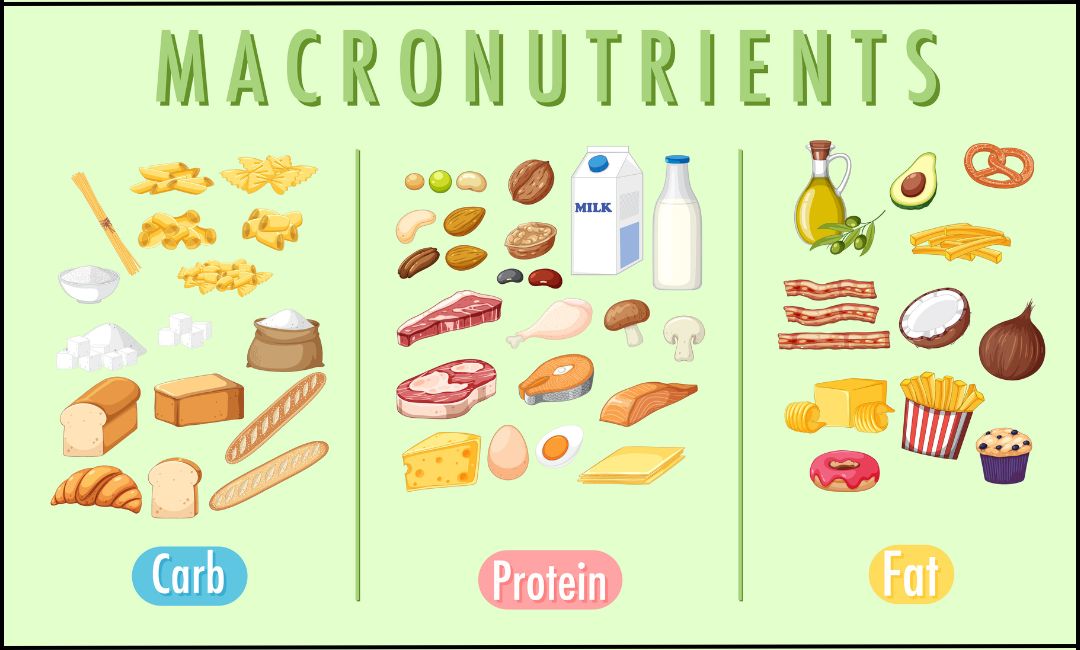
- Protein: eggs, beans, fish, chicken, yogurt
- Carbohydrates: rice, potatoes, whole grains, fruit
- Fats: nuts, seeds, olive oil, avocado
- Fiber: vegetables, legumes, whole foods
You don’t need exact measurements. Visual balance and variety are enough.


4
Balanced eating reduces the urge to snack constantly and supports long-term health.
3. Eat Mindfully, Not Perfectly
Mindful eating is one of the most powerful tools for healthy eating without dieting.
What Is Mindful Eating?
Mindful eating means paying attention to:
- Hunger and fullness cues
- Taste, texture, and satisfaction
- Emotional triggers
- Eating pace
Simple Mindful Eating Habits
- Eat without distractions when possible
- Slow down and chew properly
- Stop eating when comfortably full
- Notice how foods make you feel
Mindful eating helps you enjoy food more while naturally preventing overeating—without rules.
4. Stop Labeling Foods as “Good” or “Bad”
Food does not have moral value. Labeling foods as “bad” often increases cravings and guilt.
Why Food Labels Are Harmful
- They create fear and shame
- They encourage binge cycles
- They disconnect you from body cues
Instead, think in terms of:
- Everyday foods (support health regularly)
- Occasional foods (enjoyed without guilt)
All foods can fit into a healthy lifestyle when eaten with awareness and balance.
5. Eat Regularly to Support Energy
Skipping meals is common in dieting, but it often backfires.
Why Regular Meals Matter
- Prevent extreme hunger
- Reduce overeating later
- Stabilize energy levels
- Support digestion and metabolism
Try to eat at regular intervals and respond to hunger early. Nourishing your body consistently builds trust and balance.
6. Listen to Your Body’s Signals
Your body communicates constantly through hunger, fullness, energy, and cravings.
Learning to Trust Your Body
- Eat when hungry
- Stop when satisfied
- Notice emotional vs physical hunger
- Adjust portions based on activity and mood
Listening to your body takes practice, especially after years of dieting, but it’s one of the most sustainable skills you can develop.
7. Enjoy Food Without Guilt
Pleasure is part of healthy eating. When enjoyment is removed, food becomes stressful—and stress affects health.
Why Enjoyment Matters
- Improves digestion
- Reduces cravings
- Builds a healthy food relationship
- Supports consistency
Enjoying food mindfully allows you to eat less without feeling deprived.
8. Cook More at Home (Without Pressure)
Home cooking gives you more control over ingredients, but it doesn’t need to be complicated.
Simple Home Cooking Tips
- Keep meals simple
- Repeat favorite recipes
- Use basic ingredients
- Don’t aim for perfection
Even cooking a few meals at home each week can significantly improve nutrition without strict rules.
9. Stay Flexible in Social Situations
Healthy eating should fit into your social life, not isolate you from it.
How to Stay Balanced Socially
- Eat normally before events
- Enjoy special meals without guilt
- Return to routine afterward
- Avoid “starting over” mentally
One meal or day does not define your health. Consistency over time matters far more.
10. Focus on Long-Term Patterns, Not Single Meals
Health is not determined by one meal, one snack, or one day.
Ask Yourself:
- What do I eat most of the time?
- How do I feel overall?
- Are my habits sustainable?
Looking at the big picture removes pressure and allows flexibility.
11. Let Go of All-or-Nothing Thinking
All-or-nothing thinking is one of the biggest barriers to healthy eating.
Replace This:
“I already ate something unhealthy, so the day is ruined.”
With This:
“One choice doesn’t define my health.”
Progress happens through imperfect consistency.
12. Support Healthy Eating With Lifestyle Habits
Food doesn’t work alone. Other habits strongly influence eating behavior.
Helpful Supporting Habits
- Getting enough sleep
- Managing stress
- Staying hydrated
- Moving your body regularly
When these areas are supported, healthy eating becomes easier and more natural.
13. Be Patient With the Process
Years of dieting can’t be undone in days. Building a healthy relationship with food takes time.
What Progress Really Looks Like
- Fewer food rules
- Less guilt around eating
- More confidence in choices
- Better energy and mood
Sustainable eating is a long-term investment, not a quick fix.
How This Approach Supports Long-Term Health
Healthy eating without strict dieting:
- Supports mental well-being
- Reduces stress and anxiety
- Improves digestion
- Stabilizes energy levels
- Encourages lifelong consistency
Instead of fighting your body, you work with it.
Final Thoughts: Health Comes From Balance, Not Restriction
Healthy eating doesn’t require strict rules, perfect discipline, or constant control. It requires awareness, flexibility, and consistency.
By focusing on nourishing foods, listening to your body, and letting go of guilt, you create an approach to eating that supports both health and happiness. This simple, sustainable method allows you to enjoy food while caring for your body—now and in the long run.
Healthy eating is not about doing everything right.
It’s about doing what works for you—most of the time.
Frequently Asked Questions (FAQs)
1. What does healthy eating without strict dieting mean?
Healthy eating without strict dieting means focusing on balanced, nourishing food choices without rigid rules, calorie counting, or eliminating entire food groups. It emphasizes flexibility, consistency, and listening to your body.
2. Can I eat my favorite foods and still be healthy?
Yes. Enjoying your favorite foods in moderation is part of a sustainable healthy lifestyle. When no foods are completely restricted, cravings and guilt decrease, making healthy eating easier to maintain long term.
3. Is healthy eating without dieting good for weight management?
This approach can support natural weight balance by improving eating habits, reducing overeating, and stabilizing energy levels. Instead of focusing on weight, it prioritizes overall health and consistency.
4. How do I start eating healthy without following a diet plan?
Start by adding more whole foods to your meals, eating regularly, paying attention to hunger and fullness cues, and reducing stress around food. Small, gradual changes work best.
5. Do I need to count calories to eat healthy?
No. Calorie counting is not necessary for most people. Learning portion awareness, eating balanced meals, and listening to your body are often more effective and sustainable.
6. What foods should I eat more often?
Focus on whole, nutrient-dense foods such as fruits, vegetables, whole grains, lean proteins, healthy fats, and minimally processed foods while still allowing flexibility.
7. How can mindful eating help with healthy habits?
Mindful eating helps you recognize hunger and fullness signals, enjoy food more, reduce overeating, and build a healthier relationship with food without strict rules.
8. Is this approach suitable for busy lifestyles?
Yes. Healthy eating without strict dieting is flexible and adaptable. Simple meals, repetition, and balance make it easier to maintain even with a busy schedule.
9. What if I overeat or make unhealthy choices?
One meal or day does not define your health. The key is to return to your normal routine without guilt and focus on long-term patterns rather than perfection.
10. How long does it take to see benefits from this approach?
Many people notice improved energy, digestion, and mood within a few weeks. Long-term benefits develop as habits become consistent and stress around food decreases.
References
Books and Nutrition Literature
- Satter, E. (2007). Secrets of Feeding a Healthy Family: How to Eat, How to Raise Good Eaters, How to Cook. Kelcy Press.
- Tribole, E., & Resch, E. (2020). Intuitive Eating: A Revolutionary Anti-Diet Approach (4th ed.). St. Martin’s Essentials.
- Freedhoff, Y. (2014). The Diet Fix: Why Diets Fail and How to Make Yours Work. Harmony Books.
- Katz, D. L. (2013). Disease-Proof: The Remarkable Truth About What Makes Us Well. Hudson Street Press.
- Ludwig, D. S. (2016). Always Hungry?: Conquer Cravings, Retrain Your Fat Cells, and Lose Weight Permanently. Grand Central Life & Style.
- Pollan, M. (2008). In Defense of Food: An Eater’s Manifesto. Penguin Books.
Scientific Journals and Research
- The American Journal of Clinical Nutrition. Research on healthy eating patterns, weight management, and long-term nutrition outcomes.
- Nutrition Reviews. Studies on sustainable dietary habits and public health nutrition.
- Journal of Nutrition. Research on dietary quality, nutrient intake, and health outcomes.
- Advances in Nutrition. Evidence-based reviews on healthy eating and lifestyle interventions.
- International Journal of Behavioral Nutrition and Physical Activity. Studies on eating behaviors and long-term habit formation.
- Appetite. Research on mindful eating, hunger regulation, and food choices.
- Obesity Reviews. Studies on weight management and sustainable lifestyle changes.
Health and Nutrition Organizations
- World Health Organization (WHO) Healthy Diet Resources
- Academy of Nutrition and Dietetics
- Centers for Disease Control and Prevention (CDC) Nutrition Resources
- National Institutes of Health (NIH) Nutrition Information
- Harvard T.H. Chan School of Public Health – The Nutrition Source
- Mayo Clinic Healthy Lifestyle and Nutrition Resources
Nutrition and Wellness Resources
- Cleveland Clinic Nutrition and Wellness Resources
- Johns Hopkins Medicine Nutrition Resources
- American Heart Association Healthy Eating Guidelines
- NHS Healthy Eating Guide
- USDA MyPlate Nutrition Resources
Further Reading
- Intuitive Eating by Evelyn Tribole and Elyse Resch
- In Defense of Food by Michael Pollan
- Always Hungry? by David S. Ludwig
- Research by Ellyn Satter
Pingback: No Gym? No Problem! Simple Exercises You Can Do at Home
Pingback: Foods That Improve Brain Power Naturally The Ultimate Guide.