
Good health is often misunderstood as something that requires extreme discipline, expensive products, or dramatic lifestyle overhauls. In reality, lasting health is built quietly, day by day, through small, repeatable actions. These simple daily habits may not feel life-changing in the moment, but over weeks, months, and years, they shape how your body feels, how your mind functions, and how resilient you become.

This article explores practical, realistic habits that anyone can adopt—regardless of age, schedule, or fitness level. The focus isn’t perfection, but progress. When practiced consistently, these habits work together to support physical health, mental well-being, emotional balance, and overall quality of life.
Understanding the Power of Small Habits
Before diving into specific habits, it’s important to understand why small actions matter so much.
Your body responds more to consistency than intensity. A short walk every day is more powerful than an intense workout done once a month. Drinking water regularly beats occasional detoxes. Going to bed at a similar time most nights supports your body more than sleeping in only on weekends.
Small habits:
- Are easier to maintain
- Create less stress and resistance
- Fit naturally into daily life
- Build momentum over time
When habits are simple, they become sustainable—and sustainability is the foundation of long-term health.
1. Starting Your Day With Intention
How you begin your day has a strong influence on your mood, energy, and decision-making. Starting the day in a rush, checking your phone immediately, or skipping basic self-care can put your body into stress mode before the day even begins.
Why This Habit Matters
Morning stress increases cortisol levels, which can affect digestion, focus, and emotional balance throughout the day. A calm start helps regulate your nervous system and improves mental clarity.
Simple Ways to Practice This Habit
- Wake up 10–15 minutes earlier than usual
- Take a few deep breaths before leaving bed
- Stretch gently or sit quietly for a moment
- Avoid checking your phone immediately
- Think about one positive intention for the day
This doesn’t require a long or perfect routine. Even a few mindful minutes can improve your sense of control and calm.
2. Staying Hydrated Throughout the Day
Hydration is one of the most overlooked aspects of health. Your body depends on water for nearly every function—circulation, digestion, temperature regulation, brain function, and detoxification.
Long-Term Benefits of Proper Hydration
- Improved energy levels
- Better digestion and metabolism
- Clearer skin
- Reduced headaches
- Improved focus and mood
How to Build the Habit
- Start your morning with a glass of water
- Carry a reusable water bottle
- Take small sips regularly instead of large amounts at once
- Drink water before meals
Many people mistake dehydration for hunger or fatigue. Making hydration a daily priority can noticeably improve how you feel within weeks.
3. Moving Your Body Every Single Day
Physical activity is not just about weight management—it’s essential for heart health, mental well-being, joint mobility, and longevity. The key is daily movement, not intense exercise.
Why Daily Movement Is More Important Than Occasional Workouts
Your body is designed to move regularly. Sitting for long periods can slow circulation, weaken muscles, and increase stiffness. Daily movement keeps your body functional and adaptable.
Examples of Gentle Daily Movement

- Walking outdoors
- Stretching in the morning or evening
- Light yoga or mobility exercises
- Household activities
- Short activity breaks during work

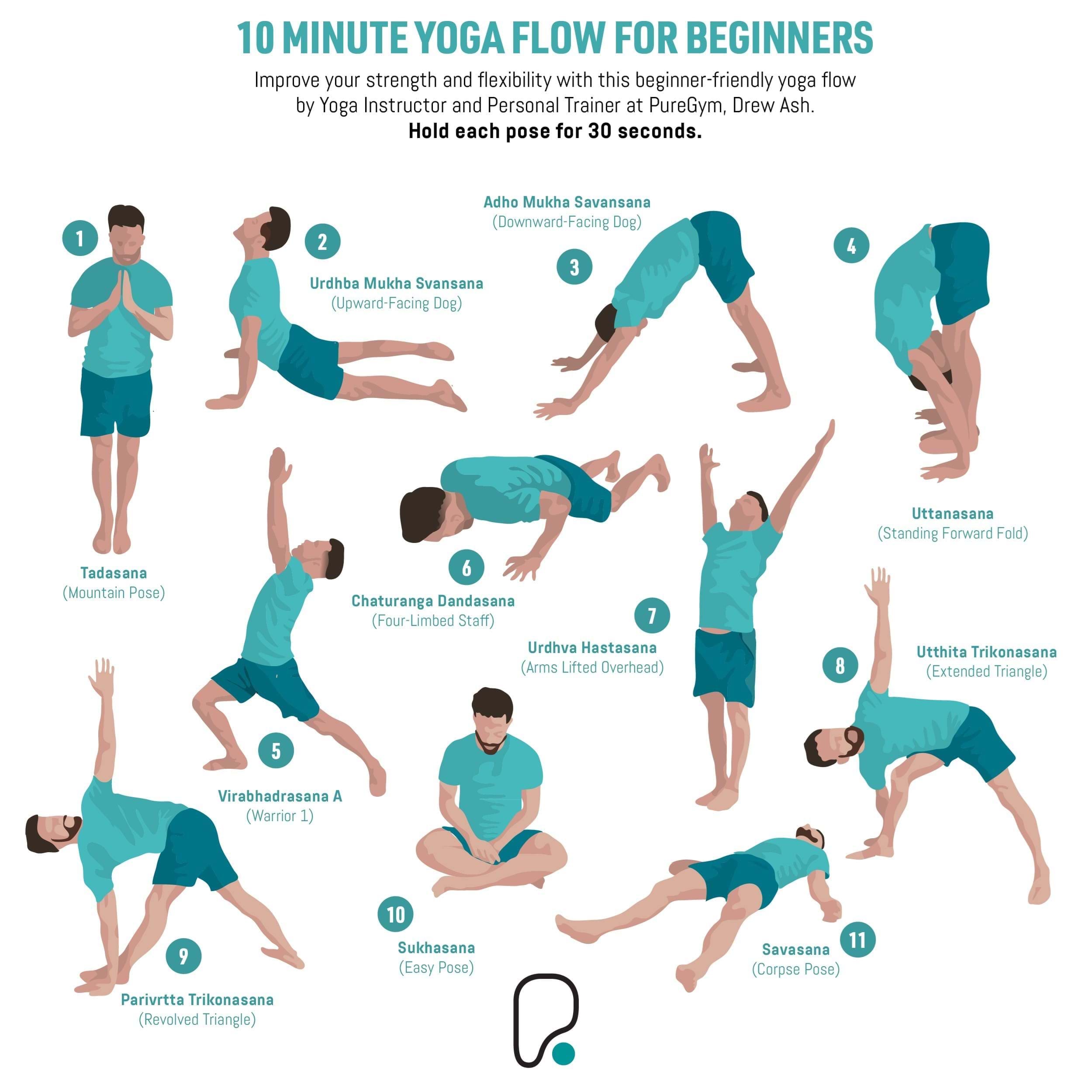
4. You don’t need a gym membership. The goal is to move often, in ways that feel enjoyable and sustainable.
4. Eating Mindfully Instead of Dieting
Diet culture often promotes restriction, guilt, and unrealistic expectations. Mindful eating focuses on awareness, balance, and respect for your body’s needs.
Benefits of Mindful Eating
- Better digestion
- Improved relationship with food
- Reduced overeating
- More satisfaction from meals
- Greater awareness of hunger and fullness
How to Practice Mindful Eating Daily
- Eat slowly without distractions when possible
- Notice flavors, textures, and portions
- Stop eating when comfortably full
- Avoid labeling foods as “good” or “bad”
Healthy eating doesn’t require perfection. Consistency and balance matter far more than occasional indulgences.
5. Prioritizing Quality Sleep
Sleep is the body’s main recovery system. Without enough quality sleep, even the best nutrition and exercise habits lose their effectiveness.
Why Sleep Is Essential for Long-Term Health
- Supports immune function
- Regulates hormones
- Improves memory and focus
- Reduces stress and inflammation
- Supports emotional regulation
Building a Healthy Sleep Routine
- Go to bed and wake up at similar times daily
- Reduce screen use before bedtime
- Keep your sleeping environment calm and dark
- Avoid heavy meals right before sleep
Quality sleep improves almost every aspect of health, making it one of the most powerful daily habits you can develop.
6. Managing Stress in Small, Practical Ways
Stress is unavoidable, but chronic unmanaged stress can lead to physical and emotional health problems. The goal isn’t to eliminate stress, but to manage it effectively.
Long-Term Effects of Chronic Stress
- Weakened immune system
- Digestive issues
- Fatigue and burnout
- Mood disorders
- Increased risk of chronic illness
Simple Daily Stress-Management Habits
- Deep breathing for a few minutes
- Short walks outdoors
- Journaling thoughts or emotions
- Listening to calming music
- Practicing quiet moments without stimulation
Small stress-relief practices done daily can dramatically improve resilience and emotional stability over time.
7. Limiting Screen Time and Digital Overload
Technology is useful, but constant screen exposure can strain your eyes, disturb sleep, and increase mental fatigue.
Why This Habit Matters
Excessive screen time affects posture, sleep cycles, and mental health. Creating boundaries helps restore focus and reduce overstimulation.
Practical Ways to Reduce Screen Strain
- Take short screen breaks every hour
- Avoid screens during meals
- Limit phone use before bed
- Spend time on offline activities
Reducing screen time doesn’t mean eliminating technology—just using it more intentionally.
8. Building Strong Social Connections
Human connection plays a vital role in emotional and physical health. Feeling supported and connected improves longevity and mental well-being.
Benefits of Healthy Social Relationships
- Reduced stress
- Improved mood
- Increased sense of belonging
- Better coping skills
Simple Daily Actions
- Check in with a friend or family member
- Have meaningful conversations
- Practice active listening
- Spend quality time with loved ones
Connection doesn’t require constant interaction—genuine moments matter most.
9. Practicing Gratitude and Positive Reflection
Gratitude may seem simple, but it has a powerful impact on mental health. It helps shift focus away from constant pressure and negativity.
Long-Term Benefits of Gratitude
- Improved emotional resilience
- Better stress management
- Increased life satisfaction
- Healthier mindset
How to Make Gratitude a Daily Habit
- Write down one or two positive moments each day
- Reflect on small wins
- Express appreciation to others
- Acknowledge progress, not just results
Over time, gratitude reshapes how you experience daily life.
10. Being Kind and Patient With Yourself
One of the most important health habits is self-compassion. Progress isn’t linear, and setbacks are part of growth.
Why Self-Compassion Matters
- Reduces stress and burnout
- Encourages consistency
- Supports emotional health
- Prevents unhealthy perfectionism
Instead of criticizing yourself for missed days or mistakes, focus on returning to your habits with patience and understanding.
How These Habits Work Together
Each habit supports the others:
- Better sleep improves energy for movement
- Movement reduces stress and improves sleep
- Mindful eating supports energy and mood
- Stress management improves digestion and immunity
Health is holistic. When small habits work together, their combined effect becomes powerful.
Final Thoughts: Progress Over Perfection
Improving your health doesn’t require radical change. It requires simple, daily actions repeated over time. Start with one habit. Make it manageable. Let it become part of your routine before adding another.
Your health journey is personal. What matters most is consistency, balance, and patience. Over time, these small habits will create a stronger, calmer, healthier version of you—one day at a time.
Frequently Asked Questions (FAQs)
1. What are simple daily habits for better health?
Simple daily habits for better health include drinking enough water, moving your body daily, eating balanced meals, getting quality sleep, managing stress, and maintaining a consistent routine. These small actions, when repeated consistently, improve health over time.
2. How long does it take for healthy habits to show results?
Some benefits, like improved energy or mood, can appear within a few days or weeks. Long-term results such as better immunity, stronger fitness, and improved mental health usually develop over several months of consistent habits.
3. Can small lifestyle changes really improve health?
Yes. Small lifestyle changes are often more effective than drastic ones because they are easier to maintain. Simple habits like daily walking, mindful eating, and proper sleep can significantly improve physical and mental health over time.
4. What is the easiest healthy habit to start with?
Staying hydrated and moving your body daily are two of the easiest habits to begin with. They require minimal effort and offer immediate benefits, such as improved energy, digestion, and focus.
5. How can I stay consistent with healthy daily habits?
Start small, focus on one habit at a time, and attach new habits to existing routines. Consistency matters more than perfection. Tracking progress and being patient with yourself also helps maintain long-term habits.
6. Do I need a strict diet to be healthy?
No. A healthy lifestyle does not require strict dieting. Mindful eating, balanced meals, and moderation are more sustainable and beneficial for long-term health than restrictive diets.
7. How does sleep affect overall health?
Quality sleep supports immune function, mental clarity, emotional balance, and physical recovery. Poor sleep can negatively affect metabolism, mood, and stress levels, making sleep one of the most important daily health habits.
8. How can I manage stress in daily life naturally?
You can manage stress naturally through deep breathing, regular physical activity, journaling, spending time outdoors, limiting screen time, and maintaining healthy boundaries in daily routines.
9. Is daily exercise necessary for good health?
Daily movement is important, but it doesn’t have to be intense exercise. Walking, stretching, or light physical activity is enough to support circulation, joint health, mental well-being, and long-term fitness.
10. What is the most important habit for long-term health?
There is no single most important habit, but consistency is key. Combining small habits like proper sleep, movement, stress management, and balanced nutrition creates the strongest foundation for long-term health.
References
Books and Health Literature
- Clear, J. (2018). Atomic Habits: An Easy & Proven Way to Build Good Habits and Break Bad Ones. Avery.
- Duhigg, C. (2014). The Power of Habit: Why We Do What We Do in Life and Business. Random House.
- Ratey, J. J. (2008). Spark: The Revolutionary New Science of Exercise and the Brain. Little, Brown Spark.
- Walker, M. (2017). Why We Sleep: Unlocking the Power of Sleep and Dreams. Scribner.
- McGonigal, K. (2012). The Willpower Instinct: How Self-Control Works, Why It Matters, and What You Can Do to Get More of It. Avery.
- Katz, D. L. (2013). Disease-Proof: The Remarkable Truth About What Makes Us Well. Hudson Street Press.
Scientific Journals and Research
- The American Journal of Clinical Nutrition. Research on healthy eating patterns and disease prevention.
- Journal of Behavioral Medicine. Studies on habit formation, behavior change, and long-term health outcomes.
- Medicine & Science in Sports & Exercise. Research on physical activity and overall health improvement.
- Sleep. Studies on sleep quality, recovery, and health outcomes.
- International Journal of Behavioral Nutrition and Physical Activity. Research on healthy lifestyle habits and behavior maintenance.
- The Lancet Public Health. Studies on preventive health measures and healthy aging.
- Journal of Positive Psychology. Research on gratitude, mindfulness, and emotional wellbeing.
- Nutrients. Studies on hydration, nutrition, and energy levels.
Health and Wellness Organizations
- World Health Organization (WHO) Healthy Living Resources
- Centers for Disease Control and Prevention (CDC) Healthy Living Resources
- National Institutes of Health (NIH) Health Information Resources
- Harvard Health Publishing
- Mayo Clinic Healthy Lifestyle Resources
- American Psychological Association (APA) Mental Health Resources
Nutrition, Exercise, and Sleep Resources
- Academy of Nutrition and Dietetics
- American College of Sports Medicine (ACSM)
- National Sleep Foundation
- Johns Hopkins Medicine Wellness and Prevention Resources
- Cleveland Clinic Health Essentials
Further Reading
- Atomic Habits by James Clear
- The Power of Habit by Charles Duhigg
- Why We Sleep by Matthew Walker
- Spark by John J. Ratey
- The Willpower Instinct by Kelly McGonigal