
Change doesn’t happen overnight. But it does happen daily.
Most people overestimate what they can achieve in a week and underestimate what they can achieve in six months. The secret isn’t extreme motivation, dramatic overhauls, or 4 a.m. wake-up calls. The secret is small, science-backed habits practiced consistently.
Research in psychology, neuroscience, and behavioral science shows that repeated daily actions literally rewire your brain. Through a process called neuroplasticity, your brain adapts to what you repeatedly do. That means your habits become your identity.

If you commit to the 10 habits below for six months, you won’t just feel different — you’ll become different.
Let’s begin.
1. Exercise for at Least 30 Minutes a Day

If there were a miracle pill for productivity, mood, and longevity, it would be exercise.
The Science
Regular physical activity:
- Boosts dopamine and serotonin (improving mood)
- Reduces cortisol (stress hormone)
- Enhances memory and cognitive function
- Improves sleep quality
- Lowers risk of chronic disease
Studies consistently show that 30 minutes of moderate exercise per day improves mental clarity and emotional resilience.
Why It Transforms You in 6 Months
In six months of consistent training:
- Your body composition changes
- Your energy levels increase
- Your discipline strengthens
- Your confidence grows
Exercise isn’t just physical training. It’s mental conditioning.


How to Start
- Walk 30 minutes daily
- Do bodyweight exercises at home
- Join a gym or fitness class
- Follow structured workout plans
Consistency matters more than intensity.
2. Get 7–9 Hours of Quality Sleep
Sleep is not laziness. It’s biological maintenance.
The Science
During sleep:
- Your brain consolidates memory
- Your body repairs tissue
- Hormones regulate hunger and stress
- Toxins are cleared from the brain
Chronic sleep deprivation impairs decision-making, emotional regulation, and productivity.


Why It Transforms You
Better sleep leads to:
- Sharper focus
- Better emotional control
- Stronger immune system
- Improved workout recovery
Six months of quality sleep can dramatically enhance every other habit on this list.
How to Improve Sleep
- Go to bed at the same time daily
- Avoid screens 1 hour before bed
- Keep your room cool and dark
- Avoid caffeine late in the day
Sleep is the foundation habit.

3. Practice Daily Gratitude

The Science
Studies show gratitude:
- Increases dopamine and serotonin
- Reduces anxiety
- Improves sleep
- Strengthens relationships
Your brain has a negativity bias — it naturally scans for threats. Gratitude retrains it to notice positives.
Why It Transforms You
In six months:
- Your relationships improve
- You become less reactive
- You complain less
- You feel more content


How to Practice
Each morning or night, write:
- 3 things you’re grateful for
- 1 small win from the day
- 1 person you appreciate
Simple. Powerful.
Gratitude changes how your brain interprets reality.
4. Read 10–20 Pages Every Day
Reading compounds knowledge.
The Science
Reading:
- Increases focus span
- Strengthens neural connections
- Improves vocabulary and communication
- Enhances empathy


The 6-Month Effect
20 pages per day equals:
- ~600 pages per month
- ~3,600 pages in 6 months
- Around 12–15 books completed
That’s transformational knowledge.
What to Read
- Personal development
- Finance
- Biographies
- Psychology
- Skill-based books
Your future self is built from what you consume.

5. Eat Mostly Whole Foods

Food affects mood, energy, and clarity.
The Science
Whole foods:
- Stabilize blood sugar
- Improve gut health
- Reduce inflammation
- Support brain function
Highly processed foods spike insulin and cause energy crashes.
The 6-Month Outcome
- Sustainable weight management
- Better energy stability
- Reduced cravings
- Improved skin and digestion

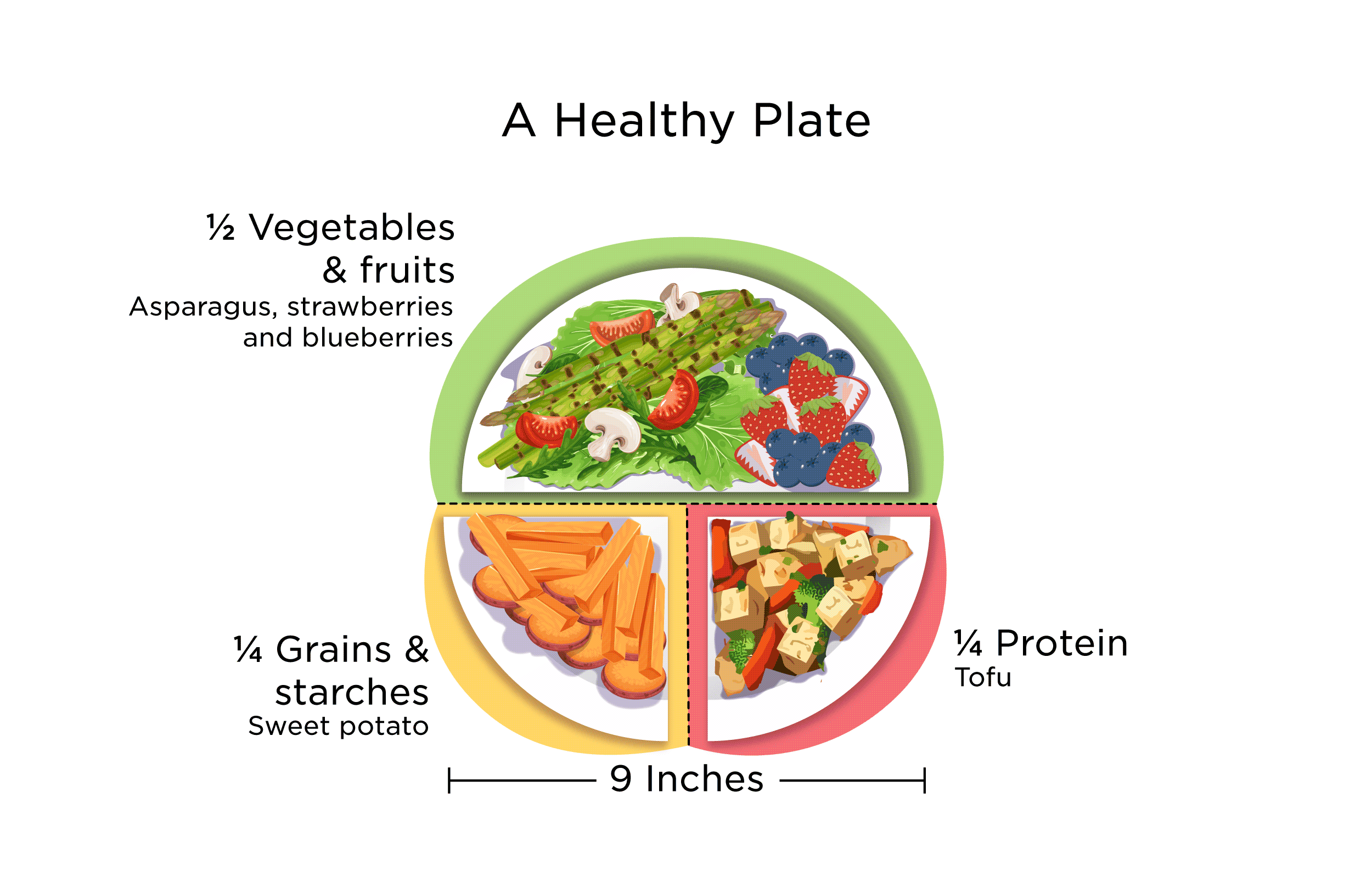
Simple Rule
Eat:
- Lean protein
- Vegetables
- Fruits
- Healthy fats
- Whole grains
Reduce:
- Ultra-processed snacks
- Sugary drinks
- Fast food
6. Meditate 5–10 Minutes Daily
Meditation strengthens your attention muscle.
The Science
Meditation:
- Lowers stress levels
- Shrinks the amygdala (fear center)
- Strengthens the prefrontal cortex (decision-making)
- Improves emotional regulation


After 6 Months
- You experience less anxiety
- You respond instead of react
- You feel calmer under pressure
- You focus more deeply
How to Start
- Sit quietly for 5 minutes
- Focus on your breath
- When distracted, gently return to breathing
Simple practice. Profound results.

7. Set 3 Daily Priorities

Busyness isn’t productivity.
The Science
Decision fatigue drains mental energy. When you define priorities, you conserve cognitive resources.
The 6-Month Effect
- Clear momentum
- Greater focus
- Less overwhelm
- More meaningful progress
Practice
Each morning:
- Write 3 non-negotiable tasks
- Complete them before minor tasks
- Avoid multitasking
Clarity creates power.

8. Limit Social Media Consumption
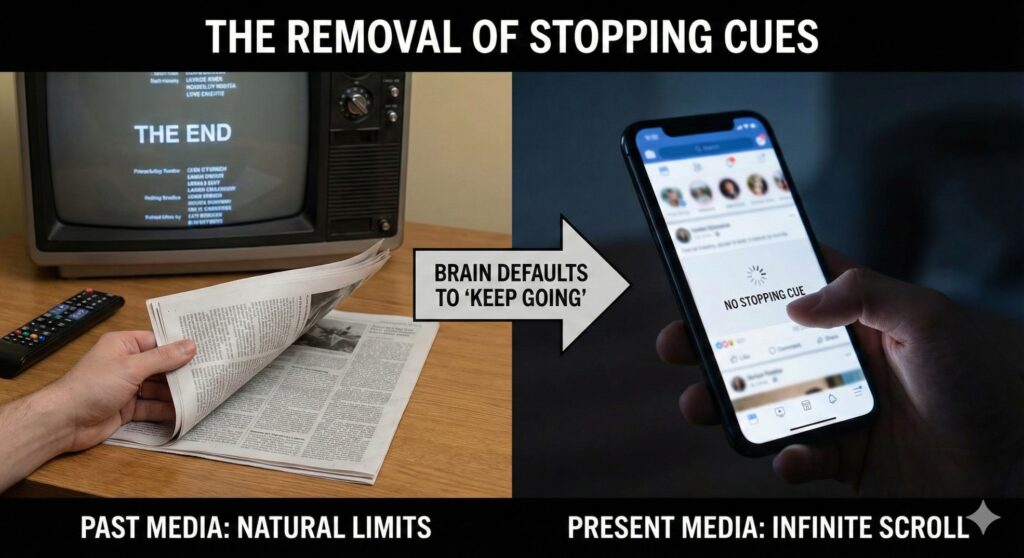
Your attention is your most valuable asset.
The Science
- Excessive social media:
- Encourages comparison
- Increases anxiety
- Reduces focus span
- Triggers dopamine addiction loops
In 6 Months
- More time for growth
- Increased focus
- Reduced anxiety
- Better self-esteem

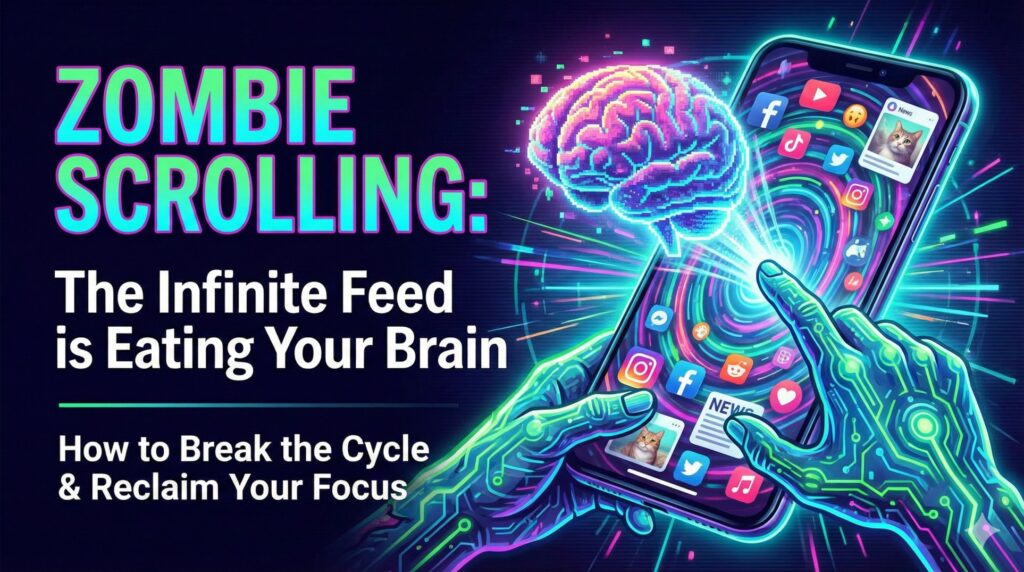
Strategy
- Set daily limits
- Remove non-essential apps
- No phone first hour after waking
Guard your attention.
9. Strengthen One Relationship Daily
Human connection predicts happiness more than money.
The Science
Strong relationships:
- Enhance life satisfaction
- Increase longevity
- Lower stress
- Improve mental health


The 6-Month Result
- Expanded opportunities
- Deeper trust
- Better emotional support
Daily Actions
- Send a thoughtful message
- Call a family member
- Express appreciation
- Listen actively
Relationships compound like investments.
10. Reflect for 5 Minutes Every Night
Reflection accelerates growth.
The Science
Self-reflection:
- Increases goal achievement
- Improves self-awareness
- Strengthens learning retention


6-Month Outcome
- Faster skill improvement
- Clearer identity
- Better decisions
- Continuous progress
Night Questions
- What went well today?
- What could I improve?
- What did I learn?
- What’s tomorrow’s focus?
Without reflection, experience doesn’t become wisdom.
The Compound Effect of 6 Months
Individually, each habit seems small.
Together, they:
- Improve your physical health
- Strengthen mental clarity
- Increase emotional stability
- Boost productivity
- Deepen relationships
- Build confidence
Six months is roughly 180 days.
If you practice these habits for 180 days, you don’t just “improve.”
You evolve.
How to Implement Without Overwhelm
Don’t start all 10 at once.
Instead:
- Pick 2 habits for Month 1
- Add 2 more in Month 2
- Stack gradually
- Track daily progress
- Focus on consistency, not perfection
Missing one day doesn’t ruin transformation. Quitting does.
Final Thoughts
You don’t need extreme discipline.
You need sustainable consistency.
Transformation isn’t about motivation. It’s about identity.
Each time you:
- Exercise
- Read
- Meditate
- Sleep properly
- Eat well
- Reflect
You are casting votes for the person you want to become.
Six months from now, you will either:
- Wish you had started
or - Be grateful that you did
The choice is daily.
Start today.
Frequently Asked Questions (FAQ)
1. How long does it take to see results from daily habits?
You may notice small improvements (better mood, focus, energy) within 2–3 weeks. However, significant transformation typically happens after 3–6 months of consistent practice. Habits compound over time.
2. Do I need to start all 10 habits at once?
No. It’s better to start with 1–2 habits and build momentum. Once they feel automatic (usually 3–4 weeks), stack another habit. Consistency beats intensity.
3. What if I miss a day?
Missing one day won’t ruin progress. The key is avoiding the “all-or-nothing” mindset. Follow the rule: never miss twice. Get back on track immediately.
4. Which habit should I start with first?
Start with a “keystone habit” — one that positively affects other areas. Exercise, sleep, or daily planning are great starting points because they improve energy and focus.
5. Are these habits backed by real science?
Yes. Research in neuroscience, behavioral psychology, and health science supports practices like exercise, gratitude journaling, meditation, quality sleep, and goal-setting as drivers of long-term improvement.
6. Can these habits improve mental health?
Absolutely. Regular exercise, meditation, gratitude, strong relationships, and limiting social media have been shown to reduce anxiety, improve mood, and strengthen emotional resilience.
7. How do I stay motivated for six months?
Instead of relying on motivation, build systems:
- Track daily progress
- Set reminders
- Habit stack (attach new habits to existing ones)
- Focus on identity change, not short-term results
Discipline grows through repetition.
8. What’s the biggest mistake people make when building habits?
Trying to change everything at once. This leads to burnout. Sustainable progress comes from small, repeatable actions done daily.
9. Can busy professionals follow these habits?
Yes. Most habits take 5–30 minutes per day. The key is intentional scheduling and reducing time spent on distractions like excessive social media.
10. What happens after six months?
If practiced consistently, these habits become part of your identity. At that point, you won’t rely on willpower — they’ll feel automatic. And that’s when real long-term transformation begins.